Sinningia nivalis - Welsh Grown
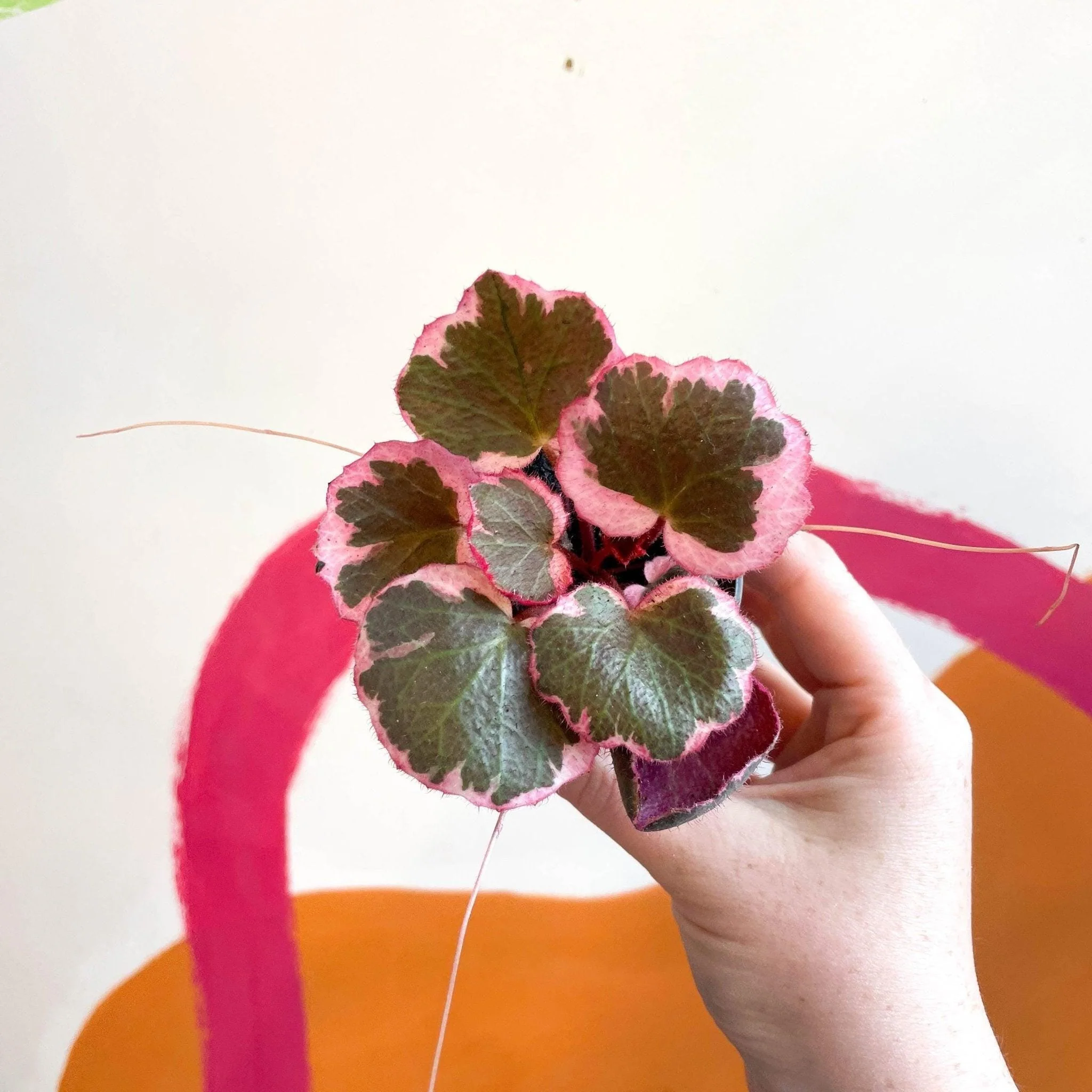
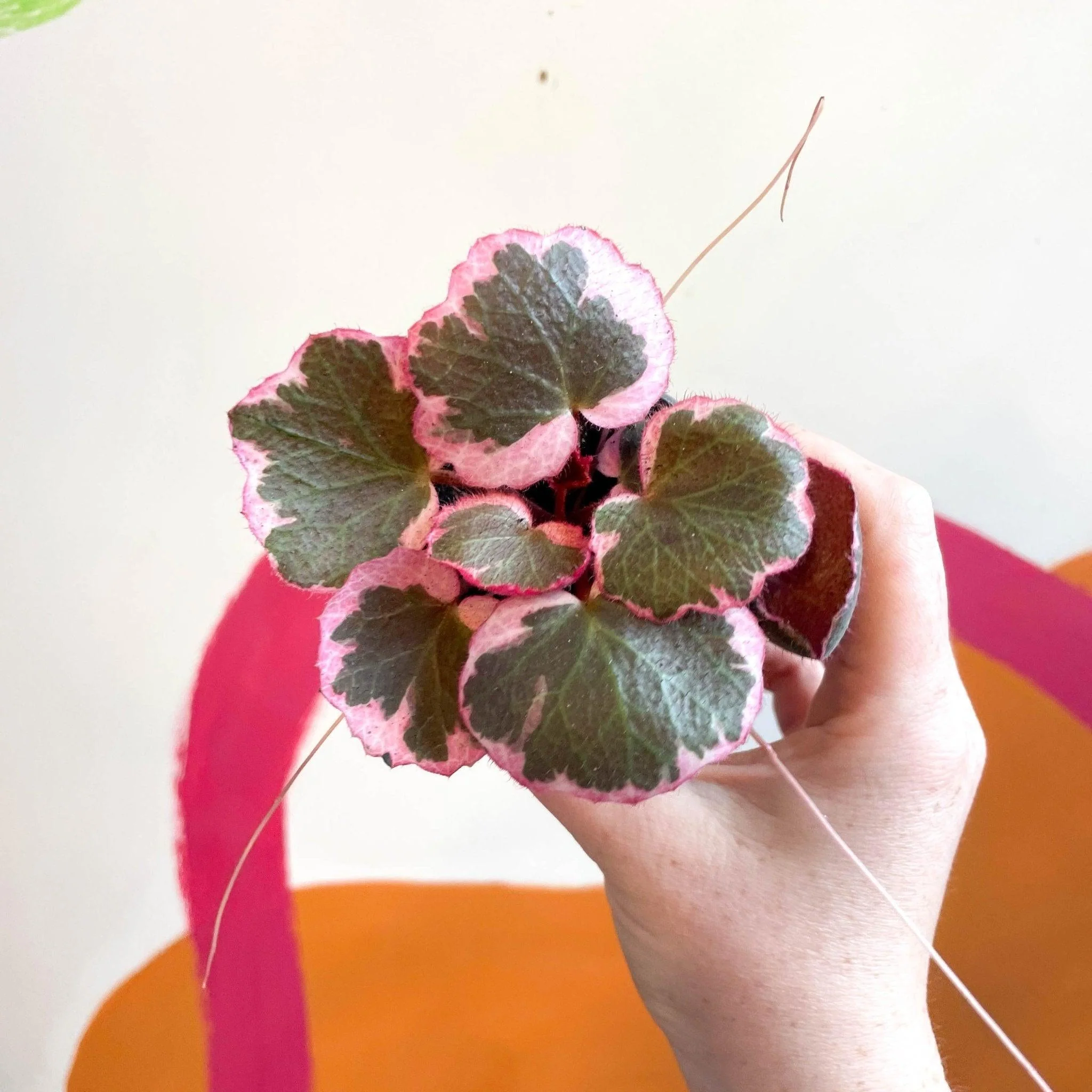
A delightful miniature houseplant, Sinningia nivalis is loved for its soft, velvety foliage and elegant white tubular flowers. The blooms appear on slender stems above the plant’s compact rosette of leaves, creating a delicate display that contrasts beautifully with the fuzzy green foliage. Despite its refined appearance, this species is surprisingly easy to grow when given warm temperatures and bright, indirect light.
Like many plants in the Gesneriad family, Sinningia nivalis grows from a small underground tuber, allowing it to store energy and return with fresh growth after resting periods. Its compact size makes it perfect for windowsills, plant shelves, and terrariums where humidity remains consistently higher.
Scientific Name
Sinningia nivalis (snowy sinningia)
The genus Sinningia is named after Wilhelm Sinning, a 19th-century German horticulturist who worked at the University of Bonn Botanical Garden. Many species in this genus were previously classified in other Gesneriad genera before being reorganised as botanical understanding improved.
Common Name
Snowy Sinningia
Origin
Native to Brazil, where it grows in warm, humid environments, often on rocky outcrops or in forested areas.
Light
Prefers bright, indirect light. Gentle morning or late afternoon sun can be beneficial, but avoid strong midday sunlight.
Water
Water when the top of the soil begins to dry. Keep the soil lightly moist during the growing season, but never waterlog the compost. Reduce watering if the plant enters a resting period.
Humidity
Enjoys moderate to high humidity. It grows particularly well in terrariums or grouped with other plants where humidity levels are naturally higher.
Soil
Use a light, well-draining mix. A blend containing coco coir, perlite, and fine bark works well to keep the roots aerated while holding some moisture.
Food
Feed every 3–4 weeks during spring and summer with a balanced liquid fertiliser at half strength. Stop feeding during dormancy.
Temperature
Prefers temperatures between 18–26°C. Avoid temperatures below 12°C and keep away from cold drafts.
Pet-safe
Not known to be toxic, but it is still best to keep houseplants out of reach of curious pets.
Sprouts Top Tips
Because it grows from a tuber, the plant may occasionally die back above the soil. If this happens, keep the tuber slightly dry and warm – new growth will often reappear in spring.
Extras
Its compact growth and love of humidity make it a great candidate for terrariums.
Did You Know?
Sinningia species are closely related to African violets (Saintpaulia), and both belong to the tropical Gesneriad plant family.
Product Information
Product Information
Shipping & Returns
Shipping & Returns
Description
A delightful miniature houseplant, Sinningia nivalis is loved for its soft, velvety foliage and elegant white tubular flowers. The blooms appear on slender stems above the plant’s compact rosette of leaves, creating a delicate display that contrasts beautifully with the fuzzy green foliage. Despite its refined appearance, this species is surprisingly easy to grow when given warm temperatures and bright, indirect light.
Like many plants in the Gesneriad family, Sinningia nivalis grows from a small underground tuber, allowing it to store energy and return with fresh growth after resting periods. Its compact size makes it perfect for windowsills, plant shelves, and terrariums where humidity remains consistently higher.
Scientific Name
Sinningia nivalis (snowy sinningia)
The genus Sinningia is named after Wilhelm Sinning, a 19th-century German horticulturist who worked at the University of Bonn Botanical Garden. Many species in this genus were previously classified in other Gesneriad genera before being reorganised as botanical understanding improved.
Common Name
Snowy Sinningia
Origin
Native to Brazil, where it grows in warm, humid environments, often on rocky outcrops or in forested areas.
Light
Prefers bright, indirect light. Gentle morning or late afternoon sun can be beneficial, but avoid strong midday sunlight.
Water
Water when the top of the soil begins to dry. Keep the soil lightly moist during the growing season, but never waterlog the compost. Reduce watering if the plant enters a resting period.
Humidity
Enjoys moderate to high humidity. It grows particularly well in terrariums or grouped with other plants where humidity levels are naturally higher.
Soil
Use a light, well-draining mix. A blend containing coco coir, perlite, and fine bark works well to keep the roots aerated while holding some moisture.
Food
Feed every 3–4 weeks during spring and summer with a balanced liquid fertiliser at half strength. Stop feeding during dormancy.
Temperature
Prefers temperatures between 18–26°C. Avoid temperatures below 12°C and keep away from cold drafts.
Pet-safe
Not known to be toxic, but it is still best to keep houseplants out of reach of curious pets.
Sprouts Top Tips
Because it grows from a tuber, the plant may occasionally die back above the soil. If this happens, keep the tuber slightly dry and warm – new growth will often reappear in spring.
Extras
Its compact growth and love of humidity make it a great candidate for terrariums.
Did You Know?
Sinningia species are closely related to African violets (Saintpaulia), and both belong to the tropical Gesneriad plant family.