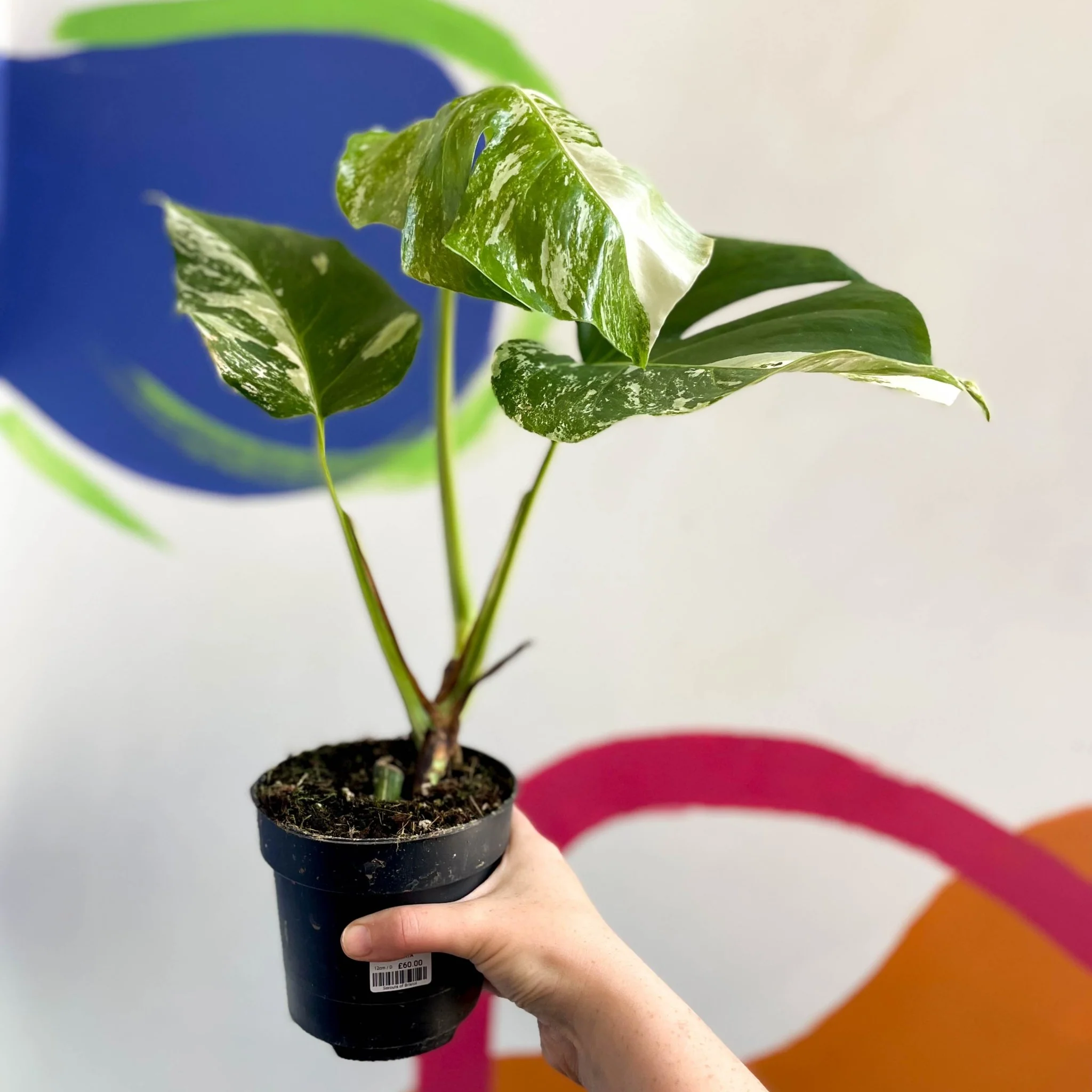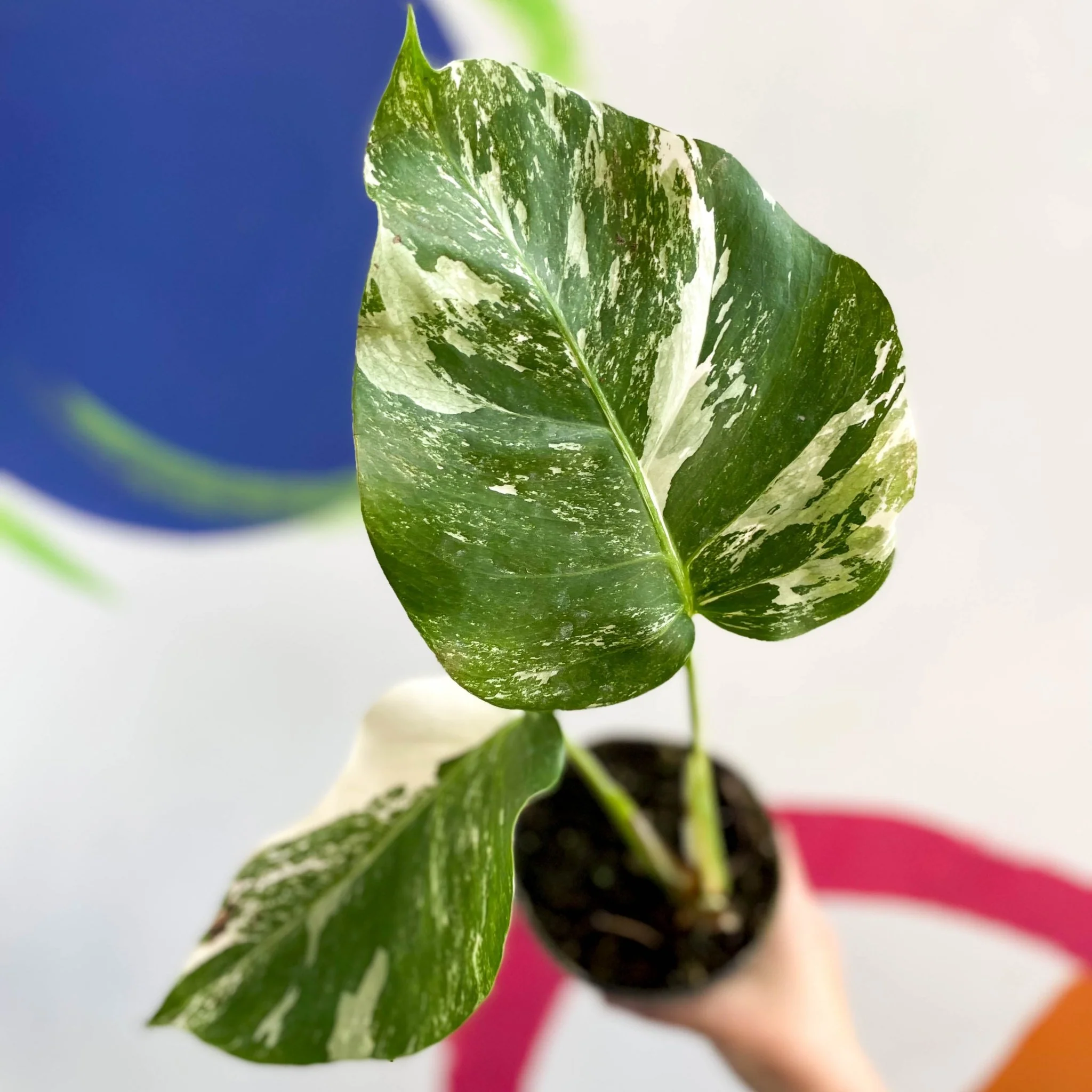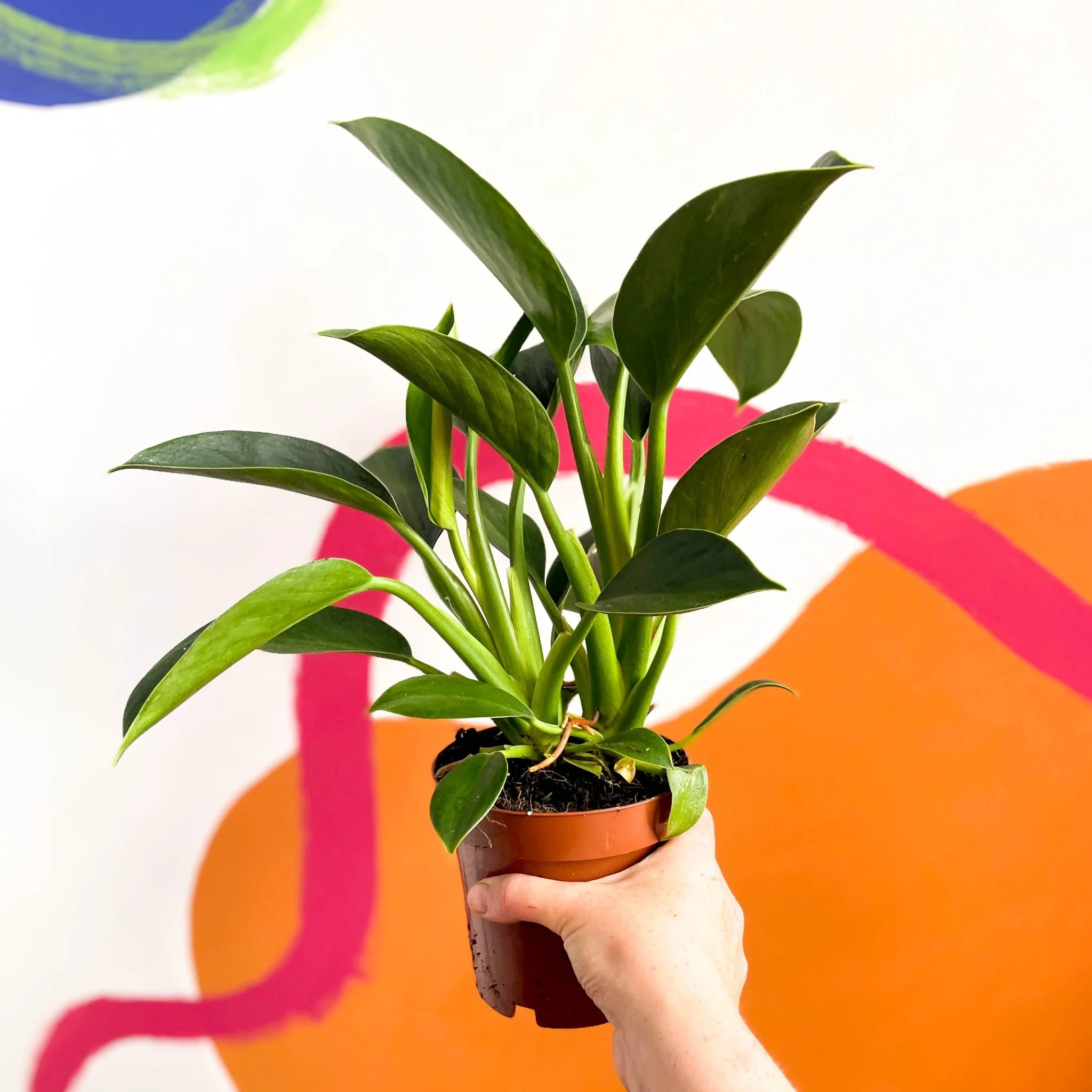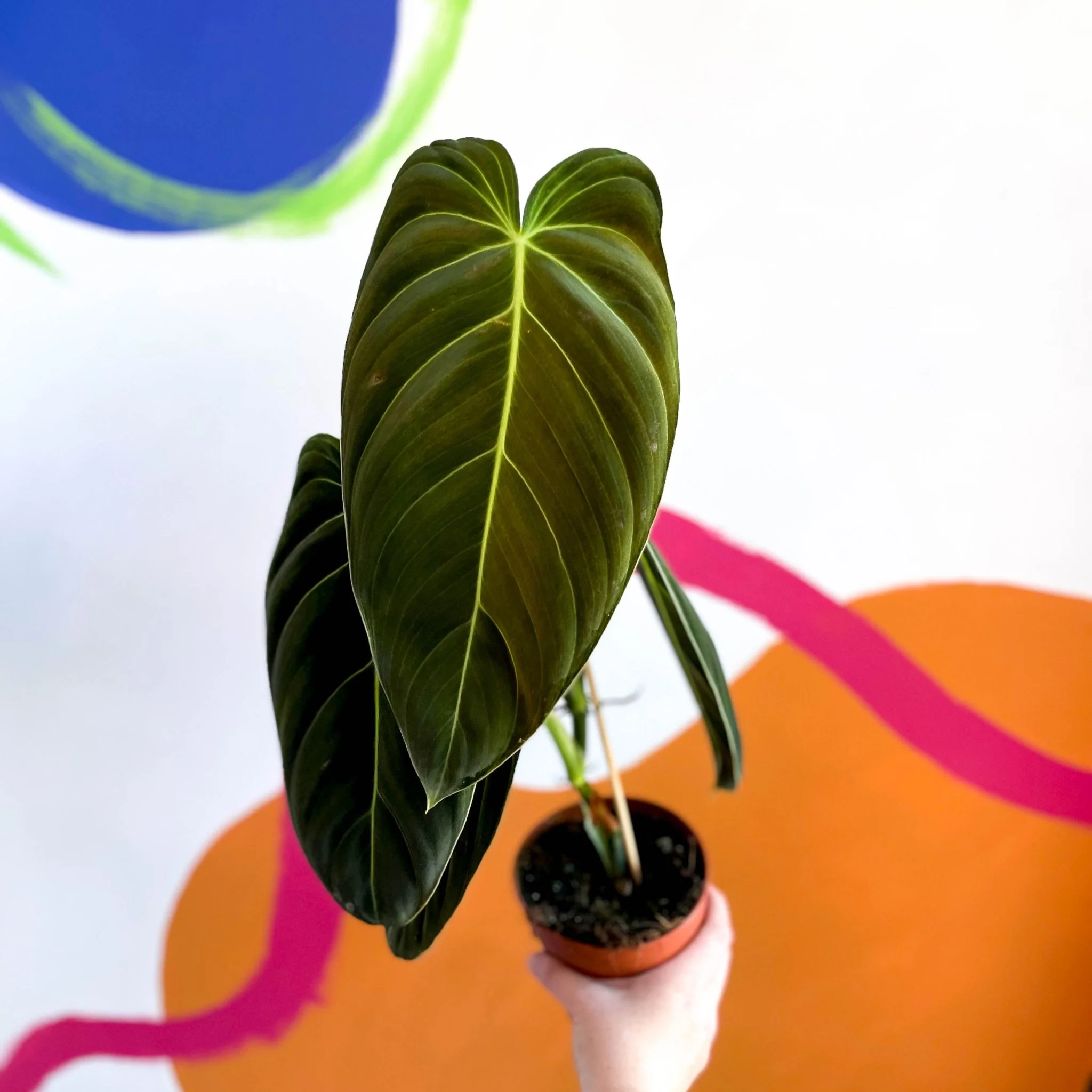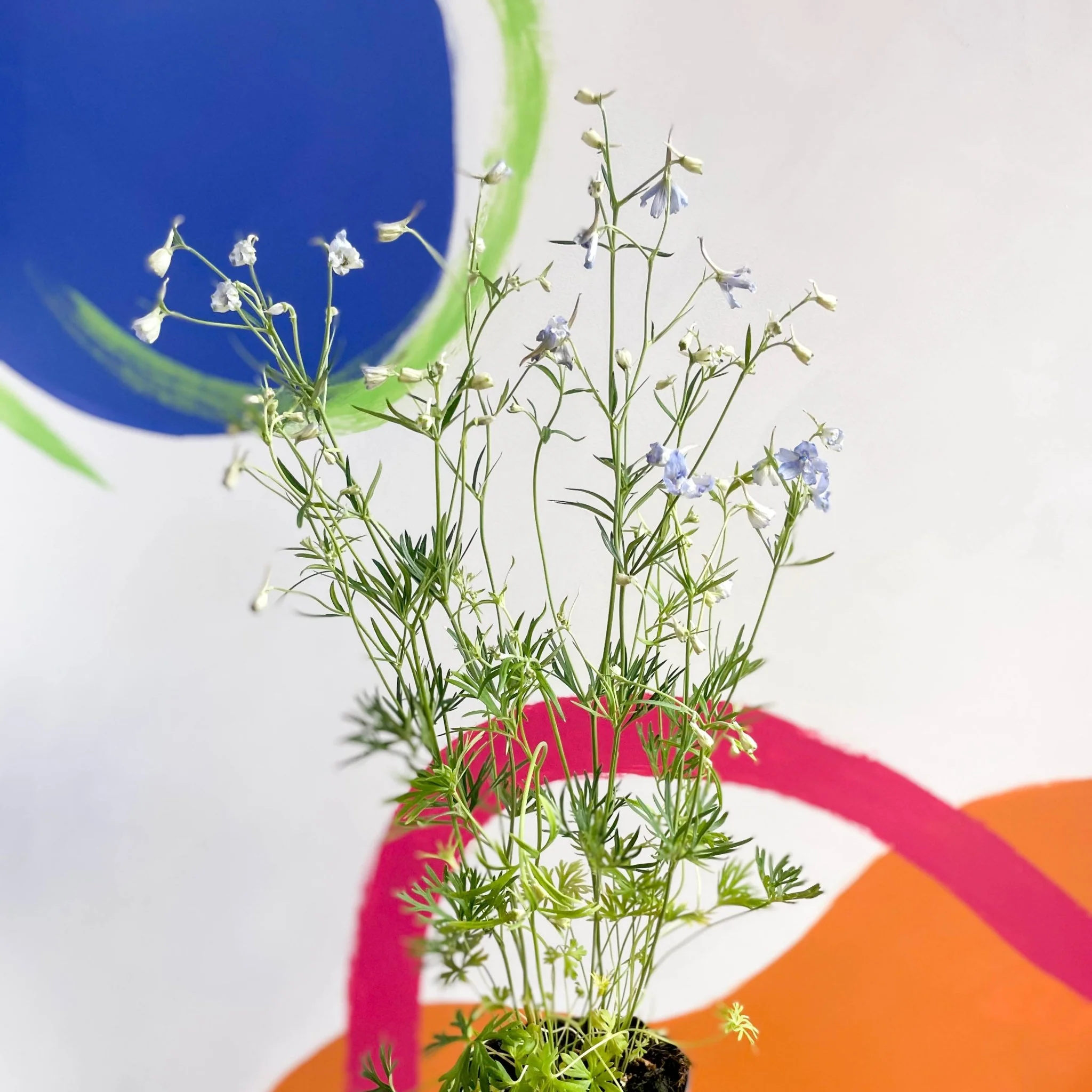
Delphinium grandiflorum - Siberian Larkspur
|
Perennial |
Flower: tall stems/ spikes |
Flowers June to September |
Scientific Name
Delphinium grandiflorum
Common Name
Siberian Larkspur
Origin
Native to areas from Southern and Central Europe to Siberia
Pruning Tips
Cutting down faded flower spikes will encourage a second blooming in September.
Wildlife Value
Pollinators, especially bees
Positioning
Full sun
Water
Ideally, your larkspur should sit in moist but not soggy soil; make sure they don't dry out in hot weather
Soil
Moist but well-draining.
Food
Will benefit from feeding every two weeks; look out for fertilisers suitable for flowering plants (high in potash) and this will encourage bigger and healthier blooms!
Pet-safe?
No, this plant is toxic to dogs, cats and horses, so make sure your furry friends don't nibble at it!
Sprouts Top Tips
Make sure to protect your plants from slugs and snails, especially when they first start to grow in Spring; keeping the soil moist in dry weather will reduce its risk of developing powdery mildew as well.
Original: $9.39
-65%$9.39
$3.29Product Information
Product Information
Shipping & Returns
Shipping & Returns
Description
|
Perennial |
Flower: tall stems/ spikes |
Flowers June to September |
Scientific Name
Delphinium grandiflorum
Common Name
Siberian Larkspur
Origin
Native to areas from Southern and Central Europe to Siberia
Pruning Tips
Cutting down faded flower spikes will encourage a second blooming in September.
Wildlife Value
Pollinators, especially bees
Positioning
Full sun
Water
Ideally, your larkspur should sit in moist but not soggy soil; make sure they don't dry out in hot weather
Soil
Moist but well-draining.
Food
Will benefit from feeding every two weeks; look out for fertilisers suitable for flowering plants (high in potash) and this will encourage bigger and healthier blooms!
Pet-safe?
No, this plant is toxic to dogs, cats and horses, so make sure your furry friends don't nibble at it!
Sprouts Top Tips
Make sure to protect your plants from slugs and snails, especially when they first start to grow in Spring; keeping the soil moist in dry weather will reduce its risk of developing powdery mildew as well.