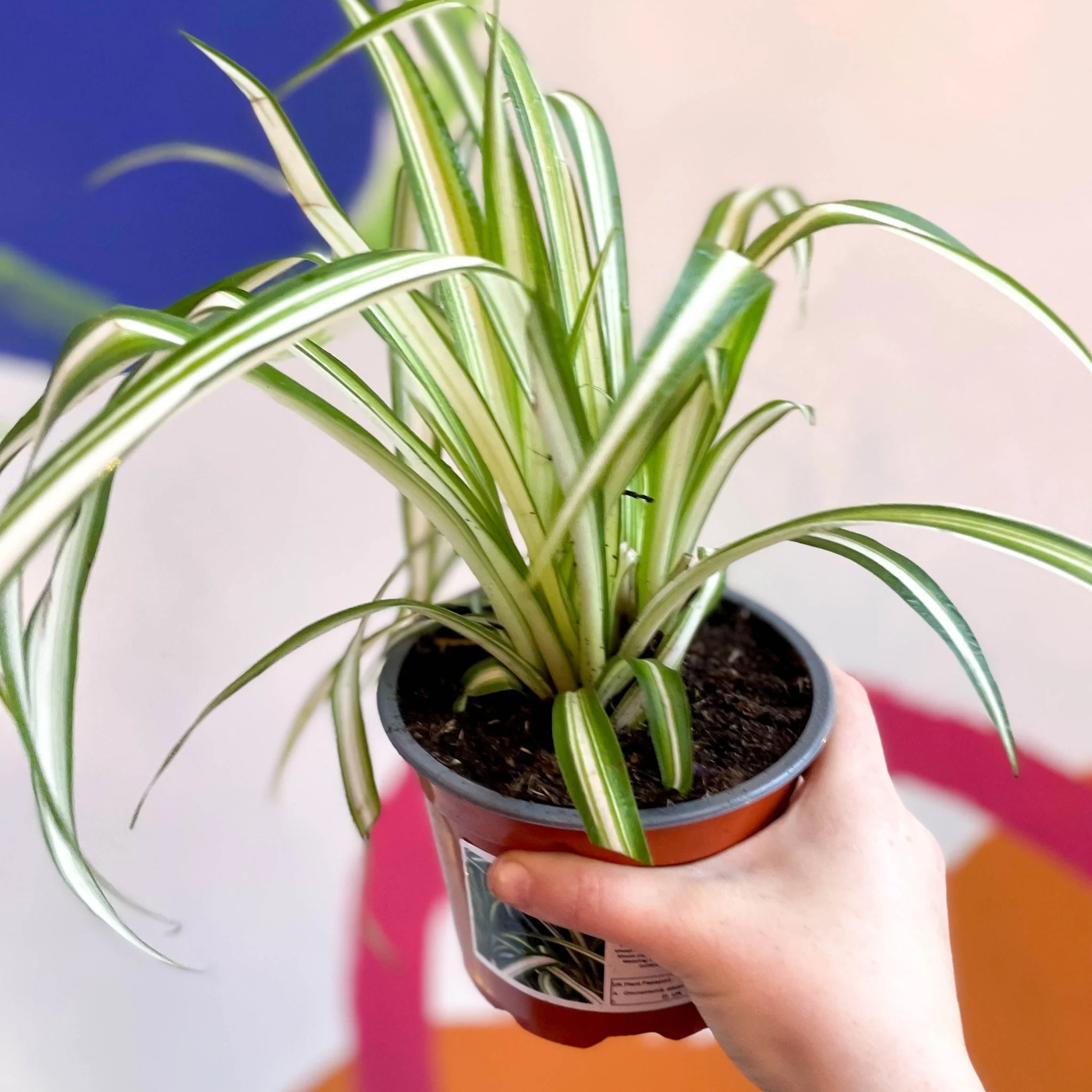
Rosmarinus officinalis - Rosemary
As useful in the kitchen as it is beautiful in the garden, it’s a classic choice for Mediterranean-style borders, herb beds, and wildlife-friendly planting.
|
Perennial |
Evergreen, Upright and architectural, Aromatic foliage |
Flowers: March – May (with occasional repeat flowering later in the season) Foliage: Year-round |
Scientific Name
Rosmarinus officinalis
Common Name
Rosemary
Origin
Mediterranean species, this cultivar selected and introduced in the UK
Pruning Tips
Trim lightly after flowering to maintain shape and encourage bushy growth. Avoid cutting into woody stems
Wildlife Value
Highly attractive to bees, particularly early in the season when other nectar sources are scarce
Positioning
Full sun in a well-drained, sheltered position. Ideal for hedging, borders, or pots near doorways and paths
Water
Water during dry spells in the first year. Drought tolerant once established
Soil
Well-drained, poor to moderately fertile soil. Avoid heavy or wet ground, especially in winter
Food
Rarely needed – a light mulch of compost in spring is sufficient
Pet-safe
Generally considered non-toxic to pets
Sprouts Top Tips
Perfect for clipping into low, fragrant hedges or as a feature in herb gardens. Place it near paths or entrances where its scent can be enjoyed as you pass by.
Product Information
Product Information
Shipping & Returns
Shipping & Returns
Description
As useful in the kitchen as it is beautiful in the garden, it’s a classic choice for Mediterranean-style borders, herb beds, and wildlife-friendly planting.
|
Perennial |
Evergreen, Upright and architectural, Aromatic foliage |
Flowers: March – May (with occasional repeat flowering later in the season) Foliage: Year-round |
Scientific Name
Rosmarinus officinalis
Common Name
Rosemary
Origin
Mediterranean species, this cultivar selected and introduced in the UK
Pruning Tips
Trim lightly after flowering to maintain shape and encourage bushy growth. Avoid cutting into woody stems
Wildlife Value
Highly attractive to bees, particularly early in the season when other nectar sources are scarce
Positioning
Full sun in a well-drained, sheltered position. Ideal for hedging, borders, or pots near doorways and paths
Water
Water during dry spells in the first year. Drought tolerant once established
Soil
Well-drained, poor to moderately fertile soil. Avoid heavy or wet ground, especially in winter
Food
Rarely needed – a light mulch of compost in spring is sufficient
Pet-safe
Generally considered non-toxic to pets
Sprouts Top Tips
Perfect for clipping into low, fragrant hedges or as a feature in herb gardens. Place it near paths or entrances where its scent can be enjoyed as you pass by.