Cyanotis somaliensis - Pussy Ears - Welsh Grown
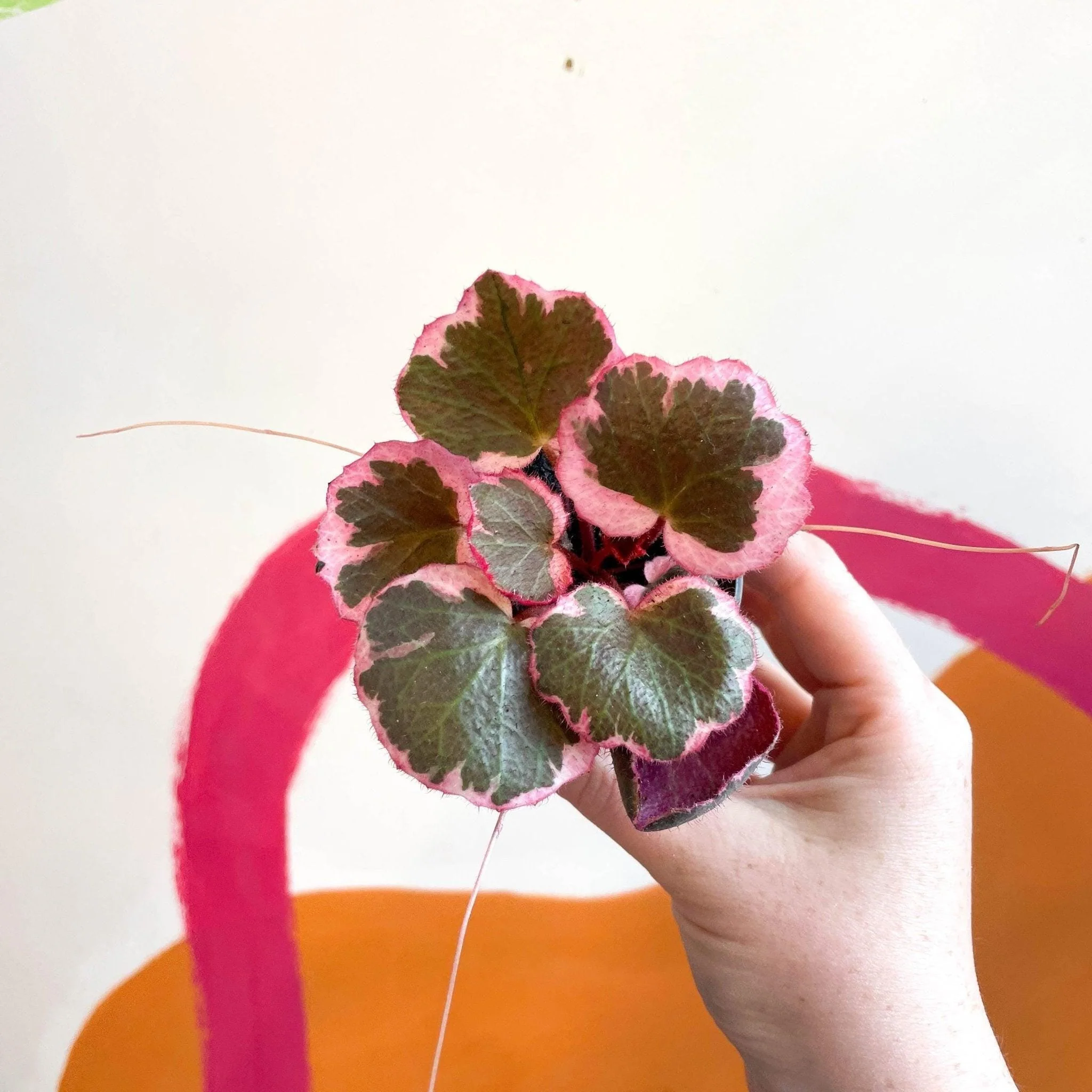
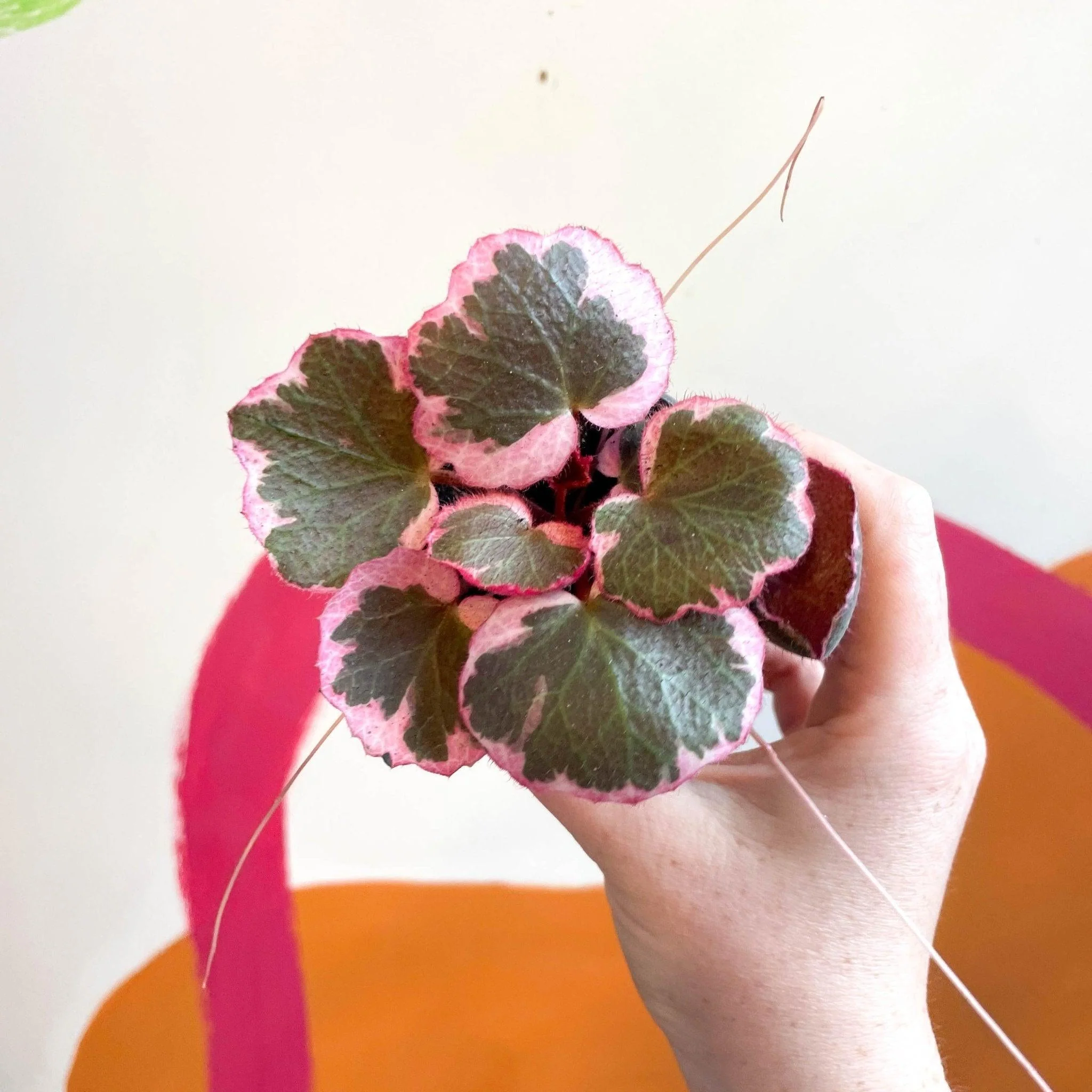
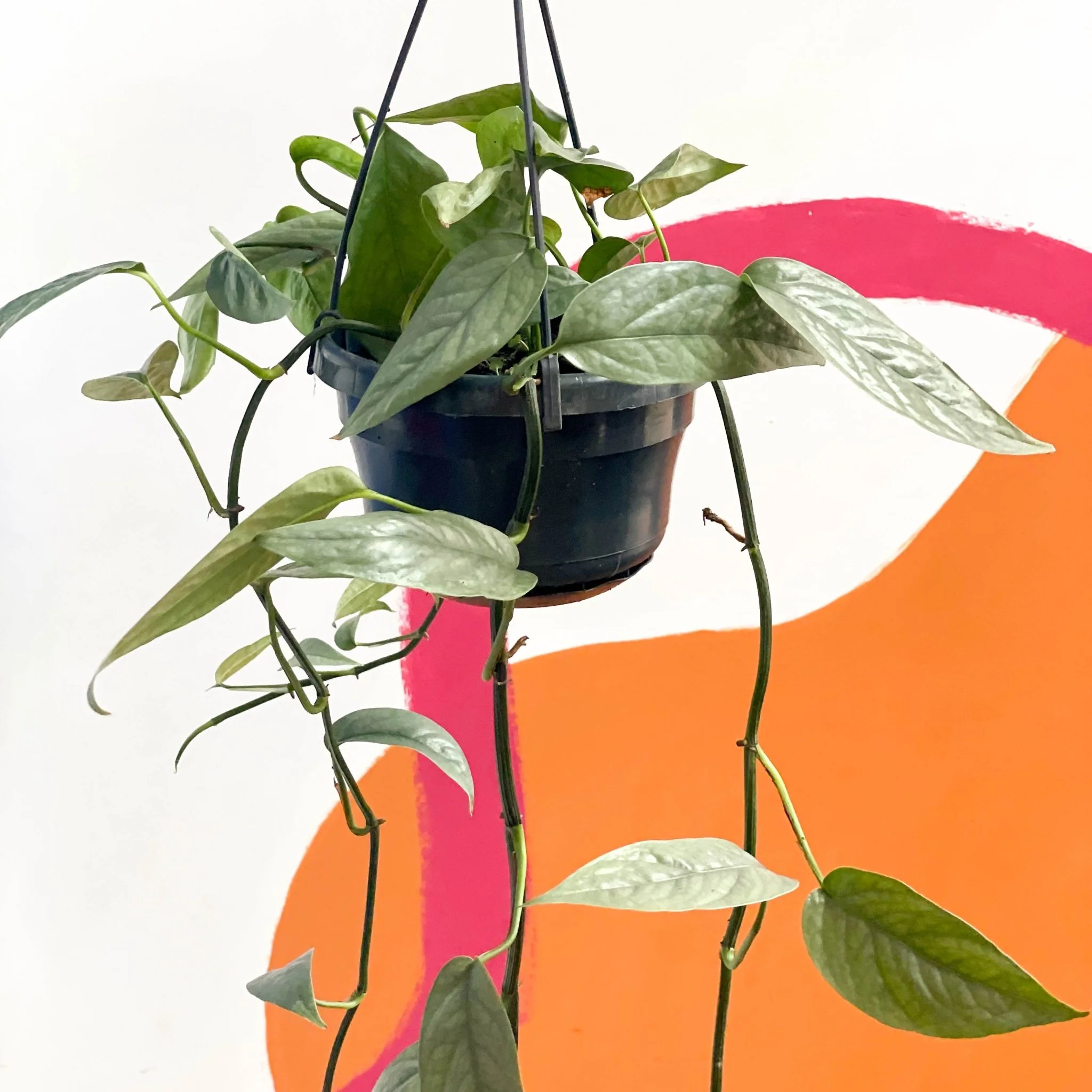
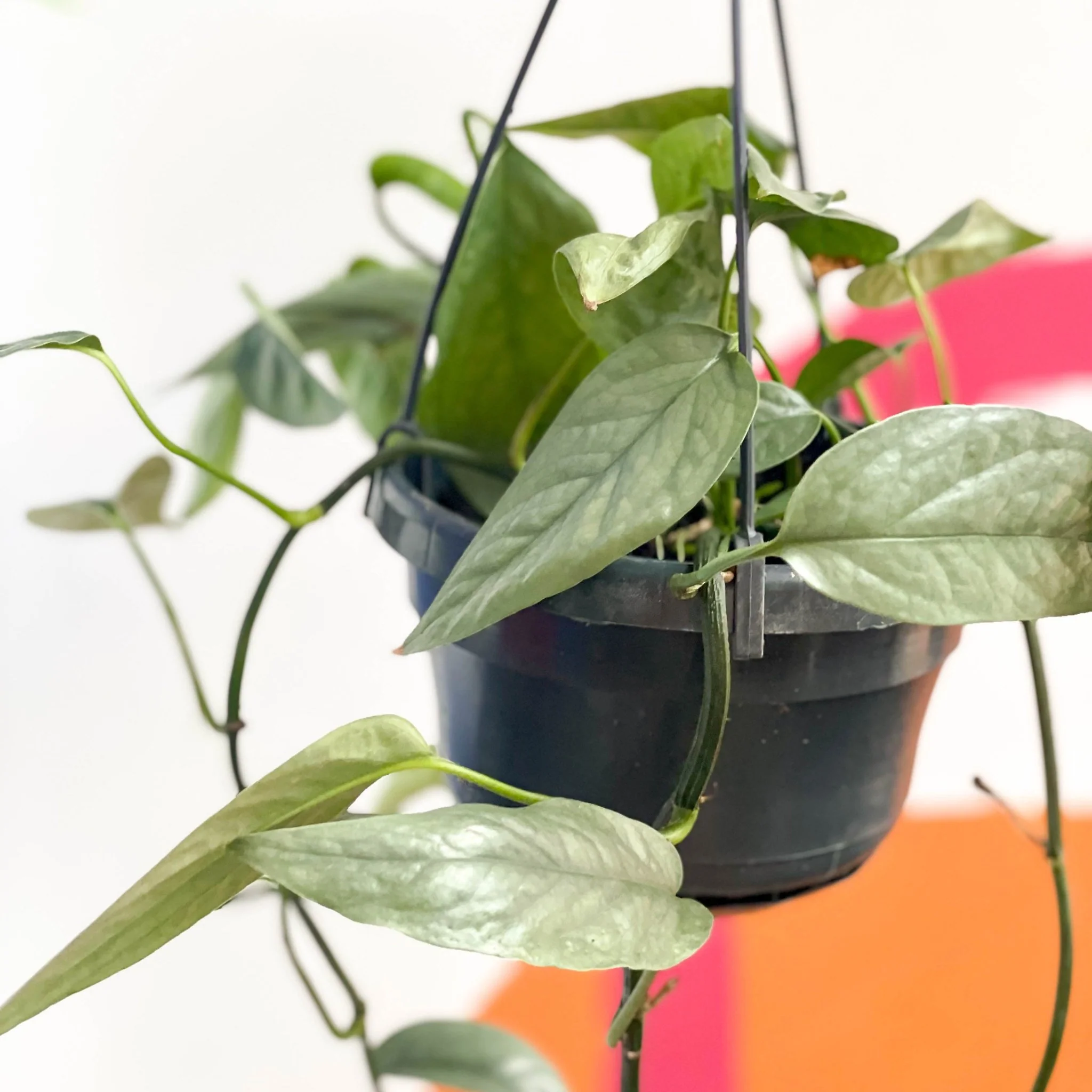
Cyanotis somaliensis is a charming trailing plant known for its soft, velvety leaves covered in fine white hairs, giving them a plush texture that has inspired the common name “Pussy Ears.” The small, lance-shaped leaves grow along trailing stems, creating a soft, silvery-green cascade that looks beautiful spilling over the edges of pots or hanging baskets.
This plant is part of the Commelinaceae family, related to Tradescantia and other wandering plants. It is easy to care for and well suited to bright indoor spaces where its fuzzy foliage can be appreciated up close. With the right balance of light and careful watering, it grows quickly and forms a dense, trailing display.
Scientific Name
Cyanotis somaliensis (Somali cyanotis)
The genus Cyanotis belongs to the Commelinaceae family, a group of plants closely related to Tradescantia. The species name somaliensis refers to Somalia, where the plant was first recorded in the wild.
Common Name
Pussy Ears
Origin
Native to Somalia and parts of eastern Africa, where it grows in warm, dry environments.
Light
Prefers bright light with some gentle direct sun. A sunny windowsill works well. Lower light levels may cause the plant to grow more slowly and become less compact.
Water
Allow the soil to dry out between waterings. Water thoroughly and allow excess moisture to drain away. Overwatering can quickly lead to root problems.
Humidity
Tolerates normal household humidity and does not require high humidity to thrive.
Soil
Use a well-draining potting mix. A houseplant compost blended with extra grit or perlite works well to prevent waterlogging.
Food
Feed every 4–6 weeks during spring and summer with a balanced liquid houseplant fertiliser. Pause feeding during winter.
Temperature
Prefers temperatures between 18–27°C. Avoid temperatures below 10–12°C and protect from cold drafts.
Pet-safe
Not known to be toxic, though it is best to keep houseplants out of reach of curious pets.
Sprouts Top Tips
If stems become long or sparse, trim them back in spring to encourage fuller growth and a bushier plant.
Extras
Its trailing growth habit makes it ideal for hanging pots or allowing stems to cascade from shelves.
Did You Know?
The tiny hairs covering the leaves help the plant reduce water loss in its naturally warm and dry native habitat.
Original: $15.02
-65%$15.02
$5.26Product Information
Product Information
Shipping & Returns
Shipping & Returns
Description
Cyanotis somaliensis is a charming trailing plant known for its soft, velvety leaves covered in fine white hairs, giving them a plush texture that has inspired the common name “Pussy Ears.” The small, lance-shaped leaves grow along trailing stems, creating a soft, silvery-green cascade that looks beautiful spilling over the edges of pots or hanging baskets.
This plant is part of the Commelinaceae family, related to Tradescantia and other wandering plants. It is easy to care for and well suited to bright indoor spaces where its fuzzy foliage can be appreciated up close. With the right balance of light and careful watering, it grows quickly and forms a dense, trailing display.
Scientific Name
Cyanotis somaliensis (Somali cyanotis)
The genus Cyanotis belongs to the Commelinaceae family, a group of plants closely related to Tradescantia. The species name somaliensis refers to Somalia, where the plant was first recorded in the wild.
Common Name
Pussy Ears
Origin
Native to Somalia and parts of eastern Africa, where it grows in warm, dry environments.
Light
Prefers bright light with some gentle direct sun. A sunny windowsill works well. Lower light levels may cause the plant to grow more slowly and become less compact.
Water
Allow the soil to dry out between waterings. Water thoroughly and allow excess moisture to drain away. Overwatering can quickly lead to root problems.
Humidity
Tolerates normal household humidity and does not require high humidity to thrive.
Soil
Use a well-draining potting mix. A houseplant compost blended with extra grit or perlite works well to prevent waterlogging.
Food
Feed every 4–6 weeks during spring and summer with a balanced liquid houseplant fertiliser. Pause feeding during winter.
Temperature
Prefers temperatures between 18–27°C. Avoid temperatures below 10–12°C and protect from cold drafts.
Pet-safe
Not known to be toxic, though it is best to keep houseplants out of reach of curious pets.
Sprouts Top Tips
If stems become long or sparse, trim them back in spring to encourage fuller growth and a bushier plant.
Extras
Its trailing growth habit makes it ideal for hanging pots or allowing stems to cascade from shelves.
Did You Know?
The tiny hairs covering the leaves help the plant reduce water loss in its naturally warm and dry native habitat.