Philodendron bipennifolium aurea ’Golden Violin’
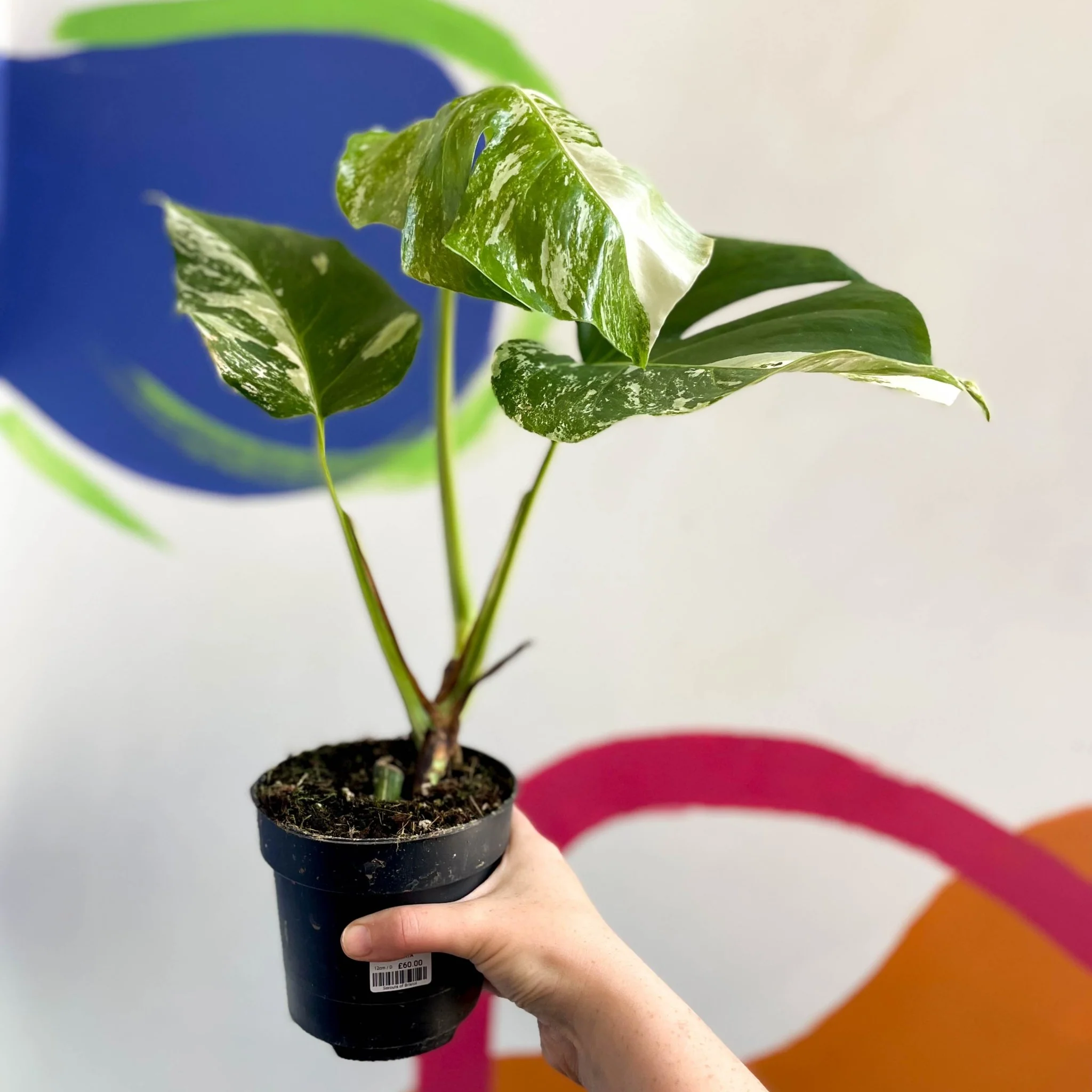
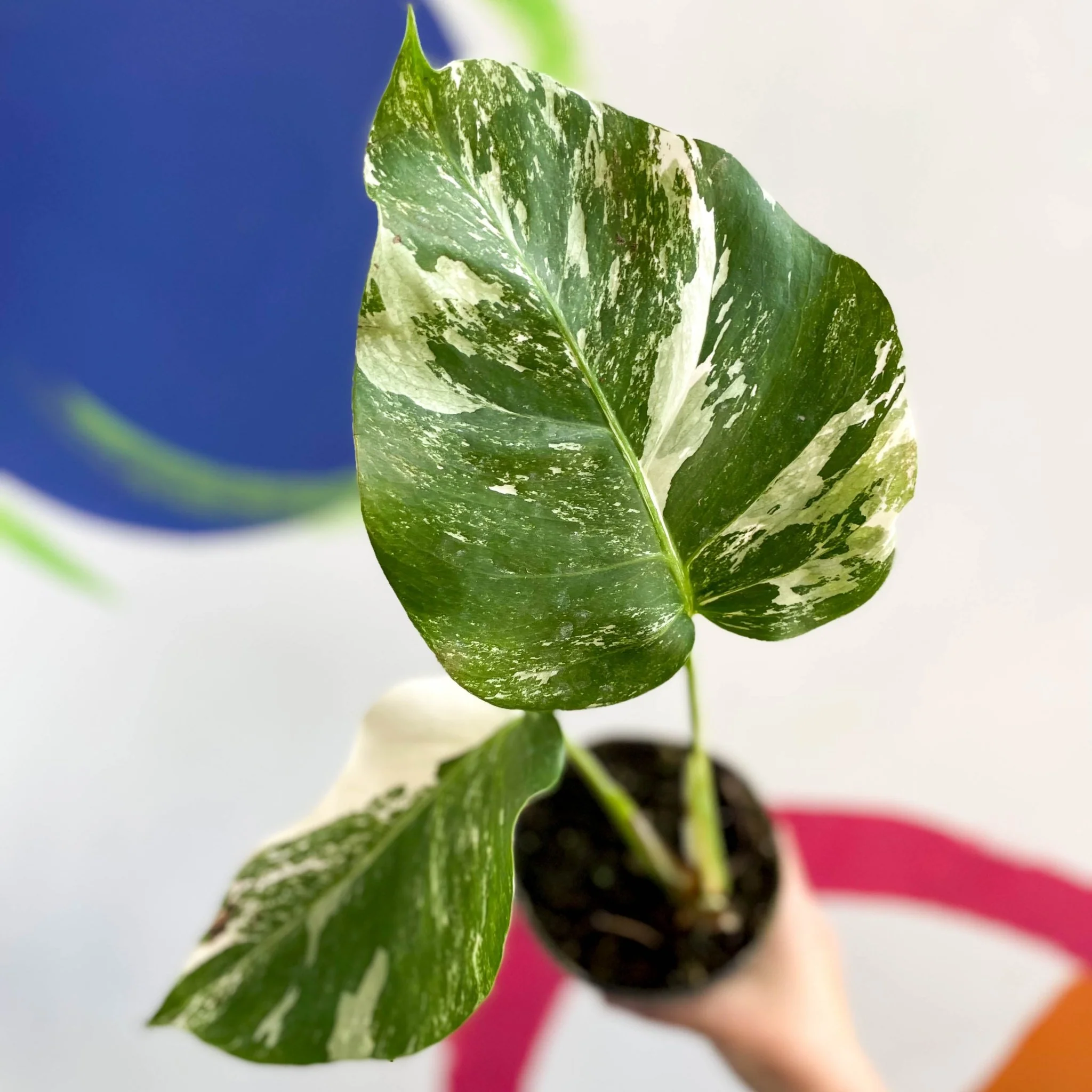
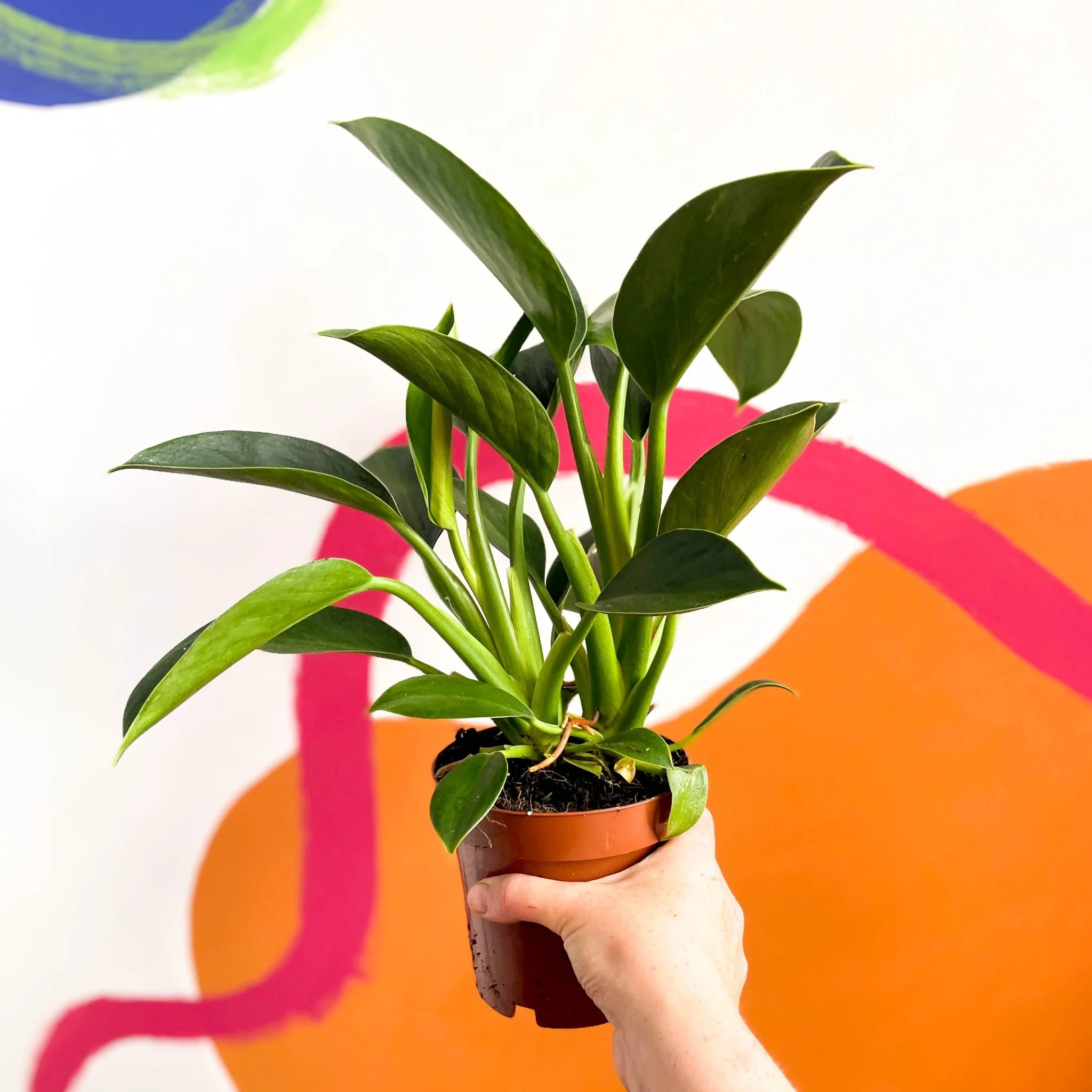
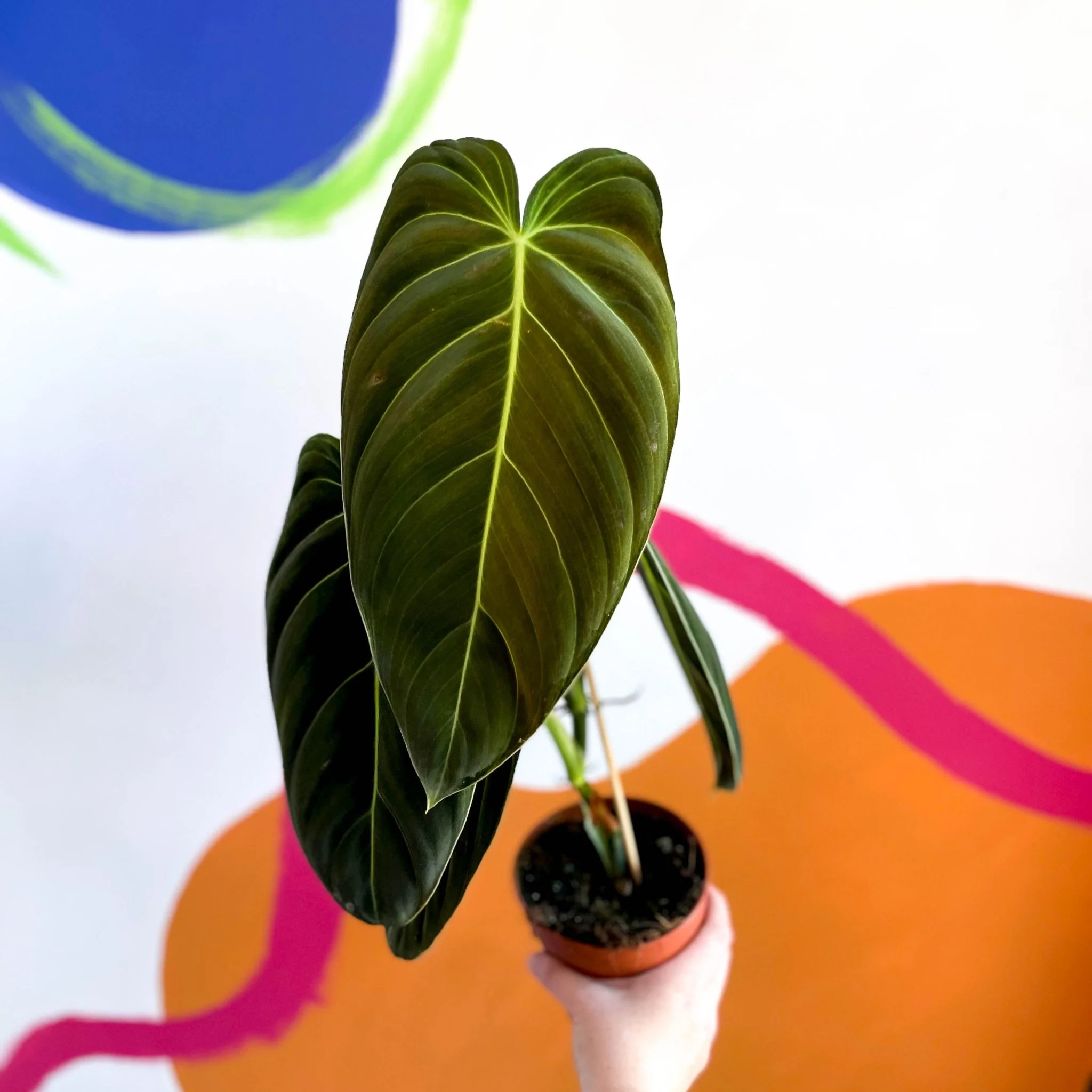
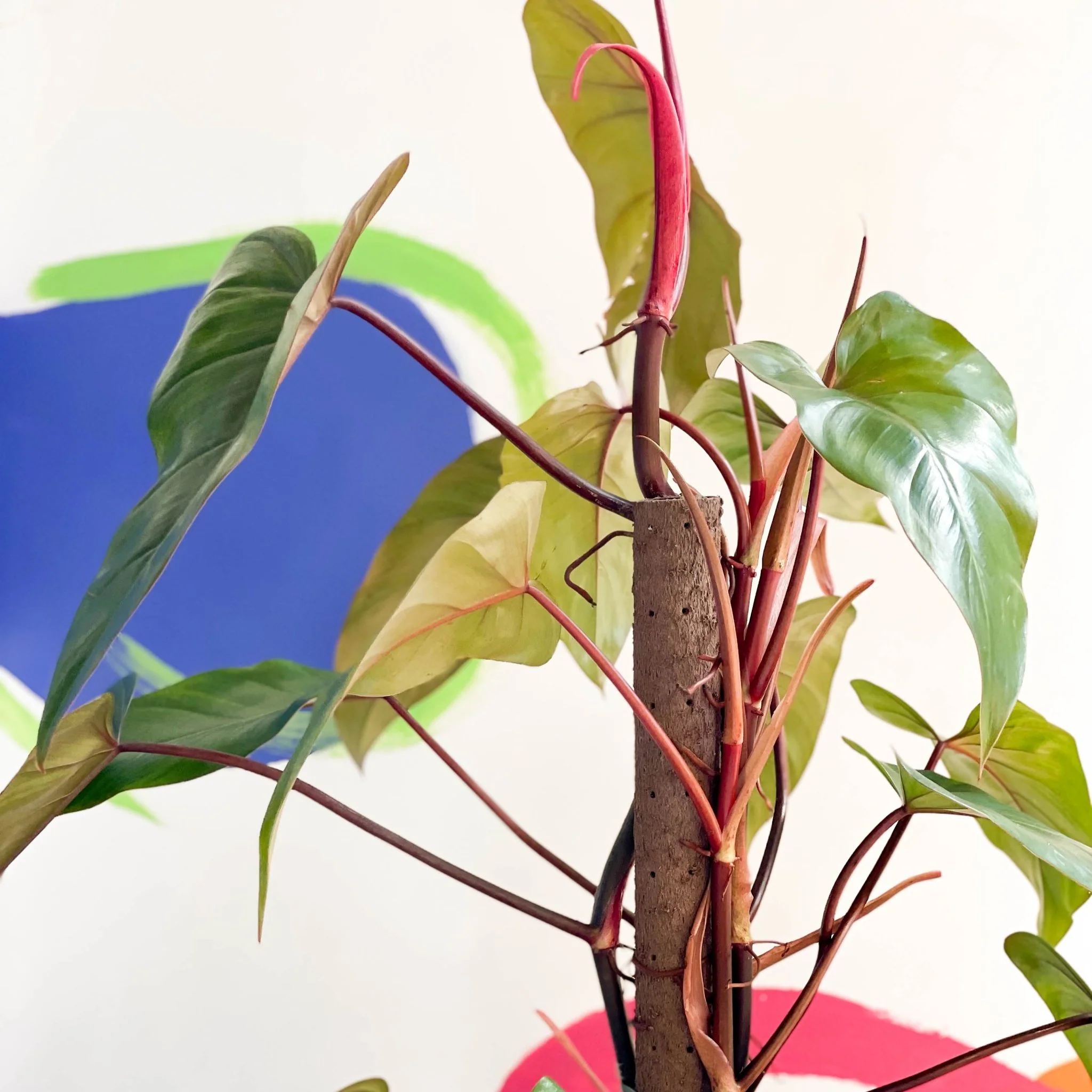
Philodendron bipennifolium aurea ‘Golden Violin’ is a striking climbing aroid known for its dramatic violin-shaped leaves splashed in luminous golden-yellow tones. As the plant matures, its foliage becomes more elongated and deeply lobed, giving it a bold, architectural presence. Fast-growing and full of tropical character, this rare cultivar is perfect for adding height and colour to bright indoor spaces.
Scientific Name
Philodendron bipennifolium ‘Aurea’ (two-feathered leaf, golden form)
The genus name Philodendron comes from Greek, meaning “tree lover,” referring to its climbing habit. The species name bipennifolium refers to the feather-like lobing of the mature leaves. ‘Aurea’ indicates the golden variegated form, and ‘Golden Violin’ is a trade name referencing the distinctive violin-shaped foliage.
Synonyms
Sometimes sold as Philodendron bipennifolium ‘Aurea Variegata’.
Commonly marketed as Golden Violin Philodendron.
Common Name
Golden Violin Philodendron, Golden Horsehead Philodendron
Origin
The species Philodendron bipennifolium is native to South America, particularly Brazil, Paraguay and northern Argentina, where it grows as a climbing epiphyte in tropical forests.
Light
Bright, indirect light is essential to maintain strong variegation. Avoid direct midday sun, which may scorch the leaves. Too little light can cause the golden colouring to fade and growth to become leggy.
Water
Allow the top 2–3cm of compost to dry out between waterings. Water thoroughly during spring and summer, ensuring excess drains away. Reduce watering frequency in autumn and winter when growth slows. Avoid leaving the plant sitting in water.
Humidity
Prefers moderate to high humidity. Average UK household humidity is usually fine, but it will thrive in kitchens or rooms with added humidity. Consider a pebble tray or humidifier in very dry winter conditions.
Soil
Use a chunky, well-draining aroid mix containing bark, perlite and coco coir or peat-free compost. Good airflow around the roots is important. Repot every 1–2 years during spring as it establishes.
Food
Feed every 2–3 waters during the growing season with a balanced liquid fertiliser at half strength. Do not feed during winter.
Temperature
Ideal temperature range is 18–27°C. Avoid temperatures below 15°C and protect from cold draughts.
Pet-safe
Not pet-safe. Contains calcium oxalate crystals and is toxic if ingested.
Sprouts Top Tips
Provide a moss pole or climbing support early on – this encourages larger, more mature leaf shapes and stronger growth.
Extras
As it matures and climbs, leaf shape becomes more dramatic and deeply lobed. Juvenile leaves are often simpler in form.
Did You Know?
Variegated ‘Aurea’ forms can vary greatly from leaf to leaf – some may emerge almost fully golden, while others show a marbled mix of green and yellow.
Original: $26.29
-65%$26.29
$9.20Product Information
Product Information
Shipping & Returns
Shipping & Returns
Description
Philodendron bipennifolium aurea ‘Golden Violin’ is a striking climbing aroid known for its dramatic violin-shaped leaves splashed in luminous golden-yellow tones. As the plant matures, its foliage becomes more elongated and deeply lobed, giving it a bold, architectural presence. Fast-growing and full of tropical character, this rare cultivar is perfect for adding height and colour to bright indoor spaces.
Scientific Name
Philodendron bipennifolium ‘Aurea’ (two-feathered leaf, golden form)
The genus name Philodendron comes from Greek, meaning “tree lover,” referring to its climbing habit. The species name bipennifolium refers to the feather-like lobing of the mature leaves. ‘Aurea’ indicates the golden variegated form, and ‘Golden Violin’ is a trade name referencing the distinctive violin-shaped foliage.
Synonyms
Sometimes sold as Philodendron bipennifolium ‘Aurea Variegata’.
Commonly marketed as Golden Violin Philodendron.
Common Name
Golden Violin Philodendron, Golden Horsehead Philodendron
Origin
The species Philodendron bipennifolium is native to South America, particularly Brazil, Paraguay and northern Argentina, where it grows as a climbing epiphyte in tropical forests.
Light
Bright, indirect light is essential to maintain strong variegation. Avoid direct midday sun, which may scorch the leaves. Too little light can cause the golden colouring to fade and growth to become leggy.
Water
Allow the top 2–3cm of compost to dry out between waterings. Water thoroughly during spring and summer, ensuring excess drains away. Reduce watering frequency in autumn and winter when growth slows. Avoid leaving the plant sitting in water.
Humidity
Prefers moderate to high humidity. Average UK household humidity is usually fine, but it will thrive in kitchens or rooms with added humidity. Consider a pebble tray or humidifier in very dry winter conditions.
Soil
Use a chunky, well-draining aroid mix containing bark, perlite and coco coir or peat-free compost. Good airflow around the roots is important. Repot every 1–2 years during spring as it establishes.
Food
Feed every 2–3 waters during the growing season with a balanced liquid fertiliser at half strength. Do not feed during winter.
Temperature
Ideal temperature range is 18–27°C. Avoid temperatures below 15°C and protect from cold draughts.
Pet-safe
Not pet-safe. Contains calcium oxalate crystals and is toxic if ingested.
Sprouts Top Tips
Provide a moss pole or climbing support early on – this encourages larger, more mature leaf shapes and stronger growth.
Extras
As it matures and climbs, leaf shape becomes more dramatic and deeply lobed. Juvenile leaves are often simpler in form.
Did You Know?
Variegated ‘Aurea’ forms can vary greatly from leaf to leaf – some may emerge almost fully golden, while others show a marbled mix of green and yellow.