Ludisia discolor - Jewel Orchid
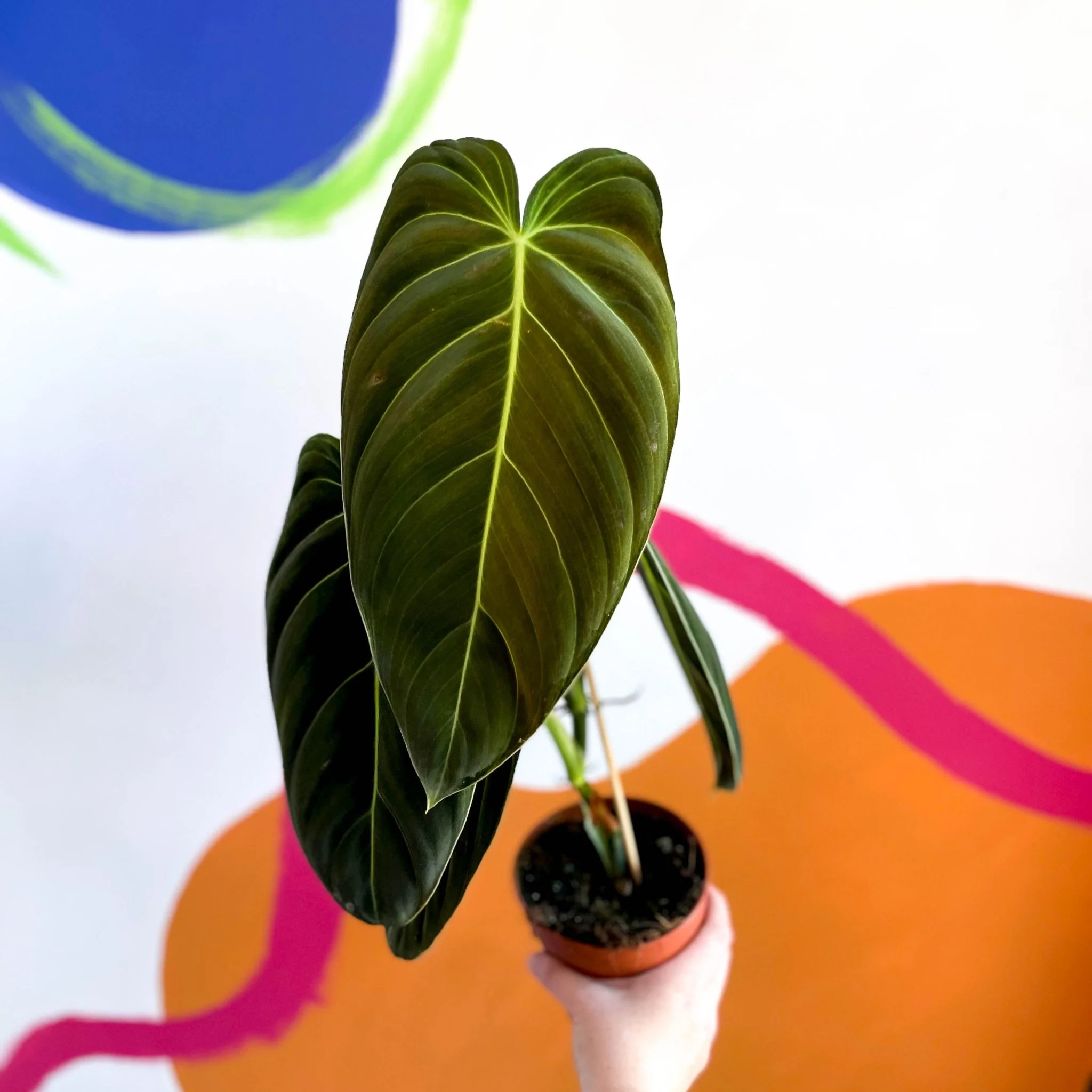
Unlike most orchids grown for their flowers, Ludisia discolor is treasured for its velvety, deep burgundy leaves etched with fine pink or coppery veins that shimmer in the light. Compact and low-growing, it makes a beautiful tabletop or terrarium-style houseplant and is far more forgiving than many traditional orchids. In winter, it may also reward patient growers with delicate white flowers held on upright stems.
Scientific Name
Ludisia discolor (discolouring, referring to the contrast between the dark upper leaf surface and paler underside)
Formerly grouped with other jewel orchids under various genera, Ludisia is now recognised as its own distinct genus within the Orchidaceae family.
Synonyms
Haemaria discolor
Common Name
Jewel Orchid
Origin
Native to Southeast Asia, including southern China, Vietnam, Thailand, and Malaysia, where it grows along forest floors in warm, humid conditions.
Light
Prefers bright, indirect light but tolerates lower light levels well. Avoid direct sunlight, which can scorch the leaves and dull their rich colouring.
Water
Keep the compost lightly and evenly moist during active growth. Allow the top layer of soil to dry slightly between waterings. Reduce watering in winter, but do not let the soil dry out completely.
Humidity
Enjoys higher humidity but adapts well to average household levels. Performs especially well in kitchens, bathrooms, or with the help of a pebble tray.
Soil
Use a well-draining but moisture-retentive mix, such as fine orchid bark combined with compost and perlite. Repot every 2–3 years or when the plant becomes crowded.
Food
Feed every 3–4 waters during the growing season with a diluted orchid or balanced houseplant fertiliser. Pause feeding in winter.
Temperature
Ideal temperature range is 18–26°C. Avoid cold draughts and temperatures below 12°C.
Pet-safe
Non-toxic. Considered safe for pets and children.
Sprouts Top Tips
If stems become leggy over time, they can be gently pinned down onto the soil surface – they will root where they touch and help create a fuller plant.
Extras
Ludisia grows horizontally rather than upright, spreading slowly to form a dense, low clump over time.
Did You Know?
Jewel orchids like Ludisia discolor evolved to thrive on shaded forest floors, which is why they cope so well with lower light levels indoors compared to most orchids.
Original: $26.29
-65%$26.29
$9.20Product Information
Product Information
Shipping & Returns
Shipping & Returns
Description
Unlike most orchids grown for their flowers, Ludisia discolor is treasured for its velvety, deep burgundy leaves etched with fine pink or coppery veins that shimmer in the light. Compact and low-growing, it makes a beautiful tabletop or terrarium-style houseplant and is far more forgiving than many traditional orchids. In winter, it may also reward patient growers with delicate white flowers held on upright stems.
Scientific Name
Ludisia discolor (discolouring, referring to the contrast between the dark upper leaf surface and paler underside)
Formerly grouped with other jewel orchids under various genera, Ludisia is now recognised as its own distinct genus within the Orchidaceae family.
Synonyms
Haemaria discolor
Common Name
Jewel Orchid
Origin
Native to Southeast Asia, including southern China, Vietnam, Thailand, and Malaysia, where it grows along forest floors in warm, humid conditions.
Light
Prefers bright, indirect light but tolerates lower light levels well. Avoid direct sunlight, which can scorch the leaves and dull their rich colouring.
Water
Keep the compost lightly and evenly moist during active growth. Allow the top layer of soil to dry slightly between waterings. Reduce watering in winter, but do not let the soil dry out completely.
Humidity
Enjoys higher humidity but adapts well to average household levels. Performs especially well in kitchens, bathrooms, or with the help of a pebble tray.
Soil
Use a well-draining but moisture-retentive mix, such as fine orchid bark combined with compost and perlite. Repot every 2–3 years or when the plant becomes crowded.
Food
Feed every 3–4 waters during the growing season with a diluted orchid or balanced houseplant fertiliser. Pause feeding in winter.
Temperature
Ideal temperature range is 18–26°C. Avoid cold draughts and temperatures below 12°C.
Pet-safe
Non-toxic. Considered safe for pets and children.
Sprouts Top Tips
If stems become leggy over time, they can be gently pinned down onto the soil surface – they will root where they touch and help create a fuller plant.
Extras
Ludisia grows horizontally rather than upright, spreading slowly to form a dense, low clump over time.
Did You Know?
Jewel orchids like Ludisia discolor evolved to thrive on shaded forest floors, which is why they cope so well with lower light levels indoors compared to most orchids.