Aeschynanthus longicaulis 'Black Pagoda' - Lipstick Plant - Welsh Grown
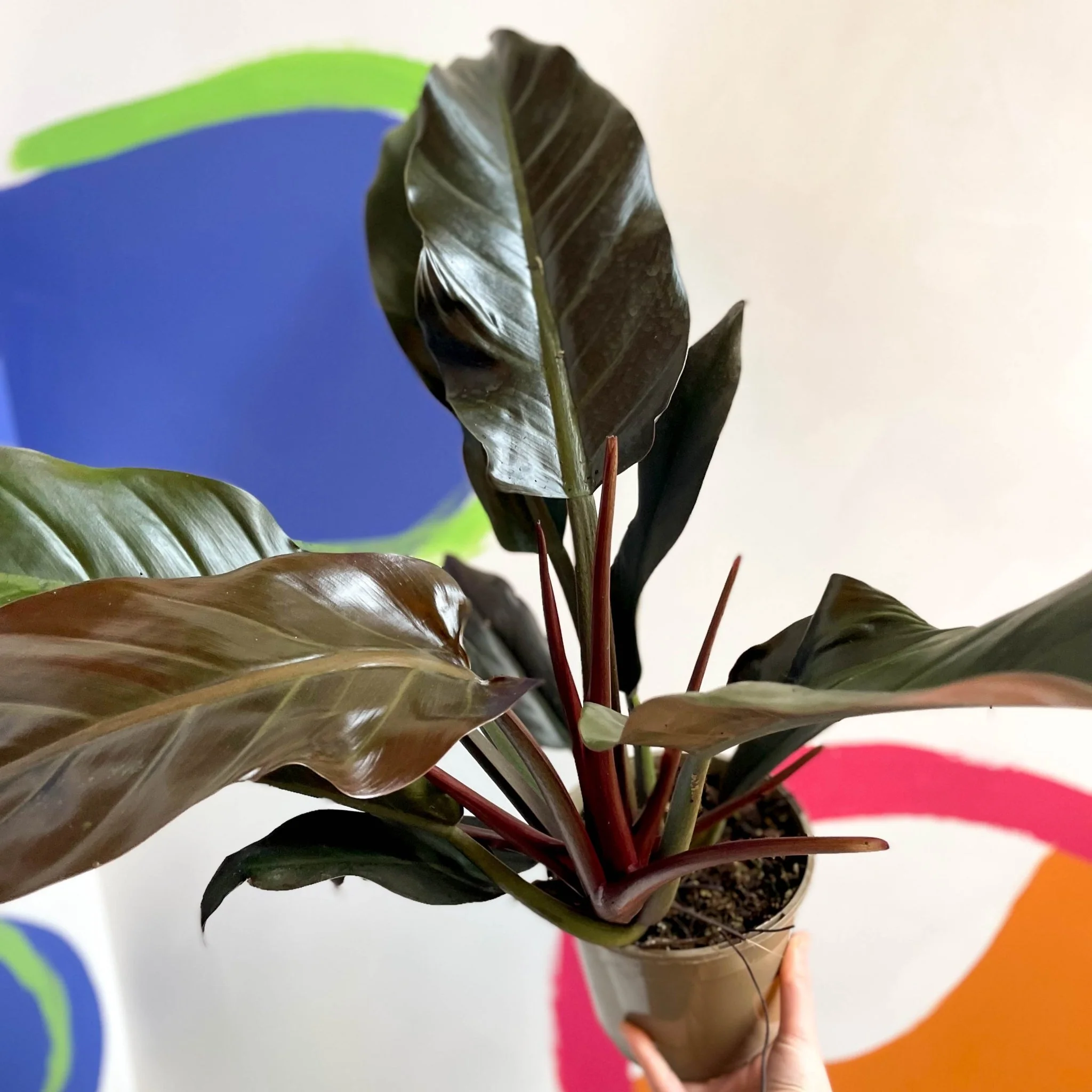
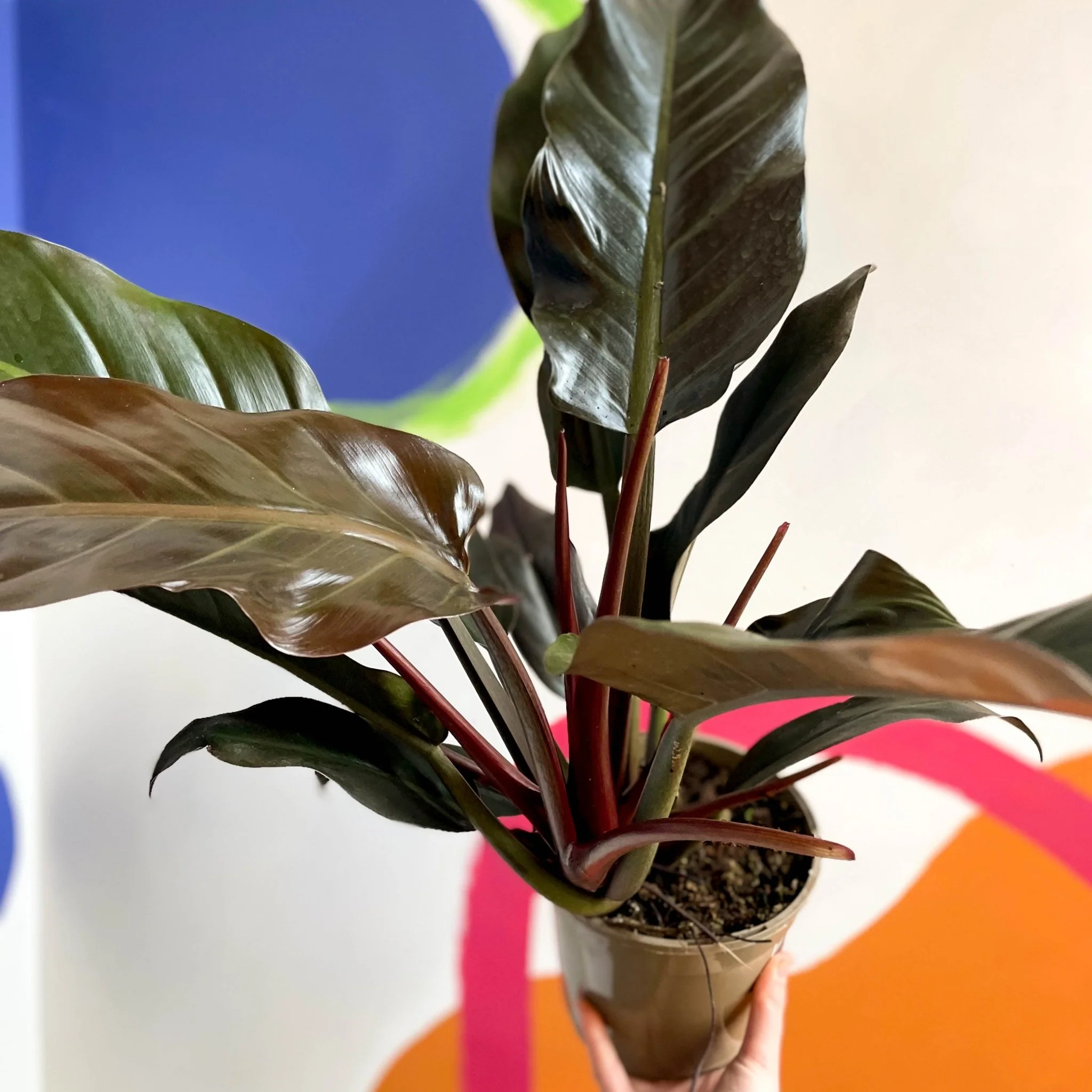
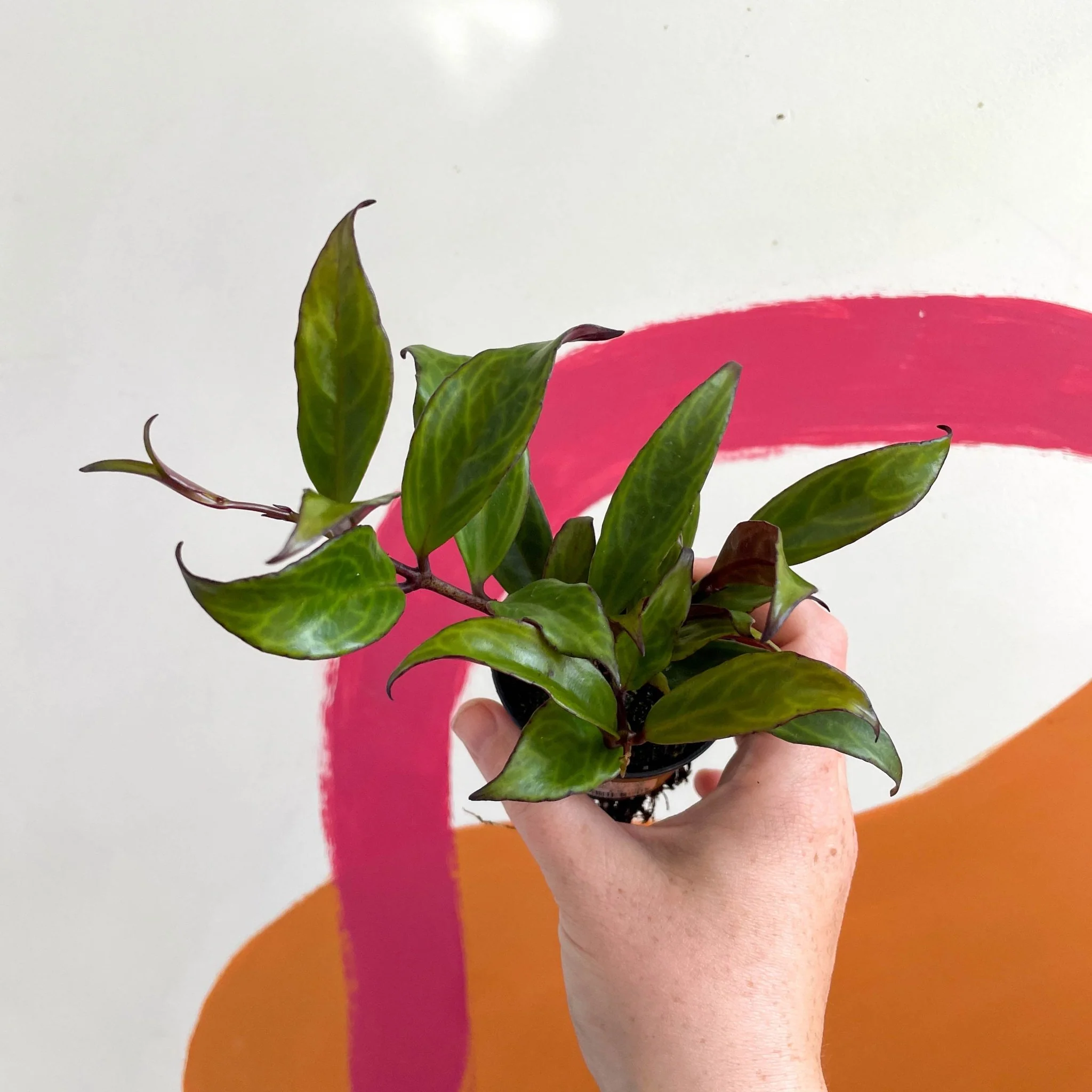
A real foliage showstopper, Aeschynanthus ‘Black Pagoda’ features glossy green leaves patterned with striking maroon-purple markings on the undersides, almost like stained glass. Trailing gracefully over pot edges or from hanging baskets, it produces tubular orange-yellow flowers from dark burgundy calyxes – less flashy than some lipstick plants, but all the more elegant for it. Grown just as much for its foliage as its flowers.
Scientific Name
Aeschynanthus longicaulis ‘Black Pagoda’ (from Greek aischynē, “shame”, and anthos, “flower”; longicaulis means “long-stemmed”)
This cultivar is derived from Aeschynanthus longicaulis, native to Southeast Asia. ‘Black Pagoda’ is a cultivated variety appreciated for its highly patterned foliage and subtle but beautiful flowering habit.
Common Name(s)
Black Pagoda Lipstick Plant, Zebra Vine, Mottled Lipstick Plant
Origin
Cultivar derived from species native to Thailand, Vietnam, and surrounding tropical forest regions
Light
Bright, indirect light is ideal. Tolerates some early morning sun, but harsh direct light may bleach leaf markings. Too little light will reduce flowering and dull the variegation.
Water
Water when the top 2–3cm of soil feels dry. Keep lightly moist in the growing season and reduce in winter. Avoid letting the plant sit in water, and always use room-temperature water.
Humidity
Enjoys moderate to high humidity. Mist occasionally or place on a pebble tray, especially in winter when indoor air is dry.
Soil
Use a loose, airy mix – a combination of peat-free compost, orchid bark, and perlite works well. As an epiphyte, it prefers excellent drainage. Repot every 1–2 years in spring.
Food
Feed every 4–6 weeks in spring and summer with a diluted, high-potassium liquid feed to encourage flowering. Pause feeding in winter.
Temp
Best grown at 18–26°C. Keep away from cold draughts and avoid temperatures below 15°C.
Pet-safe
Non-toxic – safe for pets and children.
Sprouts Top Tips
Rotate your plant regularly to ensure even growth and maintain balanced trailing. Wipe leaves occasionally to show off the striking markings.
Extras
Though less flamboyant than other Aeschynanthus, the combination of patterned foliage and unusual yellow blooms makes this a favourite for terrariums and statement trailing pots.
Did You Know?
The striking underside pattern of ‘Black Pagoda’ is thought to help the plant absorb reflected light in the dim understory of tropical forests – a clever natural adaptation.
Product Information
Product Information
Shipping & Returns
Shipping & Returns
Description
A real foliage showstopper, Aeschynanthus ‘Black Pagoda’ features glossy green leaves patterned with striking maroon-purple markings on the undersides, almost like stained glass. Trailing gracefully over pot edges or from hanging baskets, it produces tubular orange-yellow flowers from dark burgundy calyxes – less flashy than some lipstick plants, but all the more elegant for it. Grown just as much for its foliage as its flowers.
Scientific Name
Aeschynanthus longicaulis ‘Black Pagoda’ (from Greek aischynē, “shame”, and anthos, “flower”; longicaulis means “long-stemmed”)
This cultivar is derived from Aeschynanthus longicaulis, native to Southeast Asia. ‘Black Pagoda’ is a cultivated variety appreciated for its highly patterned foliage and subtle but beautiful flowering habit.
Common Name(s)
Black Pagoda Lipstick Plant, Zebra Vine, Mottled Lipstick Plant
Origin
Cultivar derived from species native to Thailand, Vietnam, and surrounding tropical forest regions
Light
Bright, indirect light is ideal. Tolerates some early morning sun, but harsh direct light may bleach leaf markings. Too little light will reduce flowering and dull the variegation.
Water
Water when the top 2–3cm of soil feels dry. Keep lightly moist in the growing season and reduce in winter. Avoid letting the plant sit in water, and always use room-temperature water.
Humidity
Enjoys moderate to high humidity. Mist occasionally or place on a pebble tray, especially in winter when indoor air is dry.
Soil
Use a loose, airy mix – a combination of peat-free compost, orchid bark, and perlite works well. As an epiphyte, it prefers excellent drainage. Repot every 1–2 years in spring.
Food
Feed every 4–6 weeks in spring and summer with a diluted, high-potassium liquid feed to encourage flowering. Pause feeding in winter.
Temp
Best grown at 18–26°C. Keep away from cold draughts and avoid temperatures below 15°C.
Pet-safe
Non-toxic – safe for pets and children.
Sprouts Top Tips
Rotate your plant regularly to ensure even growth and maintain balanced trailing. Wipe leaves occasionally to show off the striking markings.
Extras
Though less flamboyant than other Aeschynanthus, the combination of patterned foliage and unusual yellow blooms makes this a favourite for terrariums and statement trailing pots.
Did You Know?
The striking underside pattern of ‘Black Pagoda’ is thought to help the plant absorb reflected light in the dim understory of tropical forests – a clever natural adaptation.