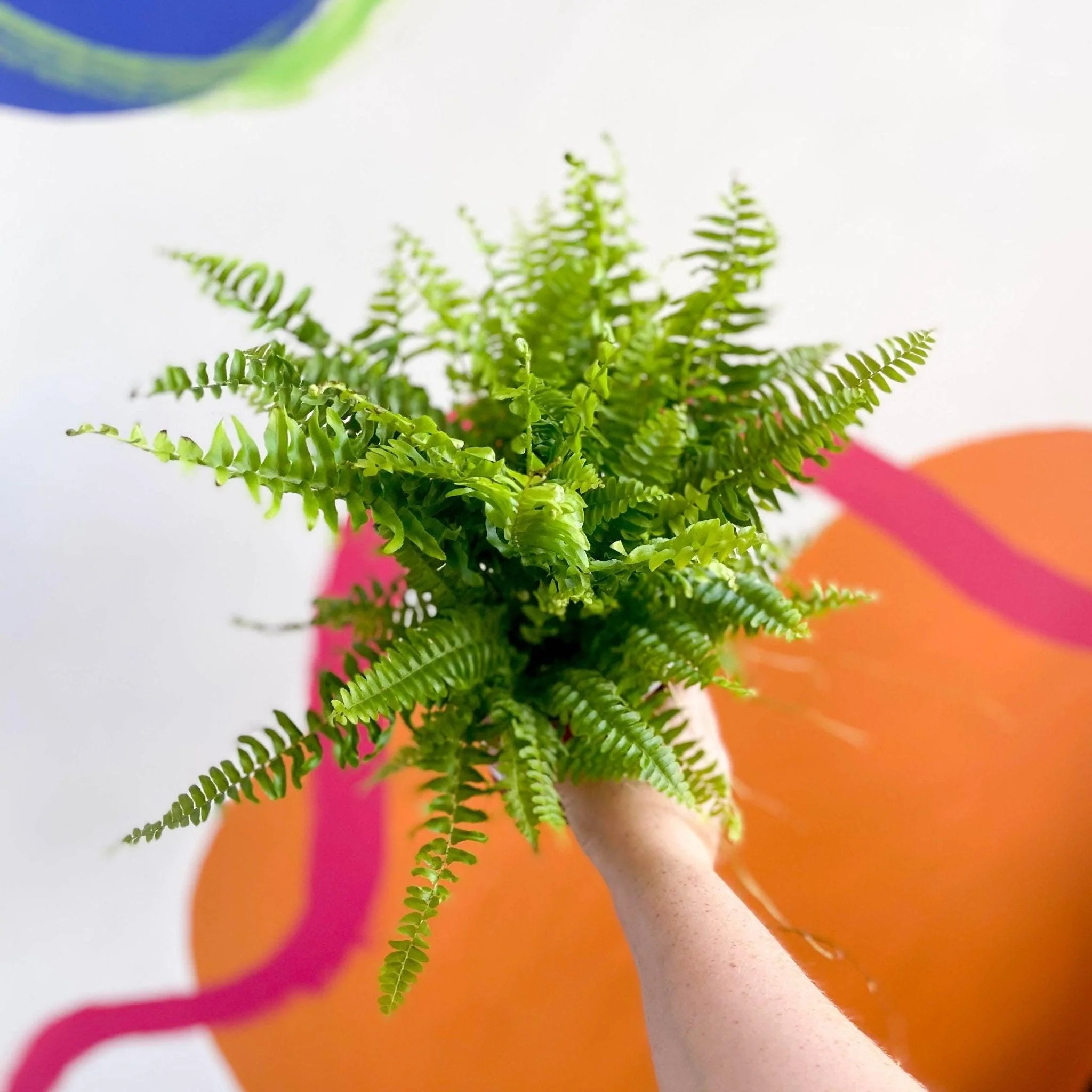
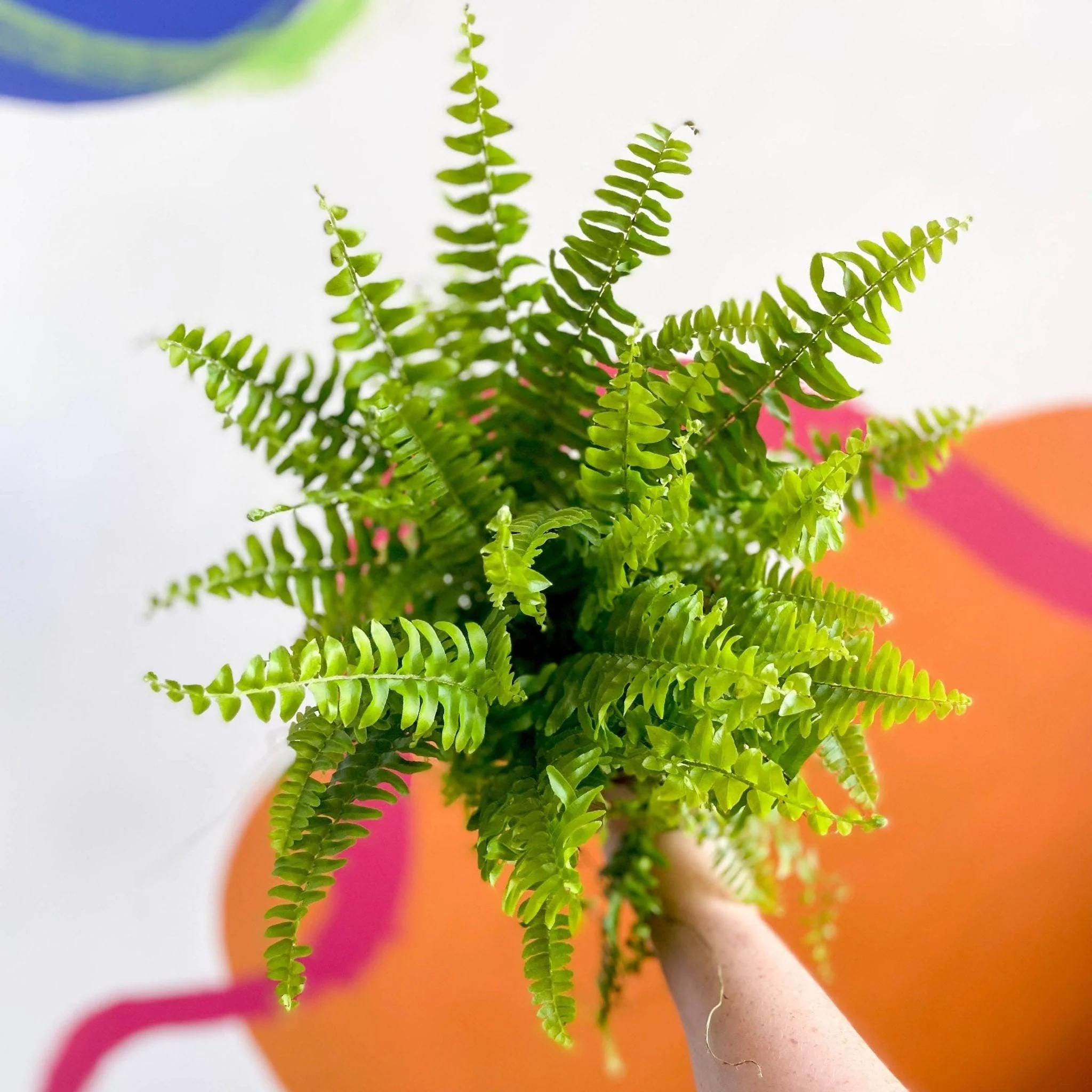
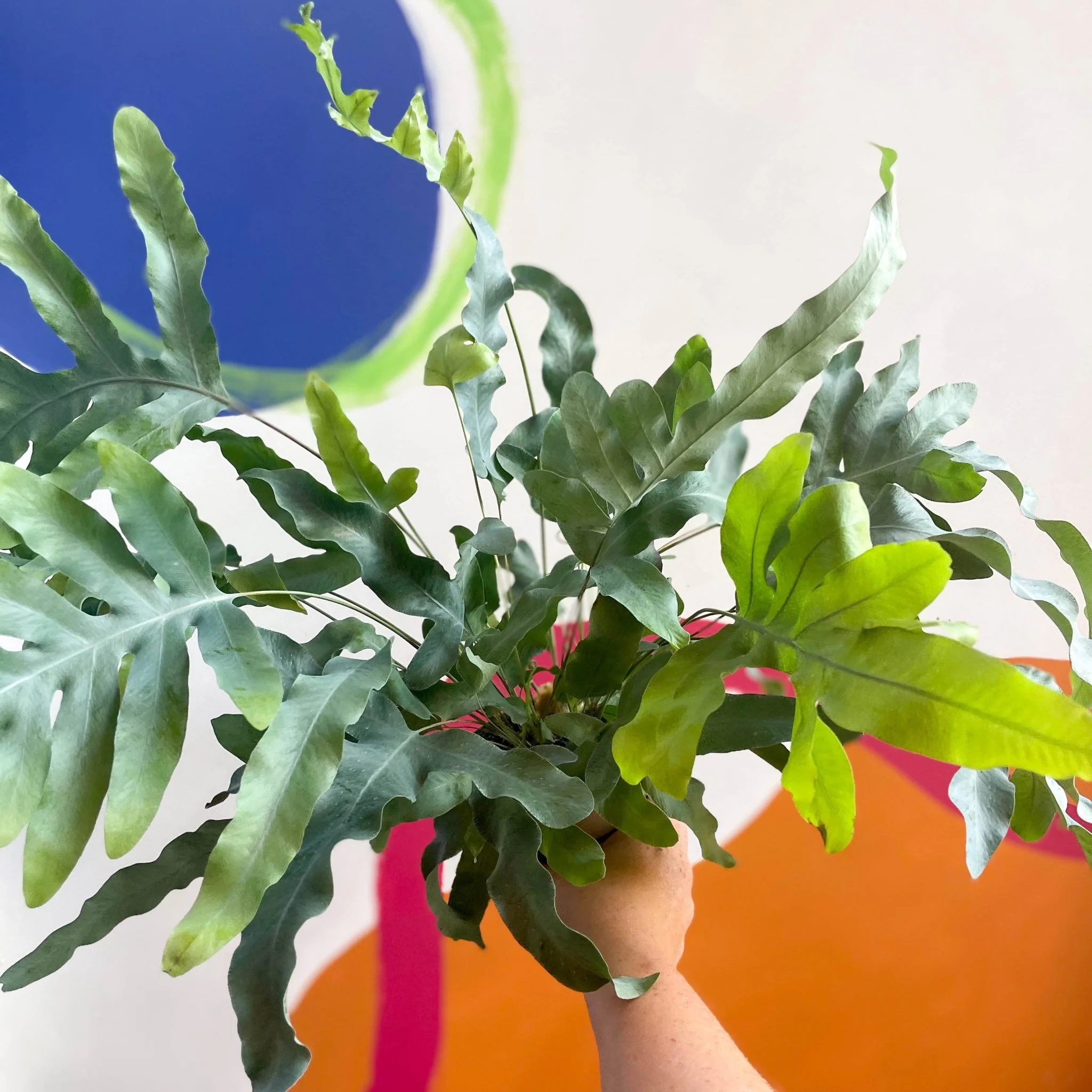
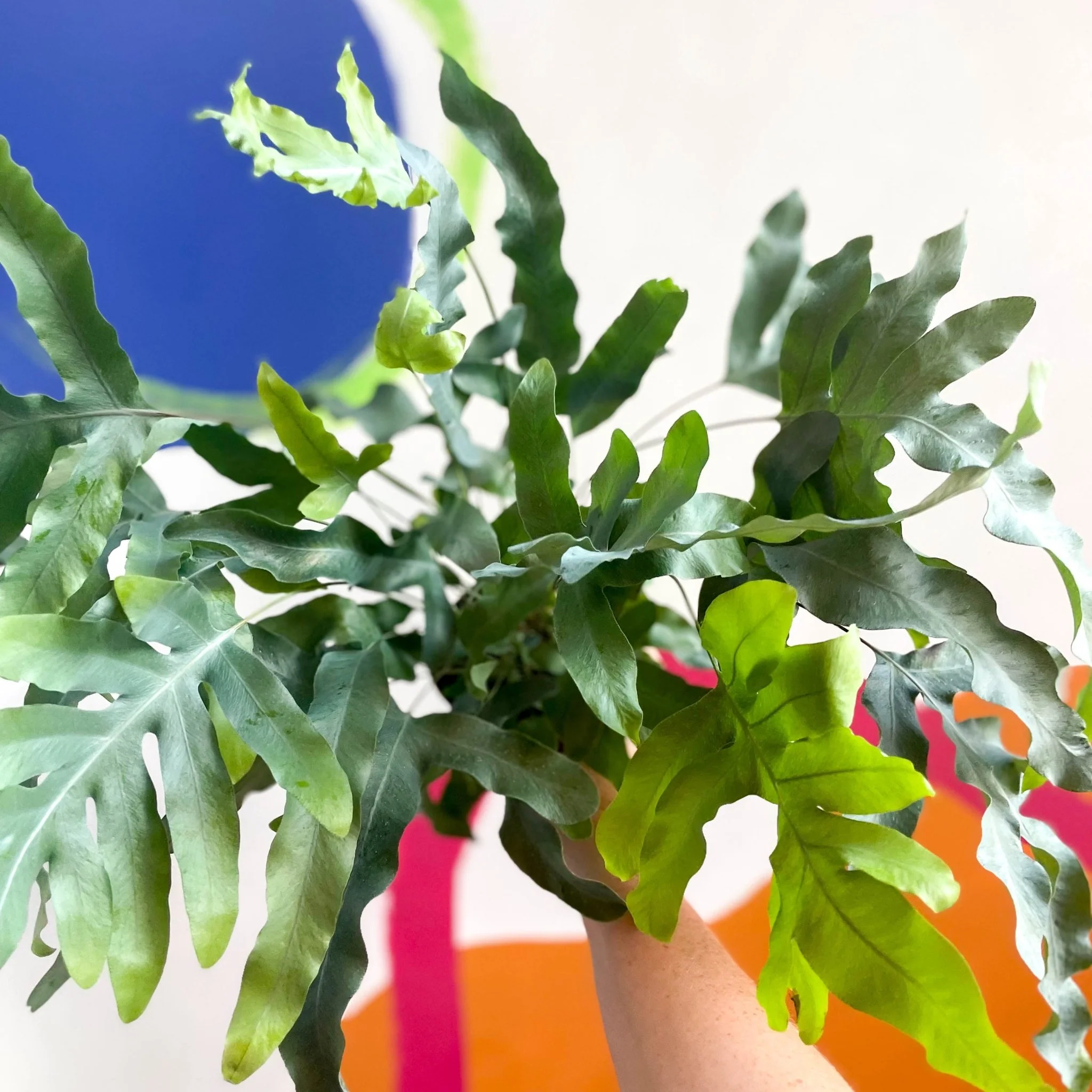
Kalanchoe ‘Mariko’
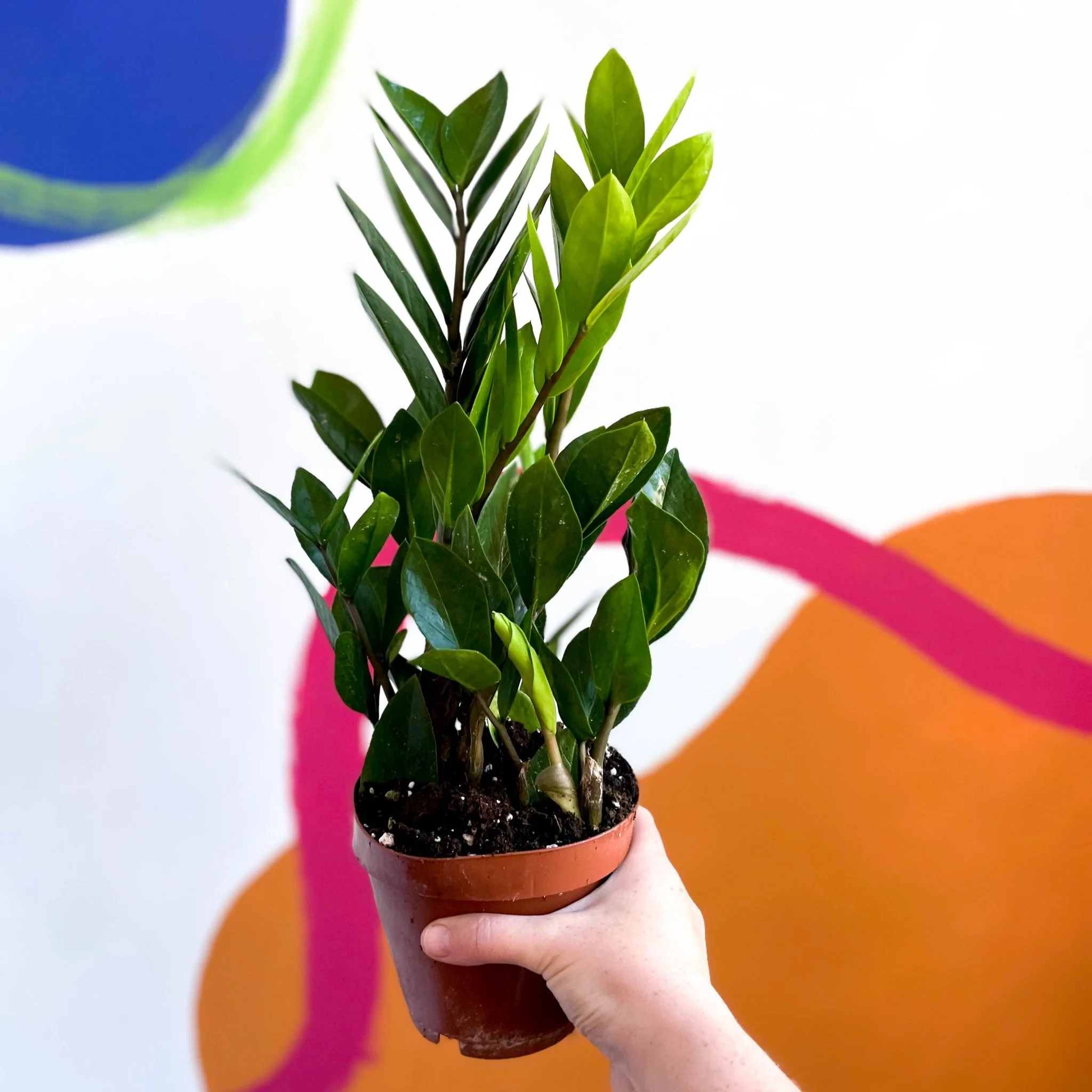
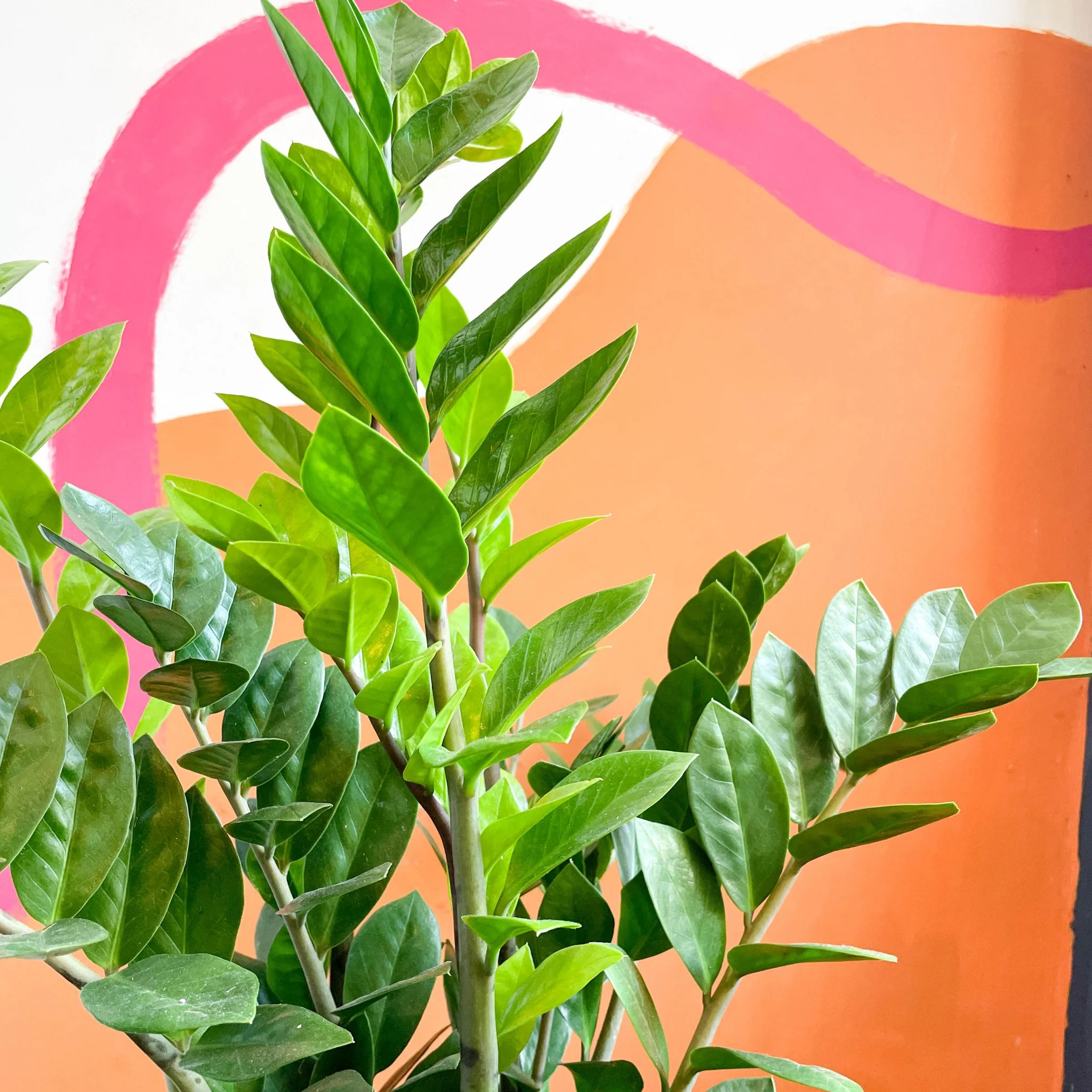
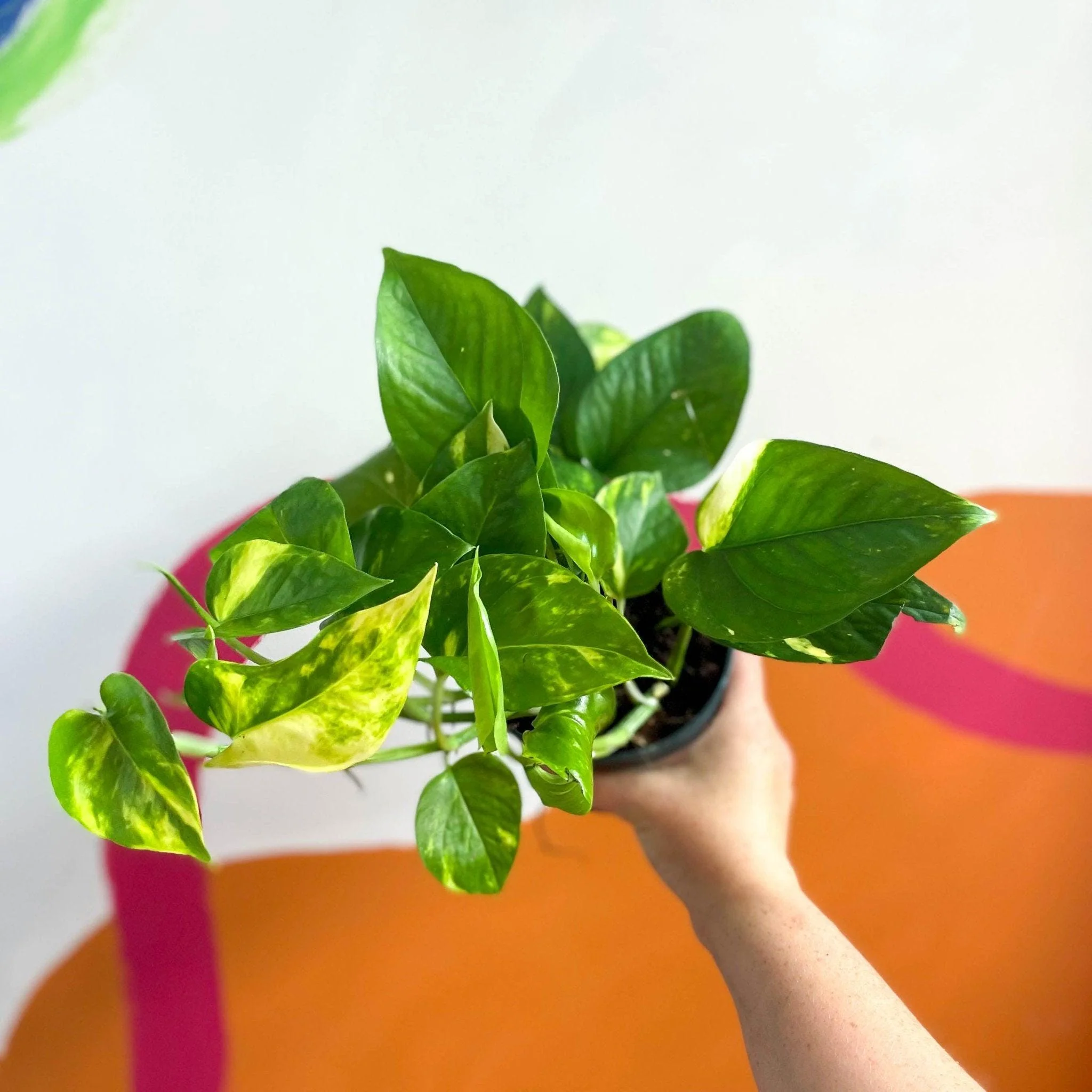
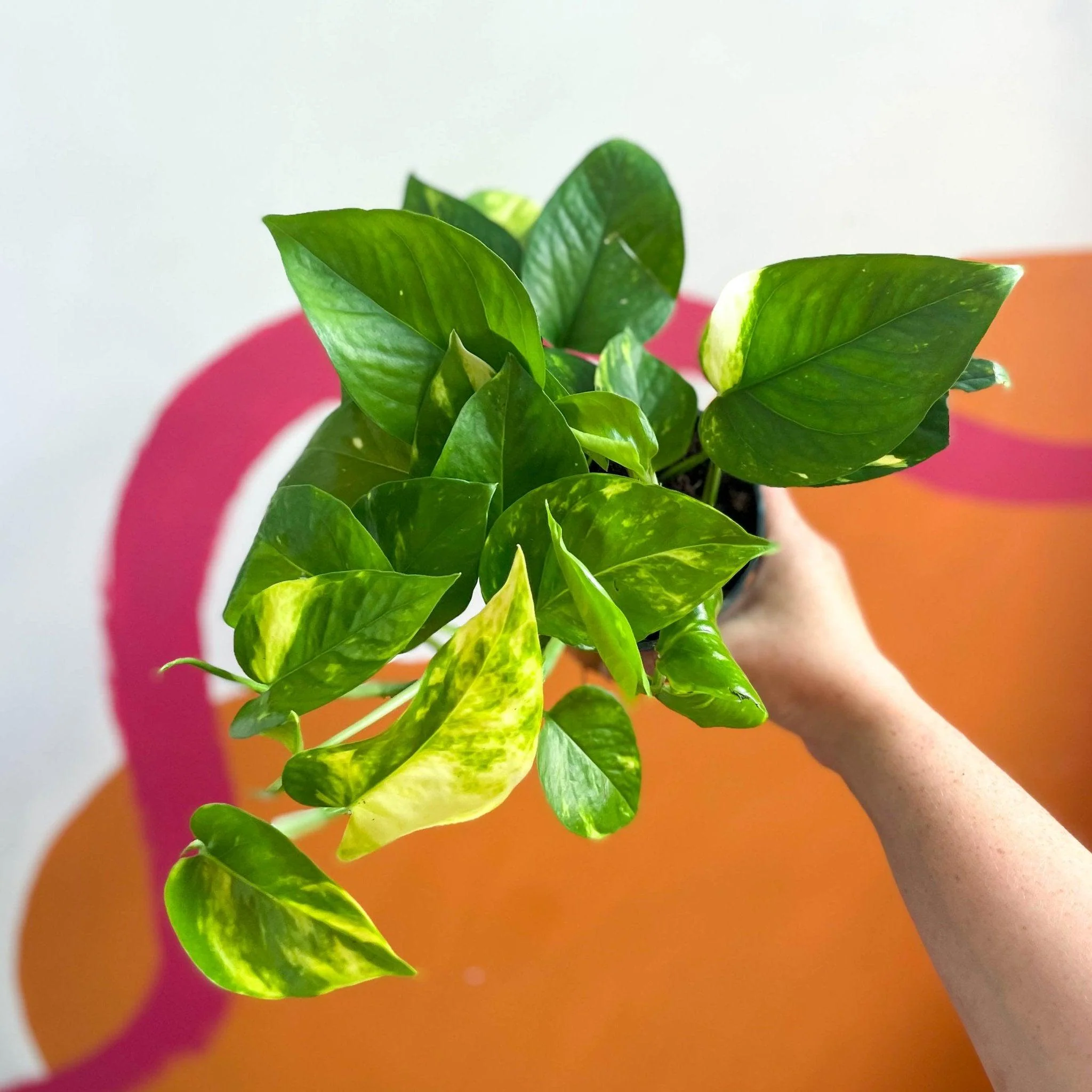
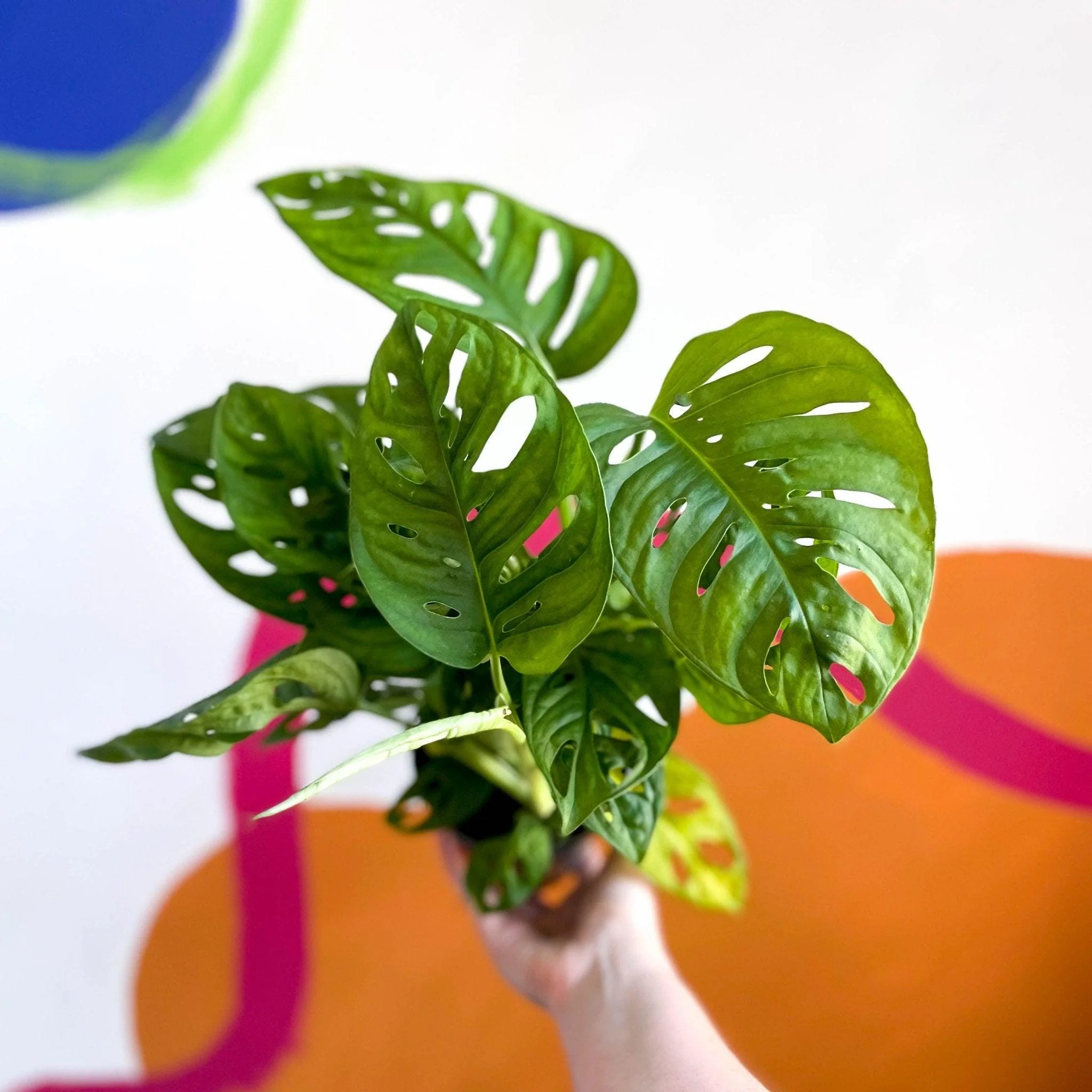
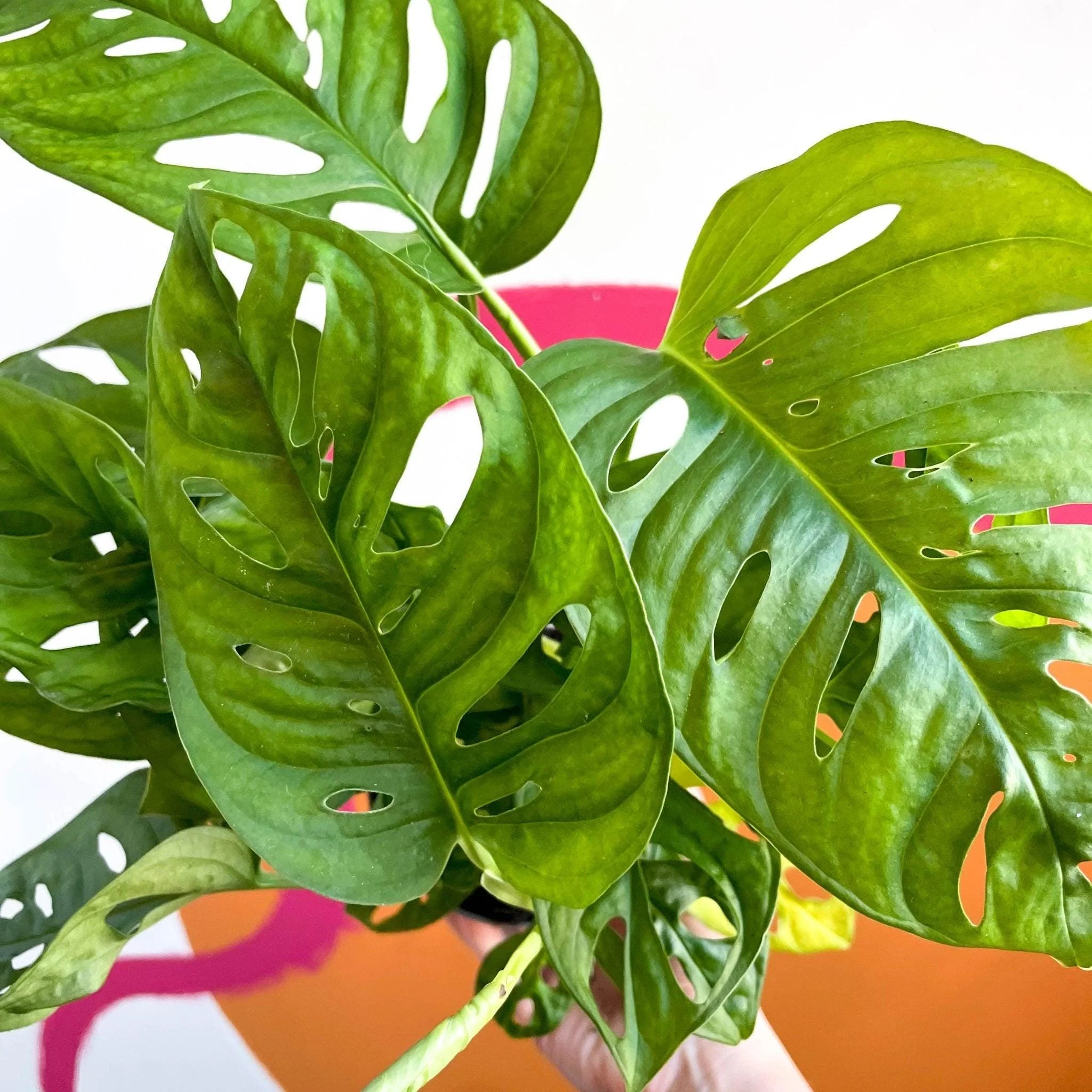
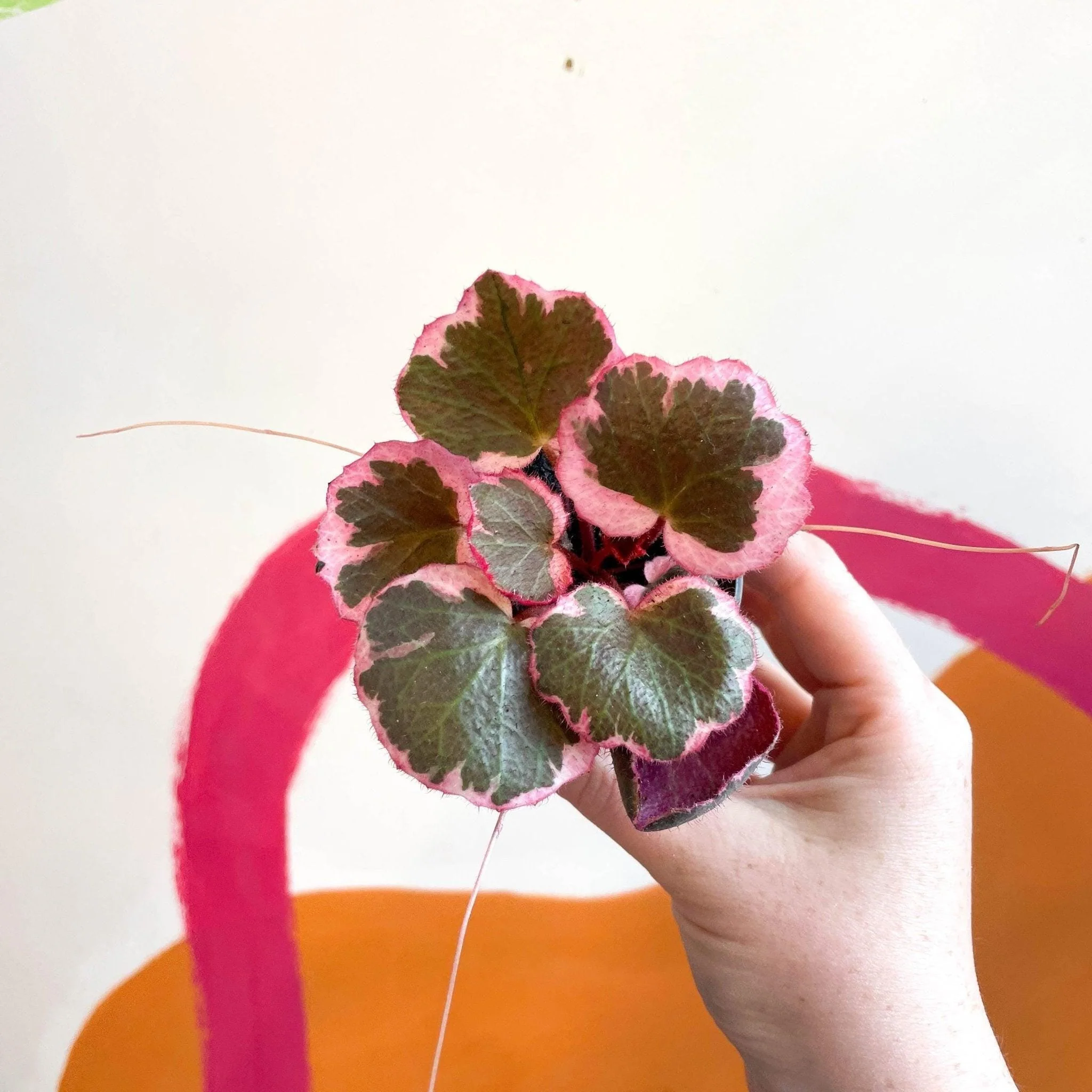
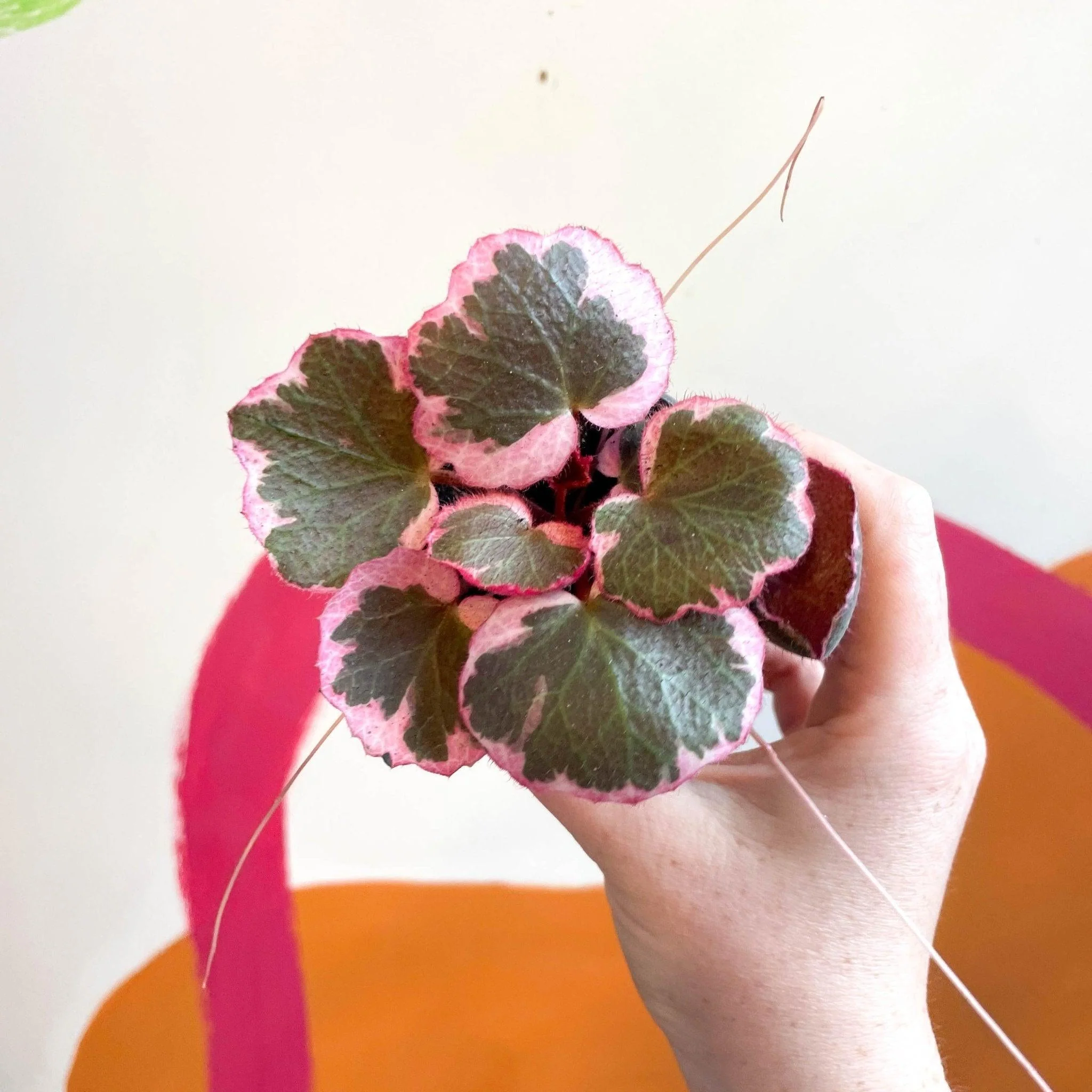
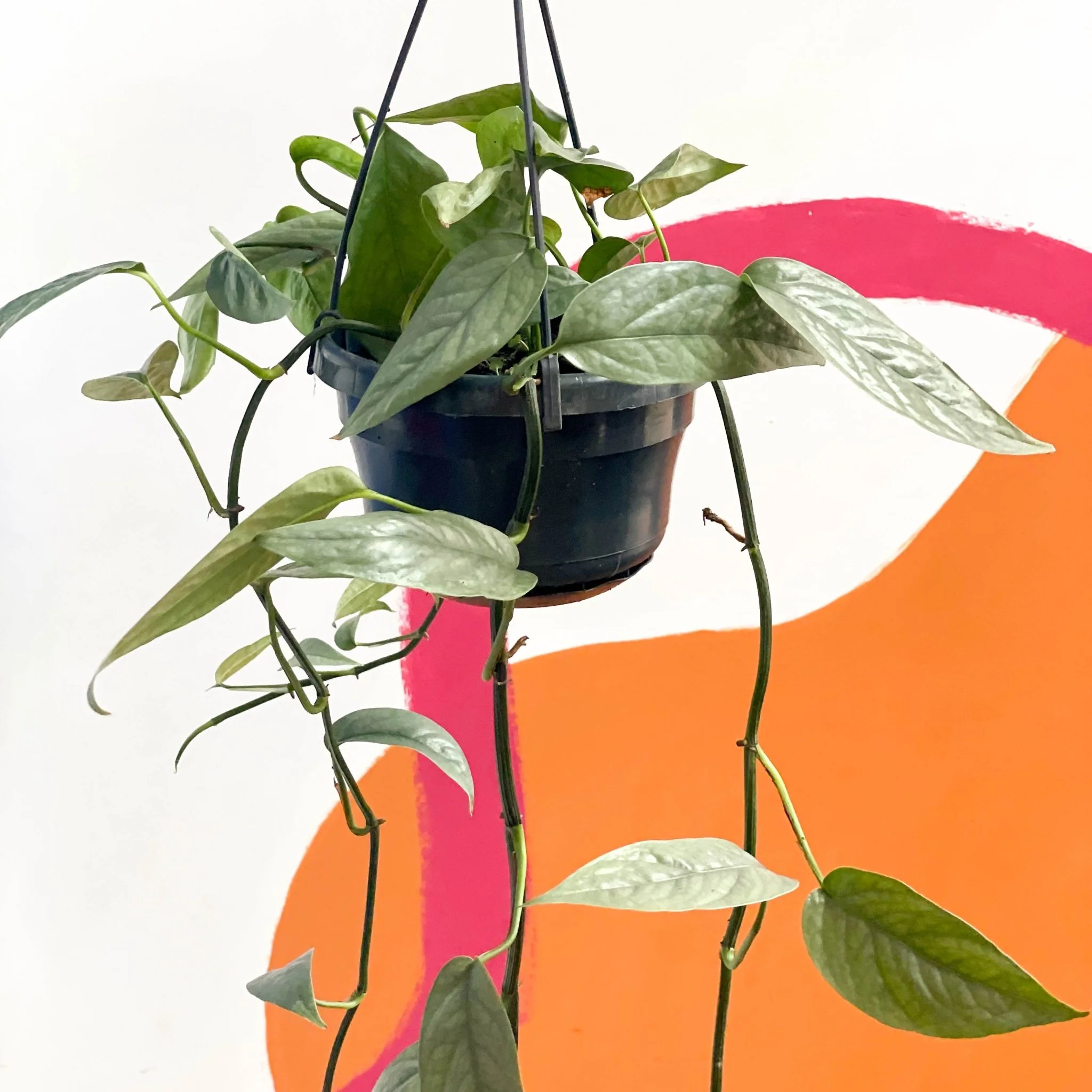
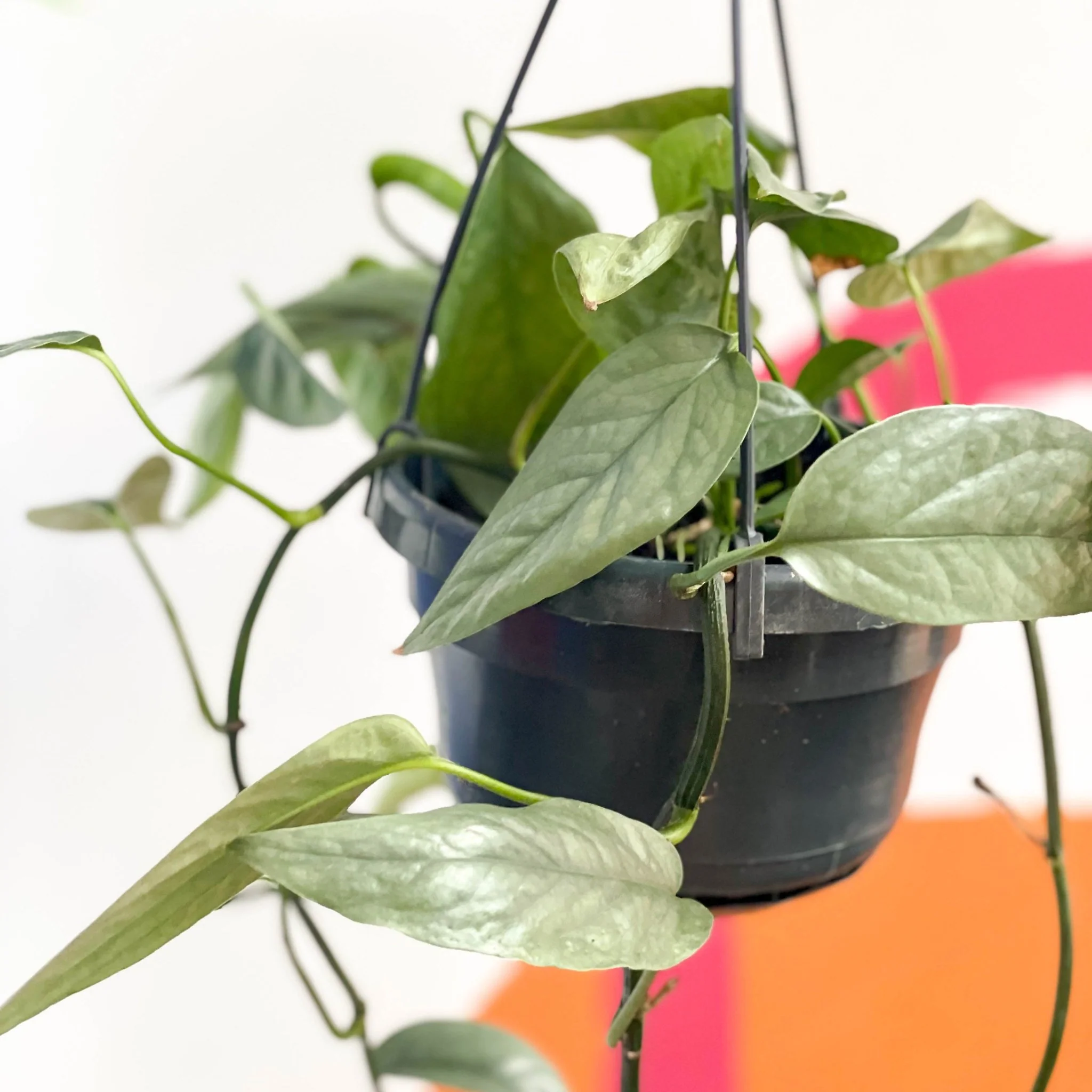
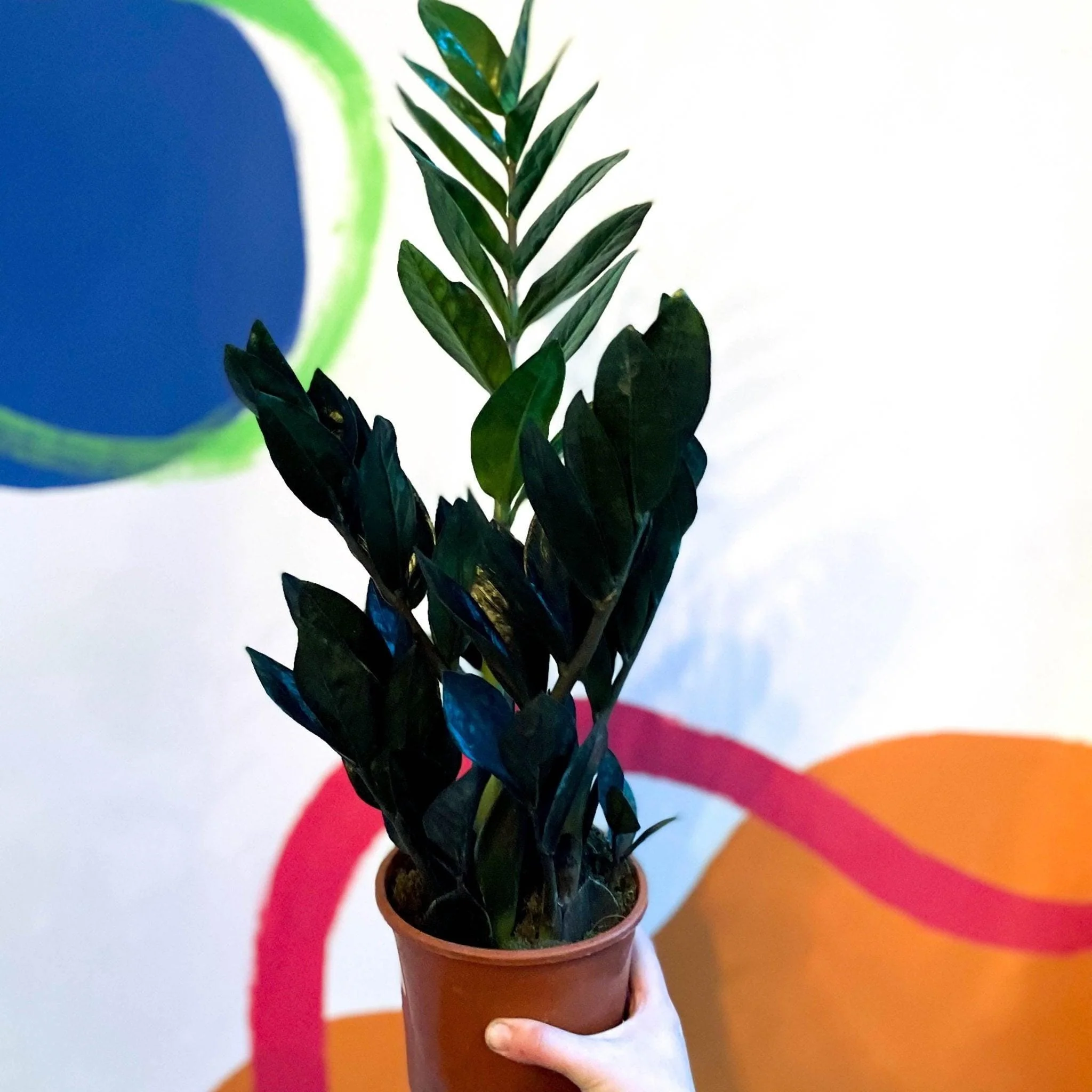
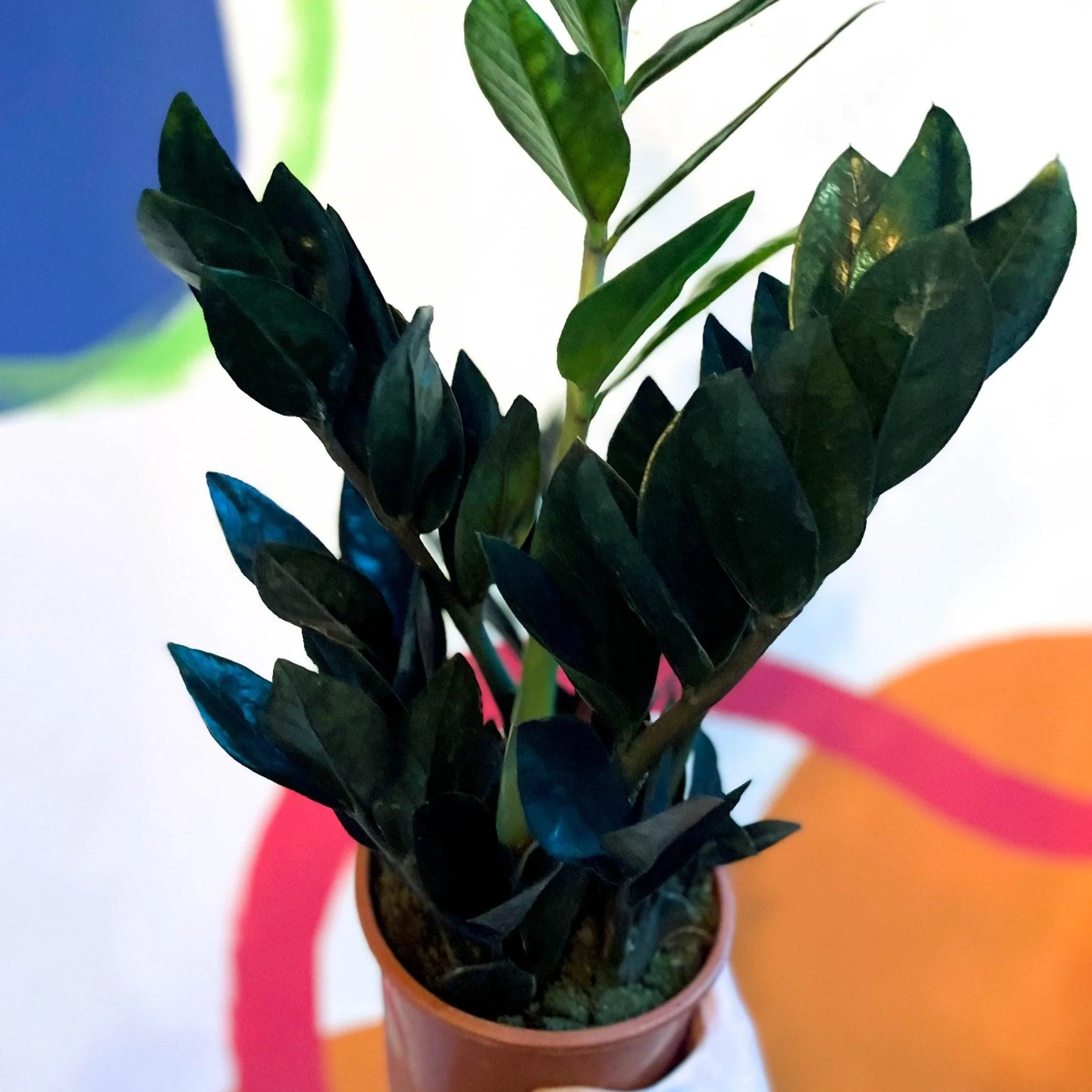
Kalanchoe ‘Mariko’ is a striking trailing succulent grown for its cascading stems and sculptural, fleshy foliage. This cultivar develops elegant hanging growth, making it ideal for shelves, hanging planters, or elevated pots where its stems can spill naturally over the edges. Like many members of the Kalanchoe genus, it is well adapted to dry conditions and bright light, making it a wonderfully low-maintenance houseplant with architectural appeal.
Scientific Name
Kalanchoe ‘Mariko’ (thick-leaved plant; cultivar: Mariko)
Common Name
Mariko Kalanchoe, Trailing Kalanchoe
Origin
Cultivar developed from species within the Kalanchoe genus, which are native primarily to Madagascar and tropical regions of Africa.
Light
Prefers bright light and will thrive in a sunny position indoors. A south or west-facing window is ideal. Some direct sun is beneficial, particularly in the morning or late afternoon, but avoid intense midday sun through glass which may scorch the leaves.
Water
Allow the soil to dry out completely between waterings. Water thoroughly, then allow excess water to drain away. During winter when growth slows, reduce watering further – the plant may only need watering every few weeks.
Humidity
Prefers normal household humidity and does not require high humidity. Avoid placing in very damp environments with poor airflow.
Soil
Use a very well-draining potting mix, ideally a cactus or succulent compost with added grit or perlite to prevent water retention around the roots.
Food
Feed every 4–6 waters during the growing season (spring to early autumn) with a balanced liquid houseplant fertiliser. Pause feeding in winter.
Temperature
Prefers temperatures between 16–26°C. Avoid cold draughts and temperatures below 10°C.
Pet-safe
Toxic if ingested, so keep out of reach of pets and children.
Sprouts Top Tips
Display this plant in a hanging planter or on a shelf where its stems can cascade freely – this shows off its natural trailing habit and keeps growth tidy.
Extras
Many Kalanchoe species store water in their thick leaves, an adaptation that helps them survive drought conditions in their native habitats.
Did You Know?
The genus name Kalanchoe is thought to originate from Chinese words meaning “that which falls and grows,” referring to the ability of some species to reproduce from small plantlets that develop on their leaves.
Product Information
Product Information
Shipping & Returns
Shipping & Returns
Description
Kalanchoe ‘Mariko’ is a striking trailing succulent grown for its cascading stems and sculptural, fleshy foliage. This cultivar develops elegant hanging growth, making it ideal for shelves, hanging planters, or elevated pots where its stems can spill naturally over the edges. Like many members of the Kalanchoe genus, it is well adapted to dry conditions and bright light, making it a wonderfully low-maintenance houseplant with architectural appeal.
Scientific Name
Kalanchoe ‘Mariko’ (thick-leaved plant; cultivar: Mariko)
Common Name
Mariko Kalanchoe, Trailing Kalanchoe
Origin
Cultivar developed from species within the Kalanchoe genus, which are native primarily to Madagascar and tropical regions of Africa.
Light
Prefers bright light and will thrive in a sunny position indoors. A south or west-facing window is ideal. Some direct sun is beneficial, particularly in the morning or late afternoon, but avoid intense midday sun through glass which may scorch the leaves.
Water
Allow the soil to dry out completely between waterings. Water thoroughly, then allow excess water to drain away. During winter when growth slows, reduce watering further – the plant may only need watering every few weeks.
Humidity
Prefers normal household humidity and does not require high humidity. Avoid placing in very damp environments with poor airflow.
Soil
Use a very well-draining potting mix, ideally a cactus or succulent compost with added grit or perlite to prevent water retention around the roots.
Food
Feed every 4–6 waters during the growing season (spring to early autumn) with a balanced liquid houseplant fertiliser. Pause feeding in winter.
Temperature
Prefers temperatures between 16–26°C. Avoid cold draughts and temperatures below 10°C.
Pet-safe
Toxic if ingested, so keep out of reach of pets and children.
Sprouts Top Tips
Display this plant in a hanging planter or on a shelf where its stems can cascade freely – this shows off its natural trailing habit and keeps growth tidy.
Extras
Many Kalanchoe species store water in their thick leaves, an adaptation that helps them survive drought conditions in their native habitats.
Did You Know?
The genus name Kalanchoe is thought to originate from Chinese words meaning “that which falls and grows,” referring to the ability of some species to reproduce from small plantlets that develop on their leaves.