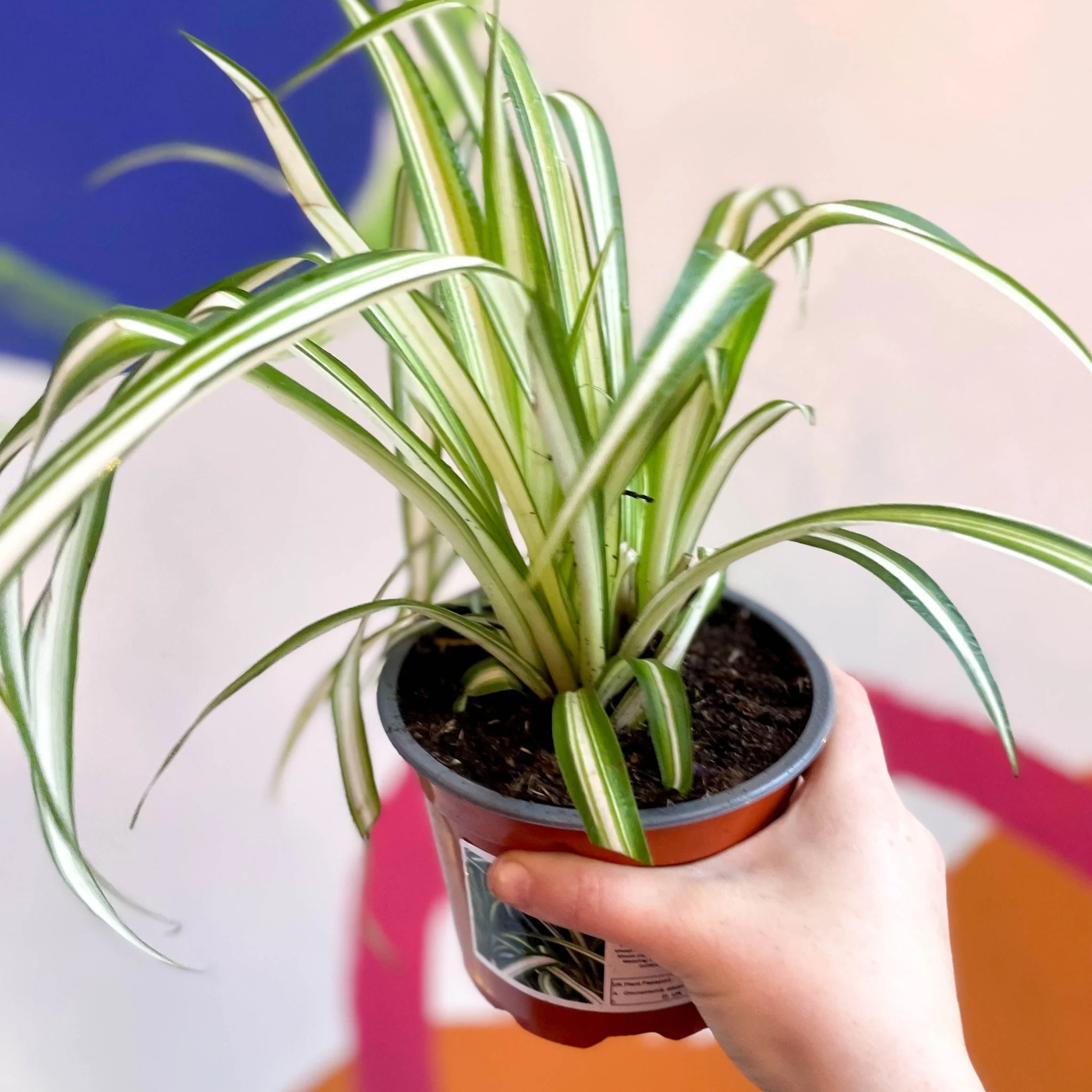
Digitalis purpurea 'Dalmatian Cream' - Foxgloves [British Grown Herbaceous Perennial]
A cream flower which grows on tall spikes above tidy clumps of light green foliage. Hardy throughout the UK down to -15°C.
These stunningly bright spikes of flowers will draw the eye in any garden- and make the biggest impact when planted in a small group of spikes.
|
Perennial |
Flower: tall stems/spikes |
Flowers June to July |
Scientific Name
Digitalis purpurea 'Dalmatian Cream' (purple, finger-like plant, variety: Dalmatian Cream)
Common Name
Foxglove
Origin
Foxgloves are native to Britain and Western Europe
Pruning Tips
Cut back the flower spikes after blooming to encourage more shoots
Wildlife Value
Pollinating butterflies and bees, especially bumblebees. Good food for moths and moth caterpillars, especially the Foxglove Pug.
Positioning
Full sun to partial shade.
Water
Keep moist- so water the soil in particularly dry weather.
Soil
Soil should be well-draining and moderately fertile
Food
Will benefit from fertilising in the growing season with a fertiliser high in potash, such as tomato fertiliser, especially if you're growing it in a pot.
Pet-safe
No, foxgloves are related to deadly nightshade and are toxic to humans and pets alike. Wear gloves when handling and wash after any contact.
Sprouts Top Tips
This is a dwarf variety, so can be grown as a bedding plant or in a container much more readily than other foxgloves, which need more space and grow much taller. Keep an eye on the plant in summer to make sure the soil stays moist.
Original: $13.14
-65%$13.14
$4.60Product Information
Product Information
Shipping & Returns
Shipping & Returns
Description
A cream flower which grows on tall spikes above tidy clumps of light green foliage. Hardy throughout the UK down to -15°C.
These stunningly bright spikes of flowers will draw the eye in any garden- and make the biggest impact when planted in a small group of spikes.
|
Perennial |
Flower: tall stems/spikes |
Flowers June to July |
Scientific Name
Digitalis purpurea 'Dalmatian Cream' (purple, finger-like plant, variety: Dalmatian Cream)
Common Name
Foxglove
Origin
Foxgloves are native to Britain and Western Europe
Pruning Tips
Cut back the flower spikes after blooming to encourage more shoots
Wildlife Value
Pollinating butterflies and bees, especially bumblebees. Good food for moths and moth caterpillars, especially the Foxglove Pug.
Positioning
Full sun to partial shade.
Water
Keep moist- so water the soil in particularly dry weather.
Soil
Soil should be well-draining and moderately fertile
Food
Will benefit from fertilising in the growing season with a fertiliser high in potash, such as tomato fertiliser, especially if you're growing it in a pot.
Pet-safe
No, foxgloves are related to deadly nightshade and are toxic to humans and pets alike. Wear gloves when handling and wash after any contact.
Sprouts Top Tips
This is a dwarf variety, so can be grown as a bedding plant or in a container much more readily than other foxgloves, which need more space and grow much taller. Keep an eye on the plant in summer to make sure the soil stays moist.