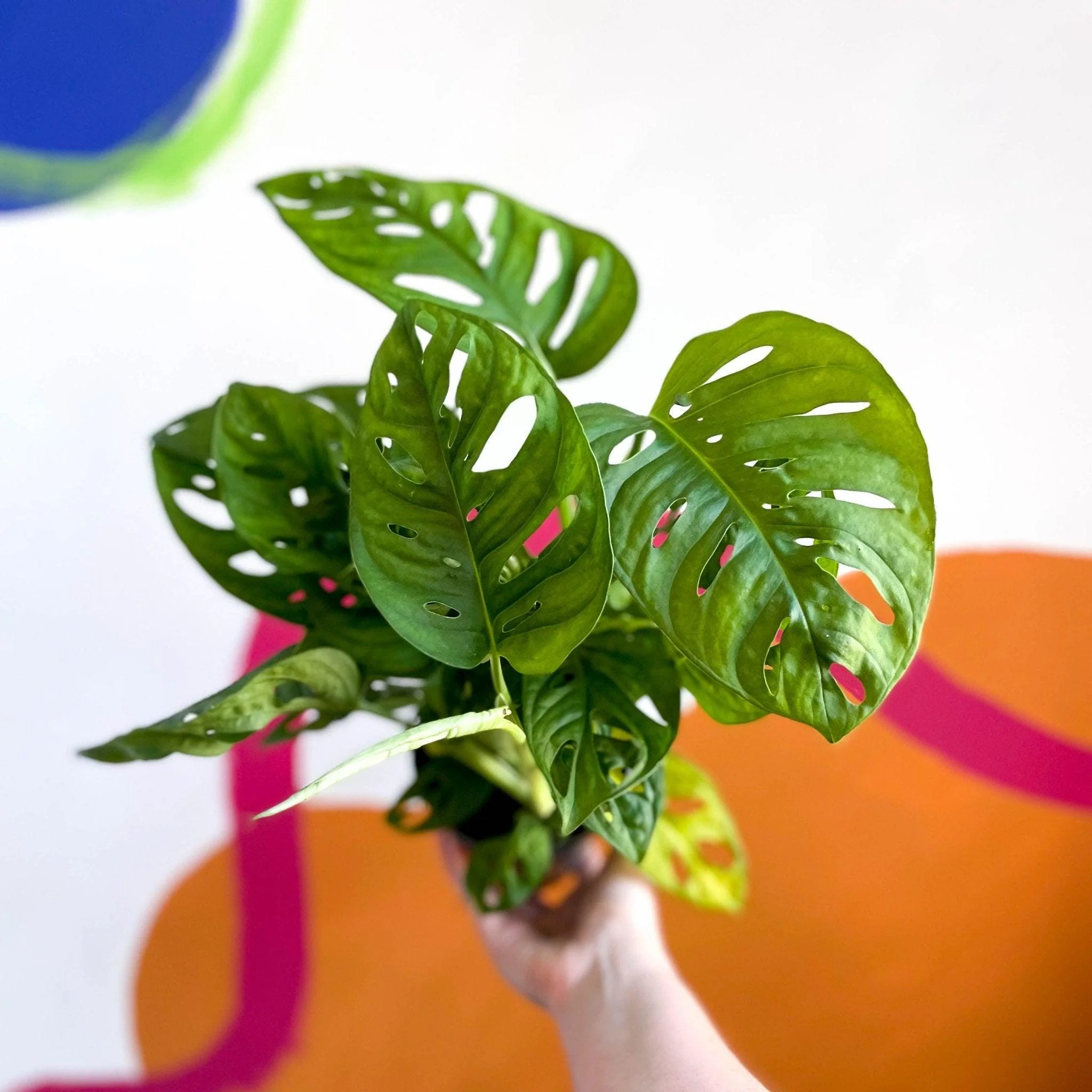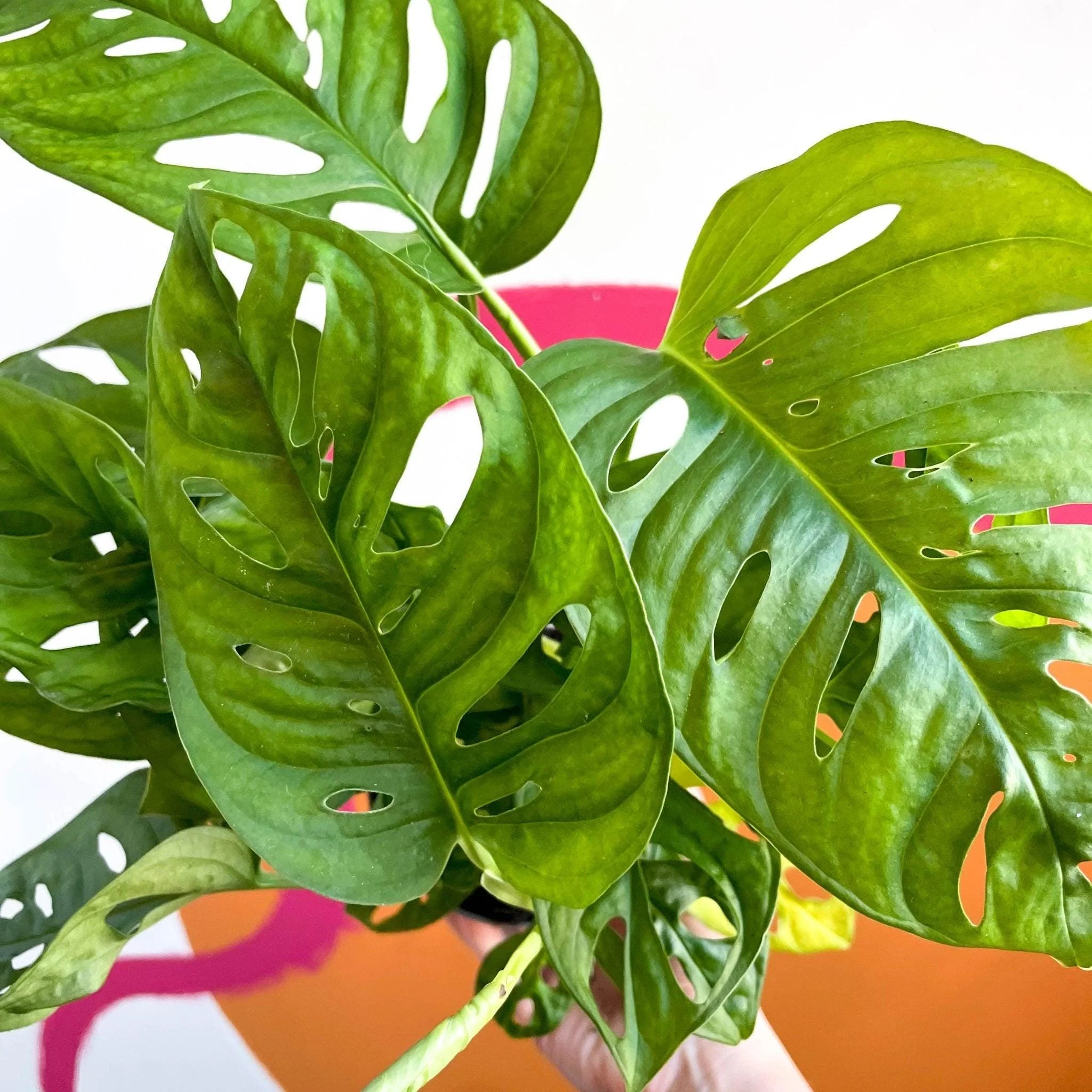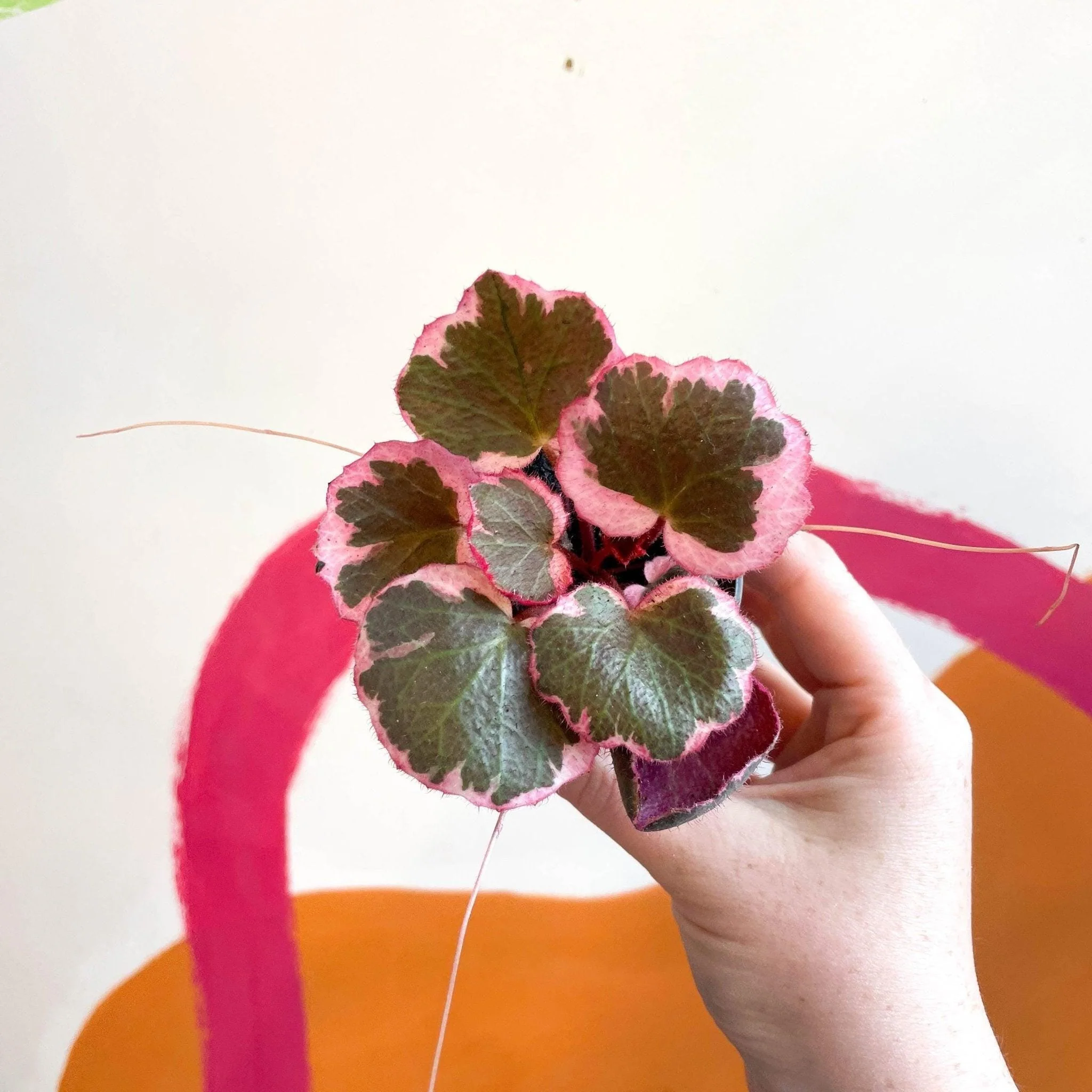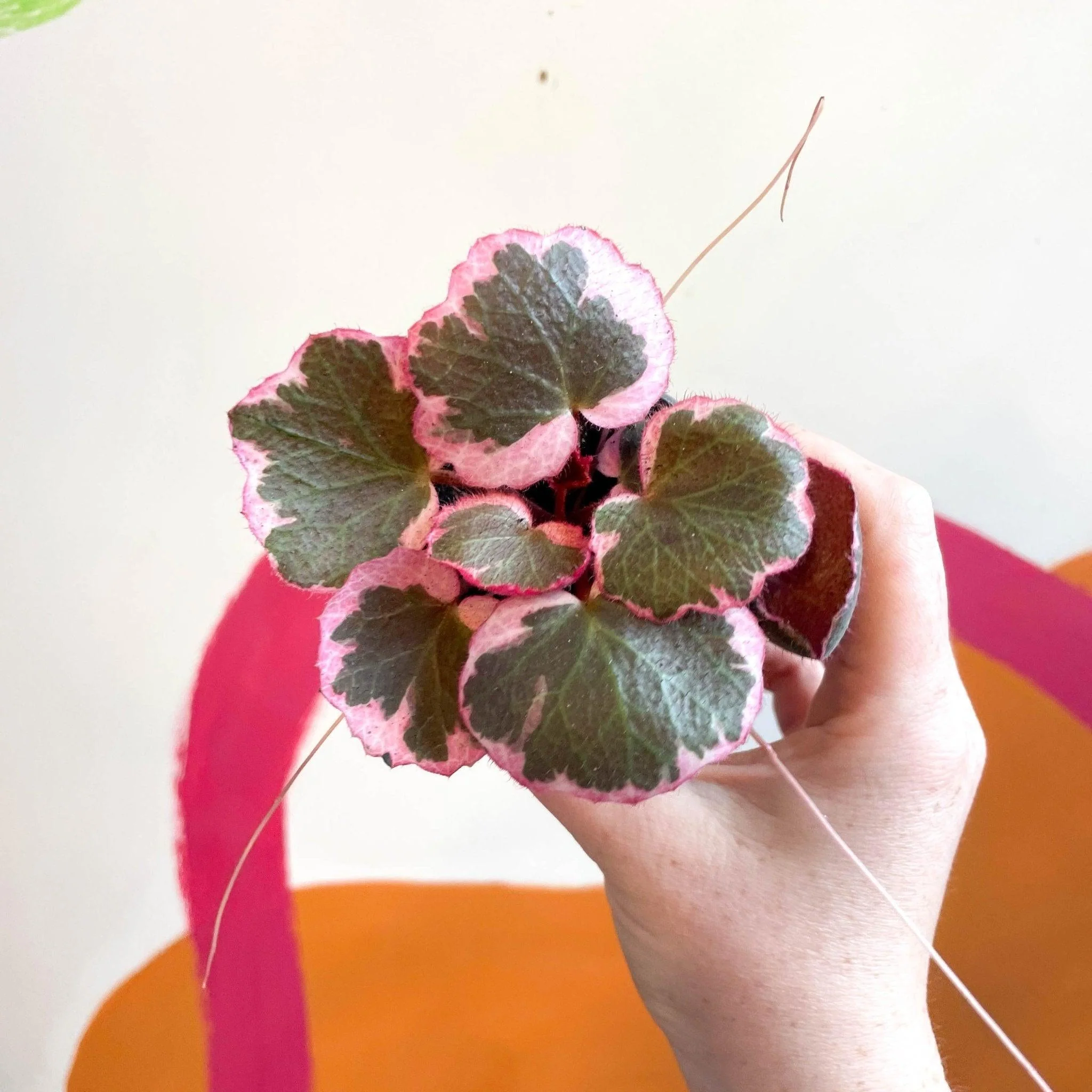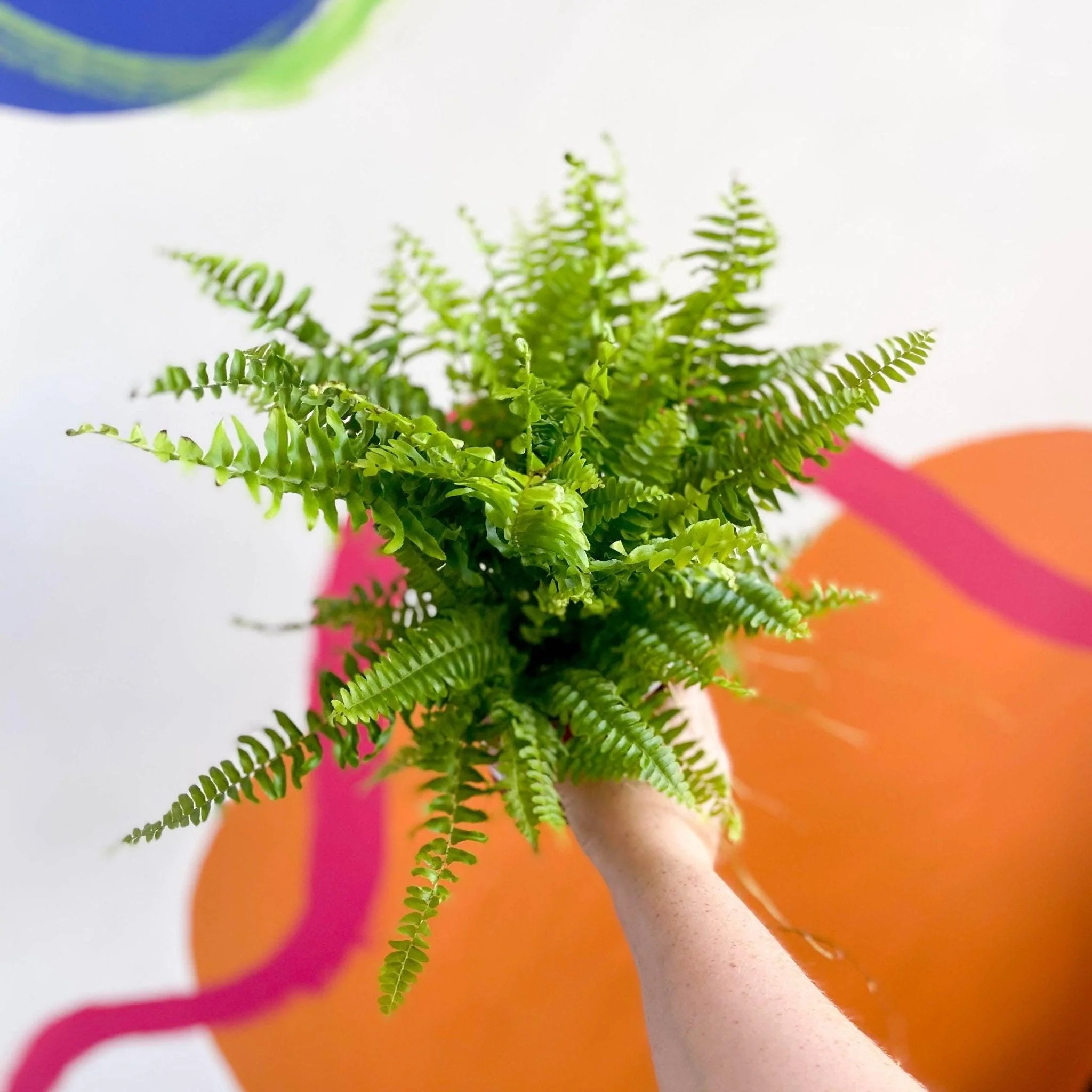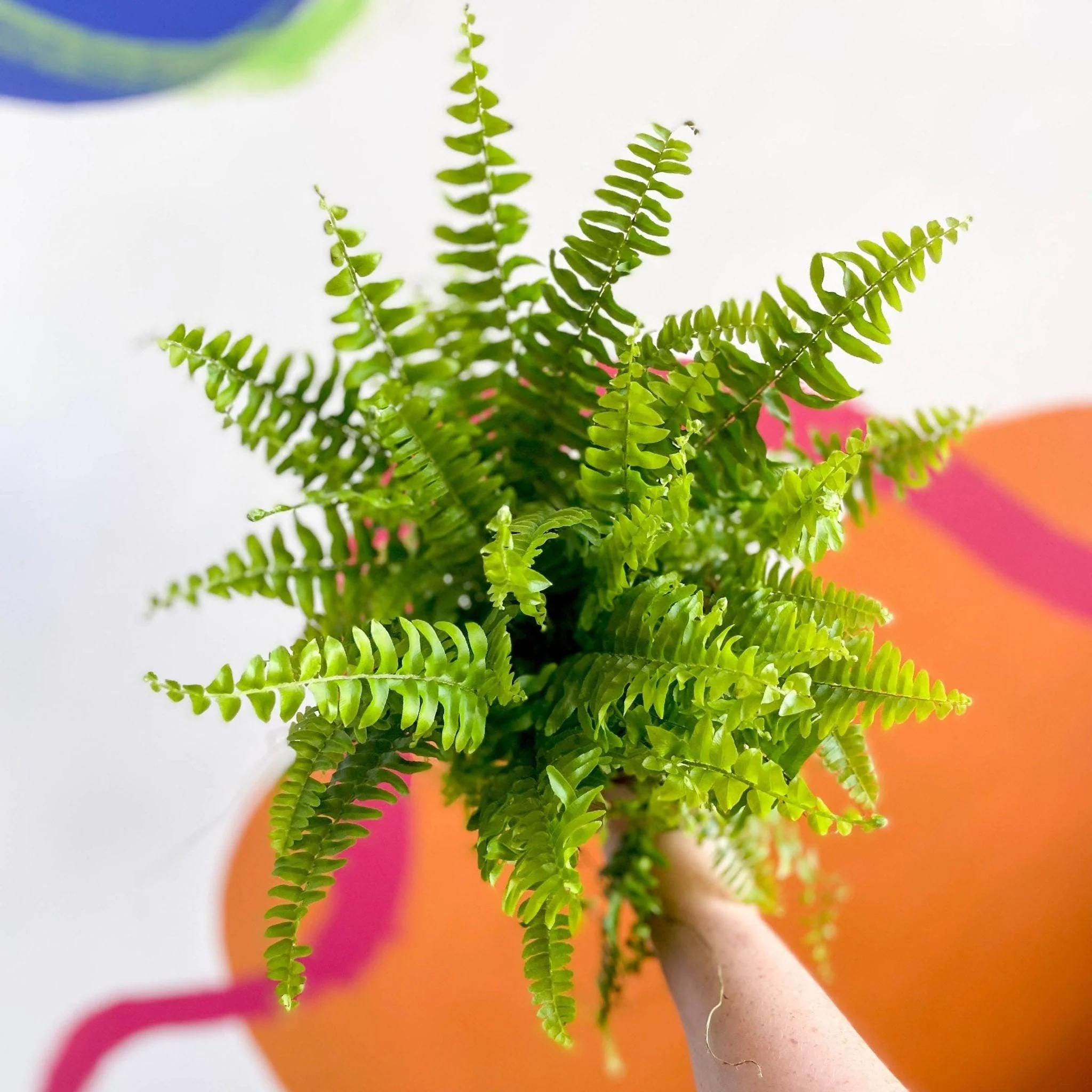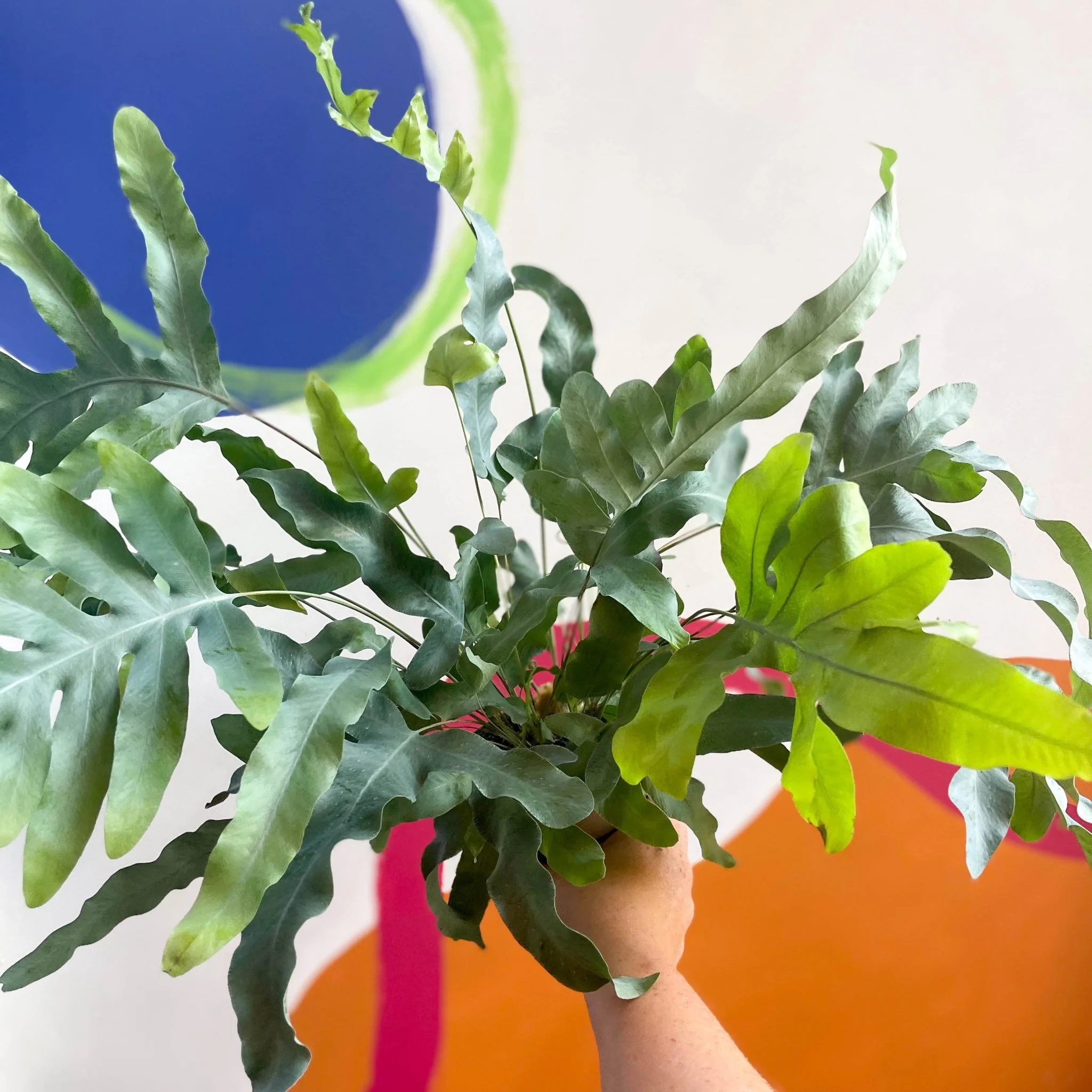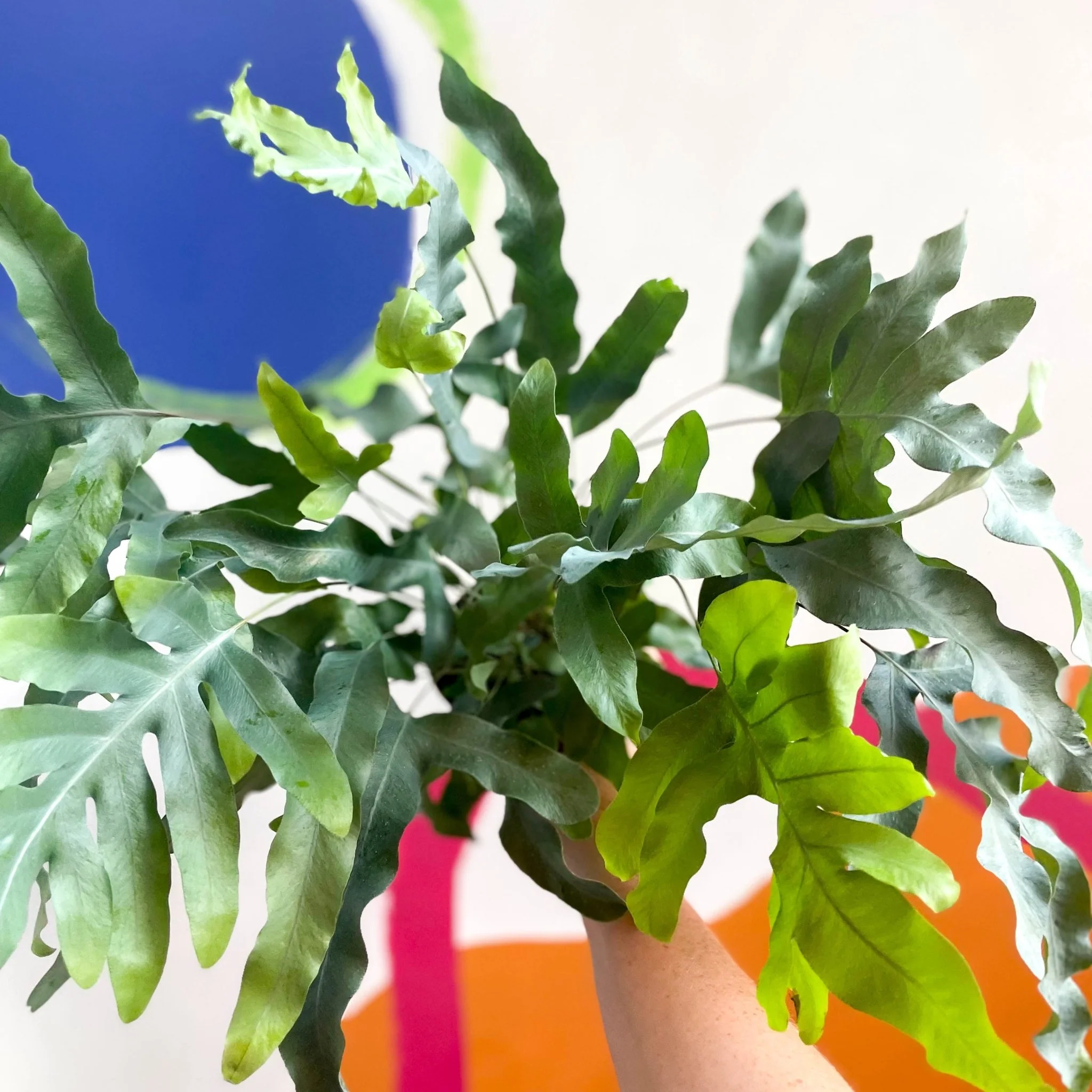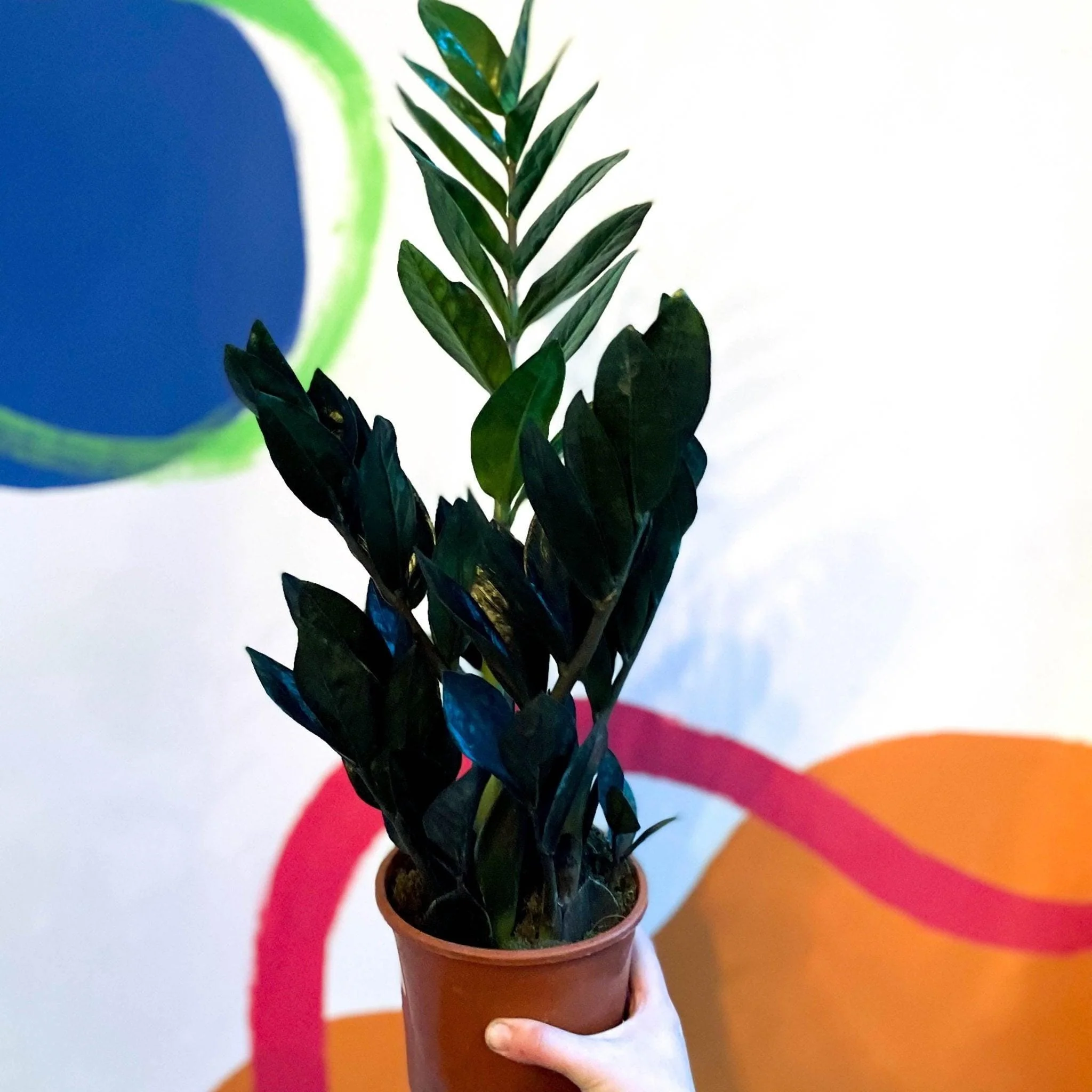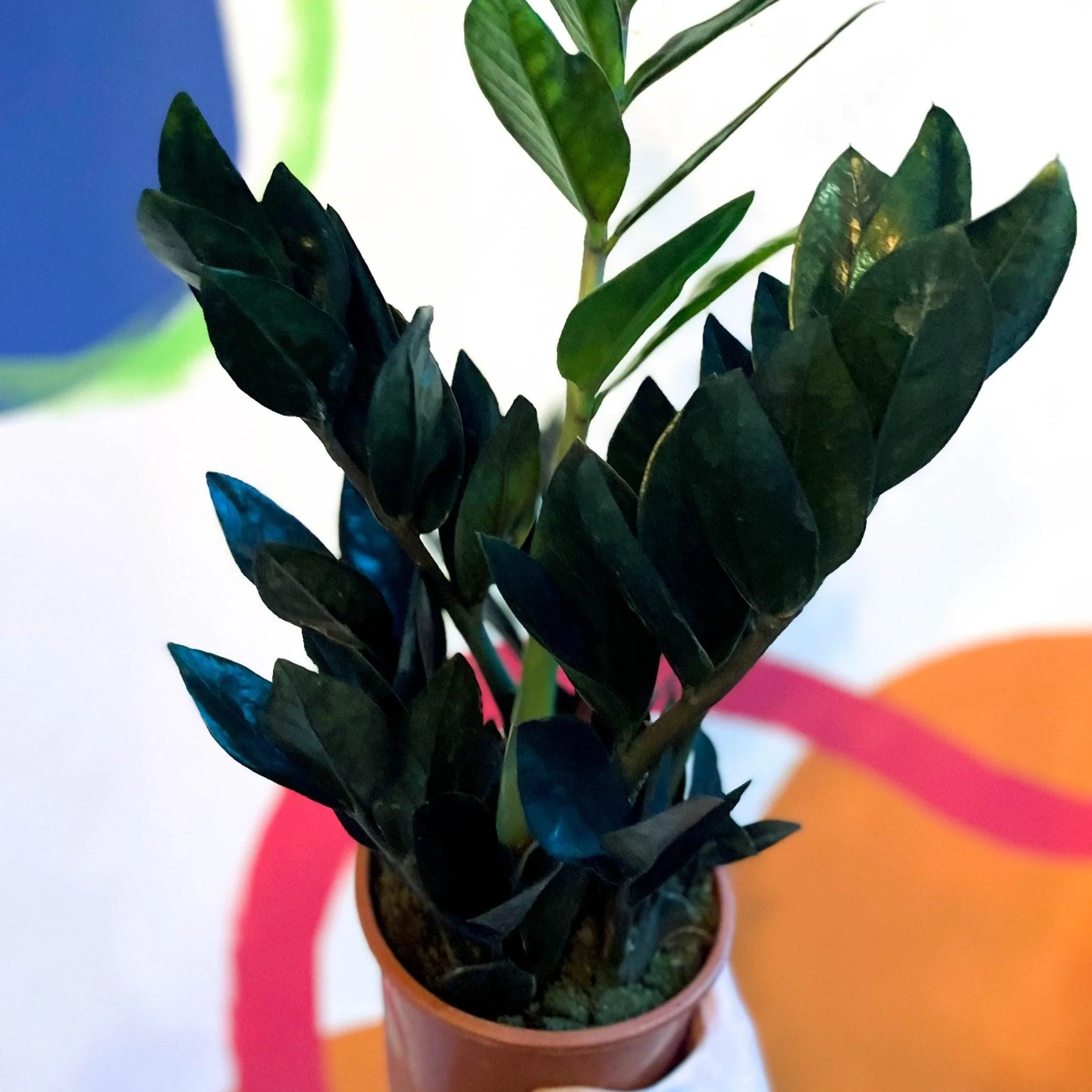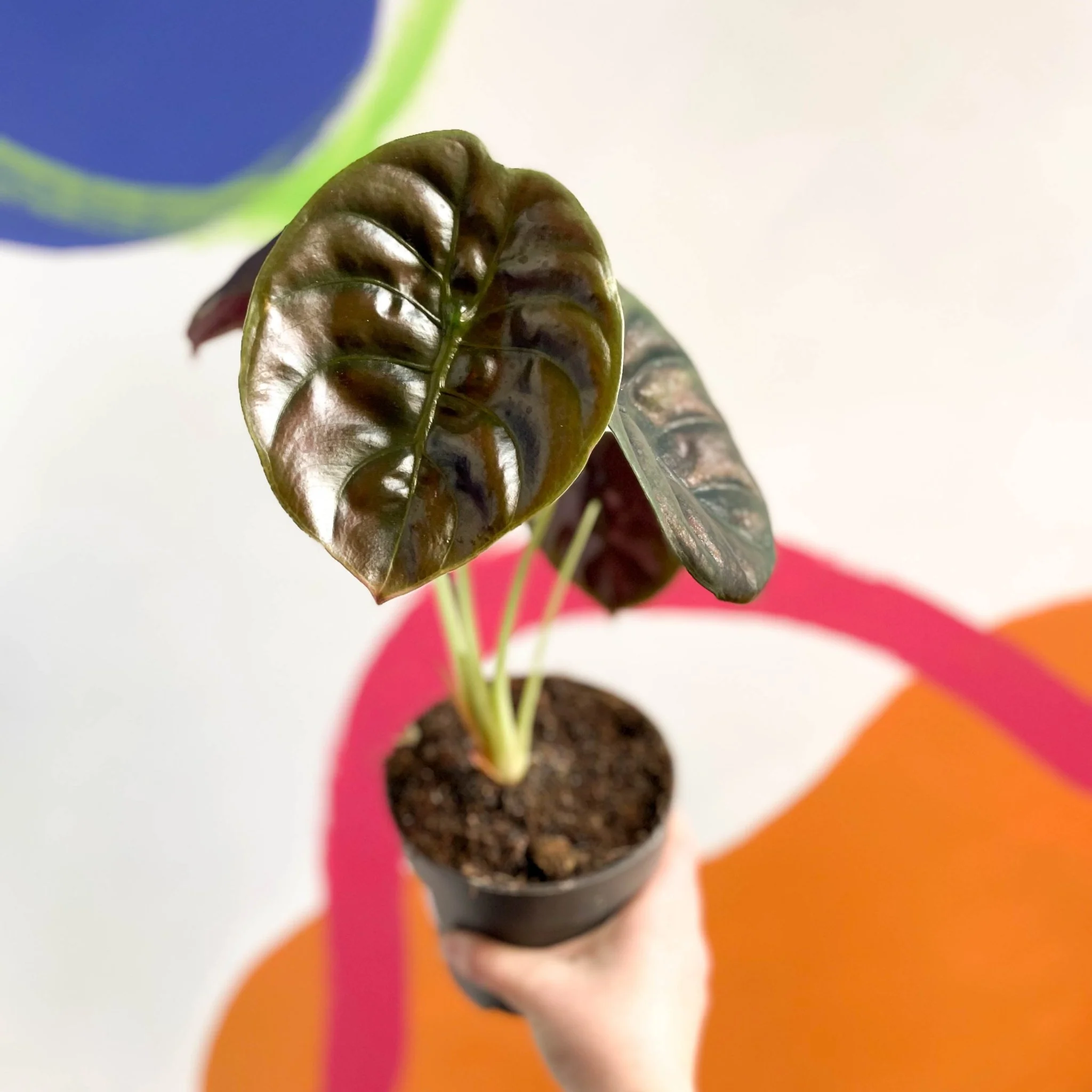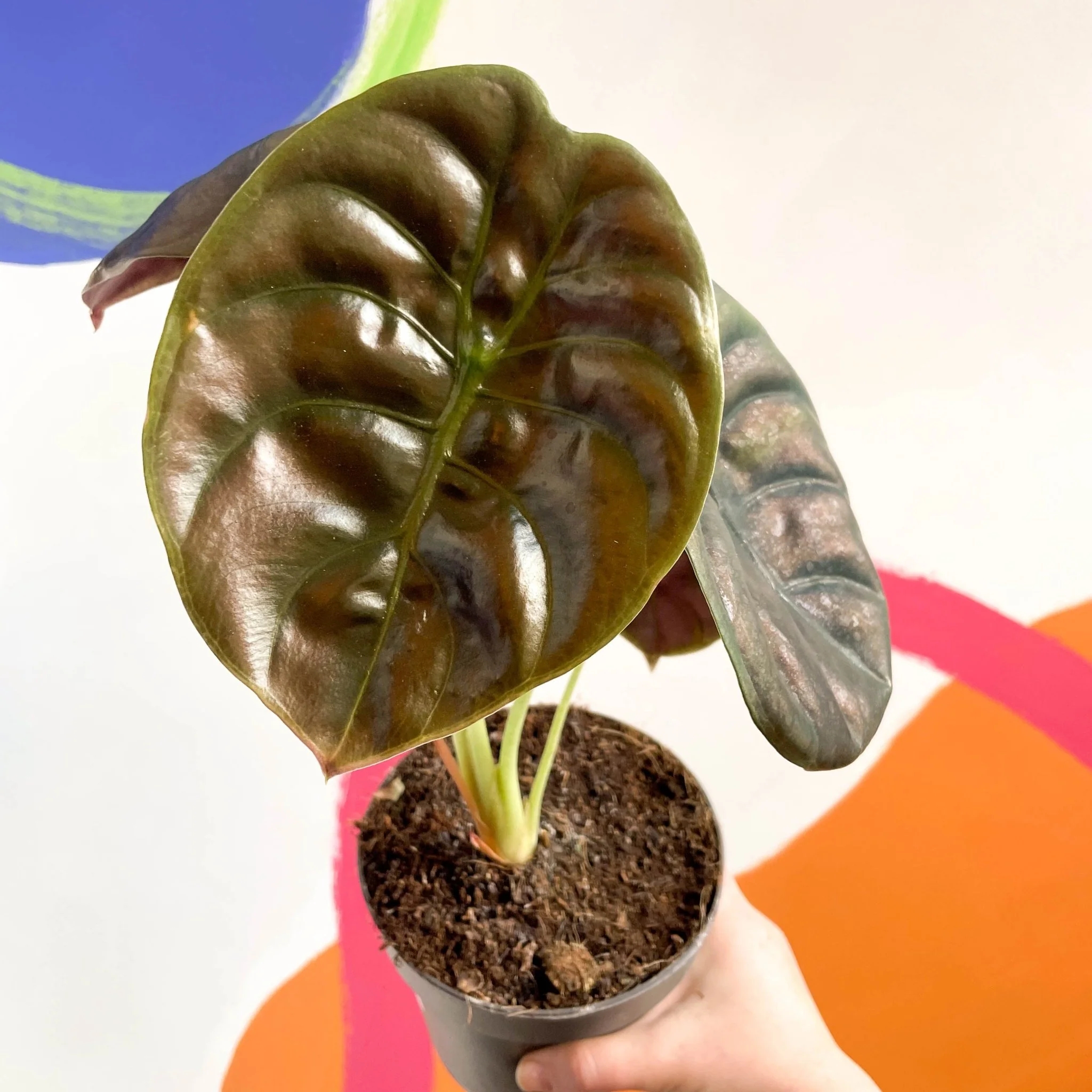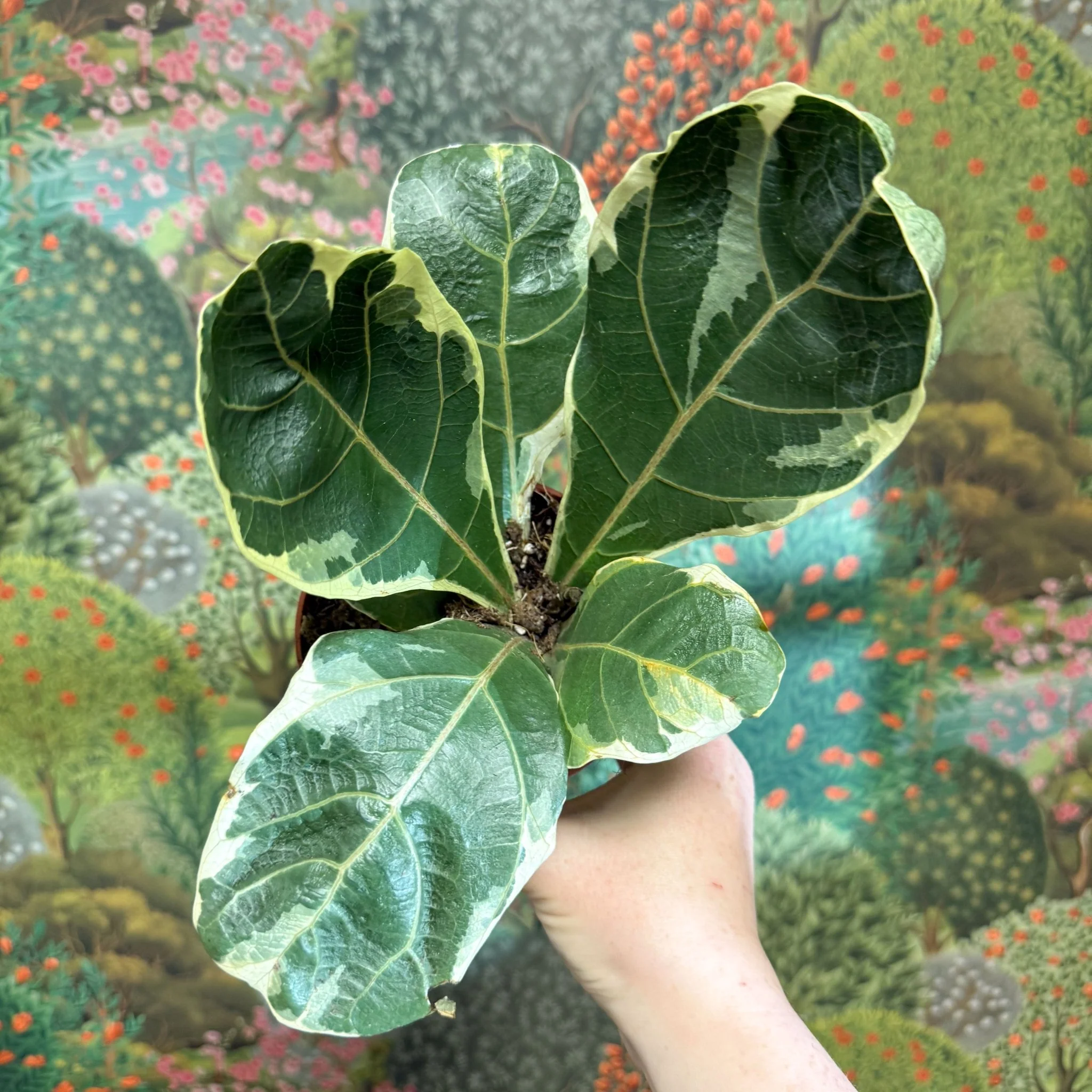
Ficus lyrata ‘Variegata’ – Variegated Fiddle-Leaf Fig
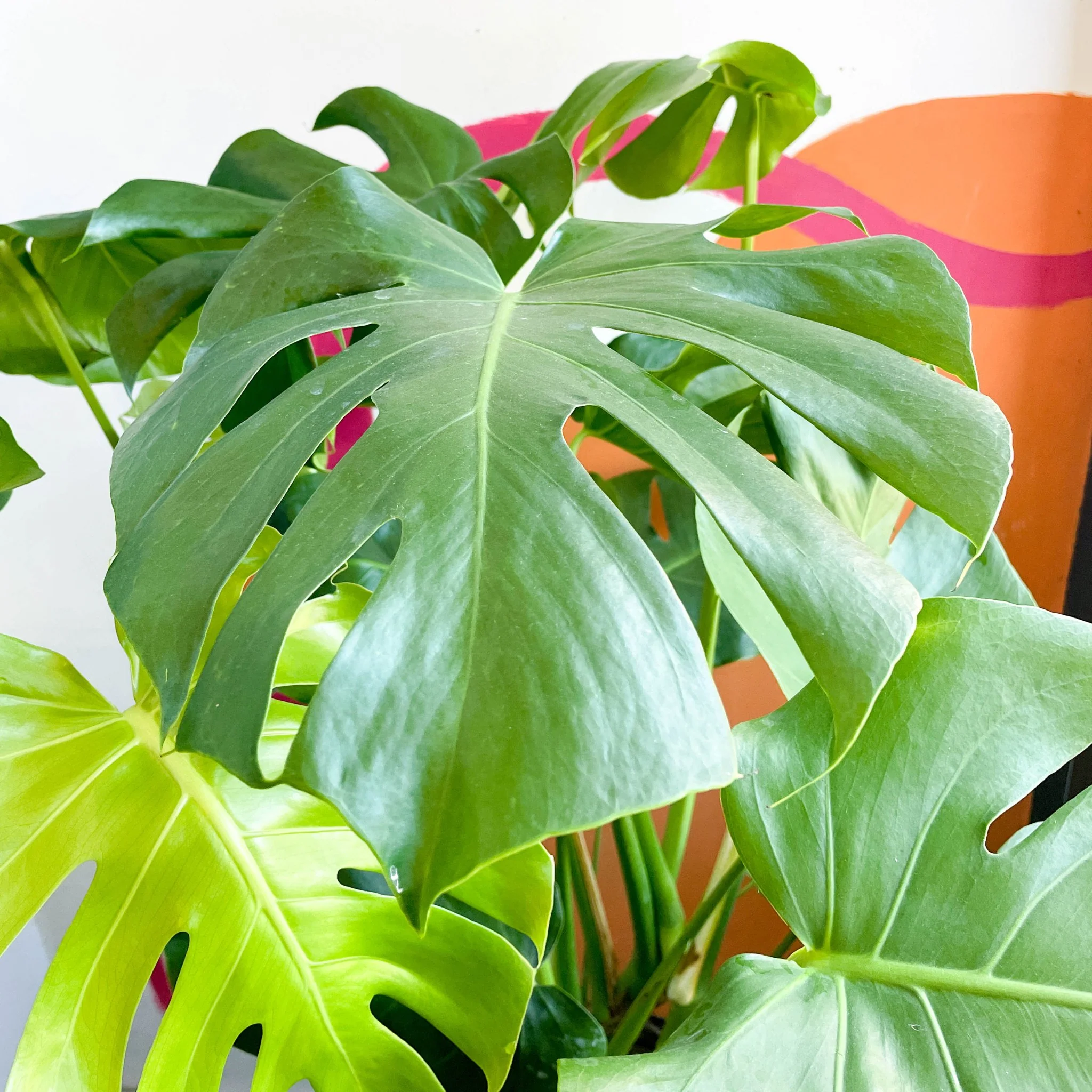
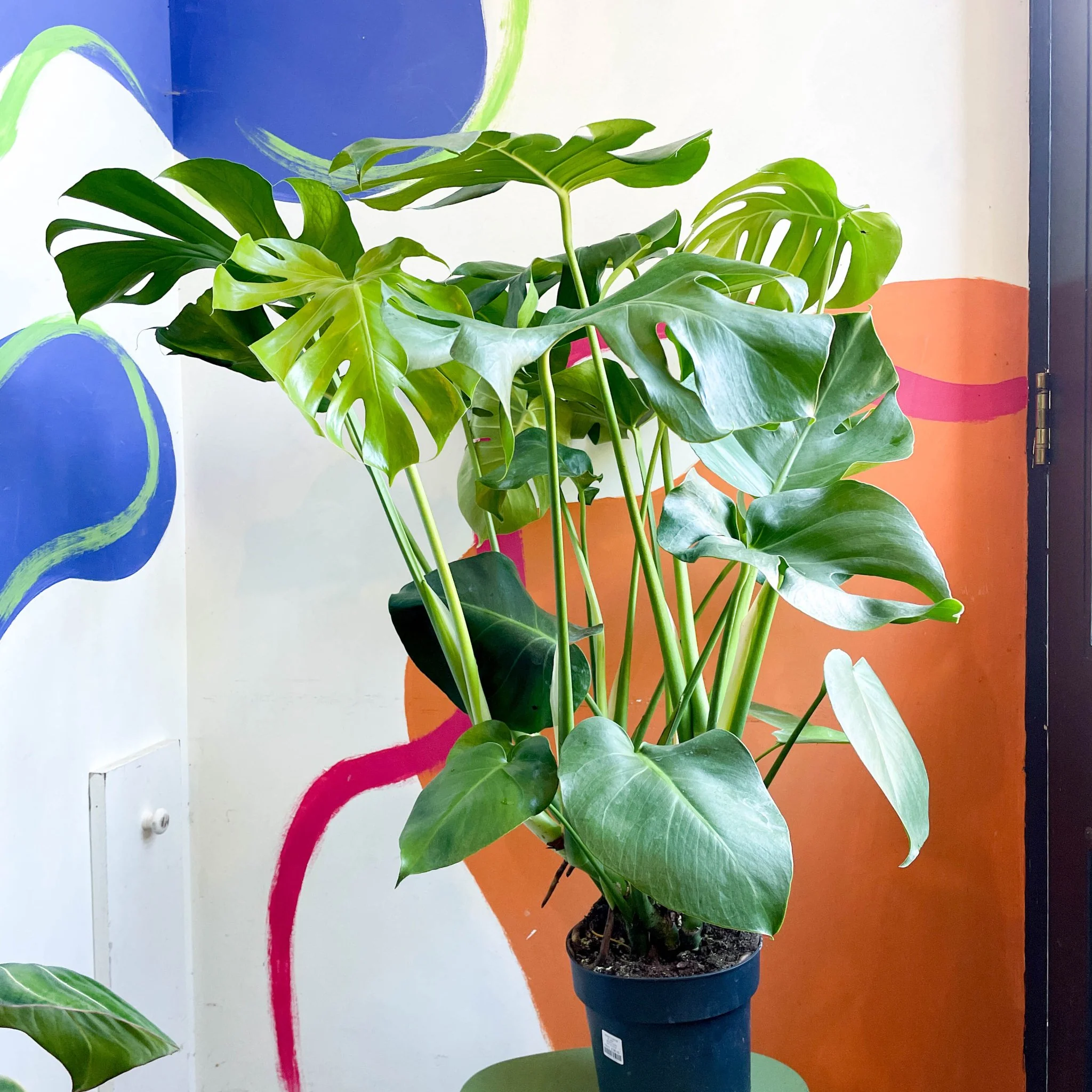
A striking and highly sought-after houseplant, Ficus lyrata ‘Variegata’ is a rare variegated form of the classic Fiddle-Leaf Fig. Its large, violin-shaped leaves feature beautiful marbled patterns of deep green, creamy white, and soft yellow, creating a bold architectural statement in any indoor space. The dramatic foliage and upright growth make it an eye-catching centrepiece plant for bright rooms.
Like the standard Fiddle-Leaf Fig, this plant belongs to the fig family and grows into a tall tree in its natural habitat. The variegated form tends to grow slightly more slowly and requires a little more light to maintain its striking leaf patterns. With stable conditions and bright light, it becomes an impressive and rewarding indoor plant.
Scientific Name
Ficus lyrata ‘Variegata’ (lyre-shaped fig)
The species Ficus lyrata was first described by the German botanist Otto Warburg in the late 19th century. The species name lyrata refers to the shape of the leaves, which resemble a lyre, a classical musical instrument.
Common Name
Variegated Fiddle-Leaf Fig
Origin
Derived from Ficus lyrata, which is native to tropical western Africa, particularly countries such as Cameroon and Sierra Leone where it grows in lowland rainforests.
Light
Requires bright, indirect light to maintain healthy growth and strong variegation. A position near a bright window with filtered sunlight is ideal. Avoid harsh midday sun which may scorch the leaves.
Water
Allow the top few centimetres of soil to dry between waterings. Water thoroughly and allow excess moisture to drain away. Reduce watering during winter when growth slows.
Humidity
Prefers moderate humidity. It will tolerate normal household conditions but benefits from occasional misting or being placed near other plants.
Soil
Use a well-draining houseplant mix rich in organic matter. A blend containing bark, perlite, and coco coir works well to keep roots healthy.
Food
Feed every 4 weeks during the growing season with a balanced liquid houseplant fertiliser. Pause feeding during winter.
Temperature
Thrives in temperatures between 18–27°C. Avoid temperatures below 12°C and protect from cold drafts.
Pet-safe
Toxic if ingested, so keep out of reach of pets and children.
Sprouts Top Tips
Rotate the plant every few weeks so all sides receive light, helping the plant grow evenly and preventing it from leaning towards the window.
Extras
Variegated forms of Ficus lyrata grow more slowly than the standard green variety and may need particularly bright conditions to maintain their leaf colouring.
Did You Know?
In the wild, Ficus lyrata can grow over 12 metres tall and forms part of the forest canopy in tropical West Africa.
Product Information
Product Information
Shipping & Returns
Shipping & Returns
Description
A striking and highly sought-after houseplant, Ficus lyrata ‘Variegata’ is a rare variegated form of the classic Fiddle-Leaf Fig. Its large, violin-shaped leaves feature beautiful marbled patterns of deep green, creamy white, and soft yellow, creating a bold architectural statement in any indoor space. The dramatic foliage and upright growth make it an eye-catching centrepiece plant for bright rooms.
Like the standard Fiddle-Leaf Fig, this plant belongs to the fig family and grows into a tall tree in its natural habitat. The variegated form tends to grow slightly more slowly and requires a little more light to maintain its striking leaf patterns. With stable conditions and bright light, it becomes an impressive and rewarding indoor plant.
Scientific Name
Ficus lyrata ‘Variegata’ (lyre-shaped fig)
The species Ficus lyrata was first described by the German botanist Otto Warburg in the late 19th century. The species name lyrata refers to the shape of the leaves, which resemble a lyre, a classical musical instrument.
Common Name
Variegated Fiddle-Leaf Fig
Origin
Derived from Ficus lyrata, which is native to tropical western Africa, particularly countries such as Cameroon and Sierra Leone where it grows in lowland rainforests.
Light
Requires bright, indirect light to maintain healthy growth and strong variegation. A position near a bright window with filtered sunlight is ideal. Avoid harsh midday sun which may scorch the leaves.
Water
Allow the top few centimetres of soil to dry between waterings. Water thoroughly and allow excess moisture to drain away. Reduce watering during winter when growth slows.
Humidity
Prefers moderate humidity. It will tolerate normal household conditions but benefits from occasional misting or being placed near other plants.
Soil
Use a well-draining houseplant mix rich in organic matter. A blend containing bark, perlite, and coco coir works well to keep roots healthy.
Food
Feed every 4 weeks during the growing season with a balanced liquid houseplant fertiliser. Pause feeding during winter.
Temperature
Thrives in temperatures between 18–27°C. Avoid temperatures below 12°C and protect from cold drafts.
Pet-safe
Toxic if ingested, so keep out of reach of pets and children.
Sprouts Top Tips
Rotate the plant every few weeks so all sides receive light, helping the plant grow evenly and preventing it from leaning towards the window.
Extras
Variegated forms of Ficus lyrata grow more slowly than the standard green variety and may need particularly bright conditions to maintain their leaf colouring.
Did You Know?
In the wild, Ficus lyrata can grow over 12 metres tall and forms part of the forest canopy in tropical West Africa.