Cryptanthus zonatus – Earth Star
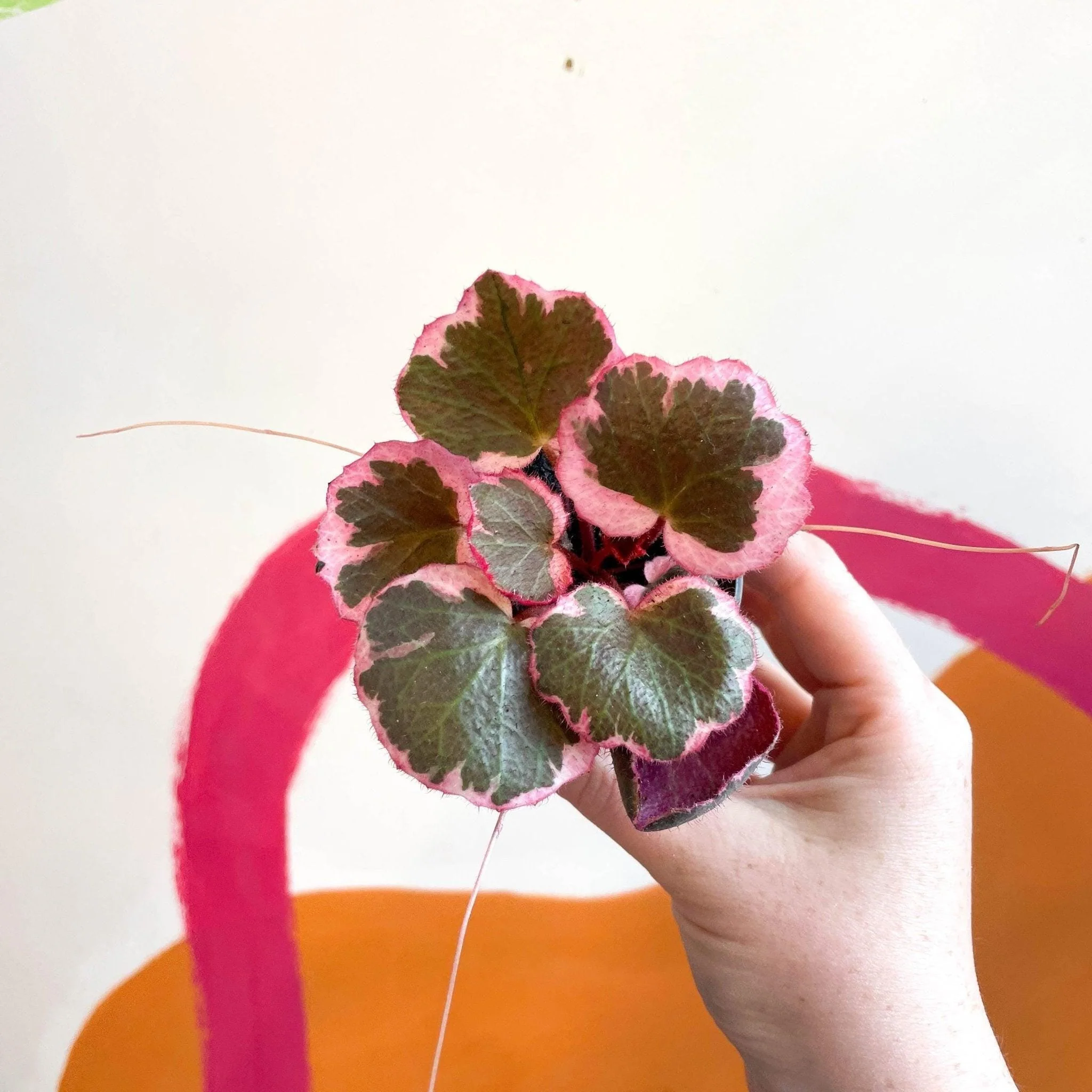
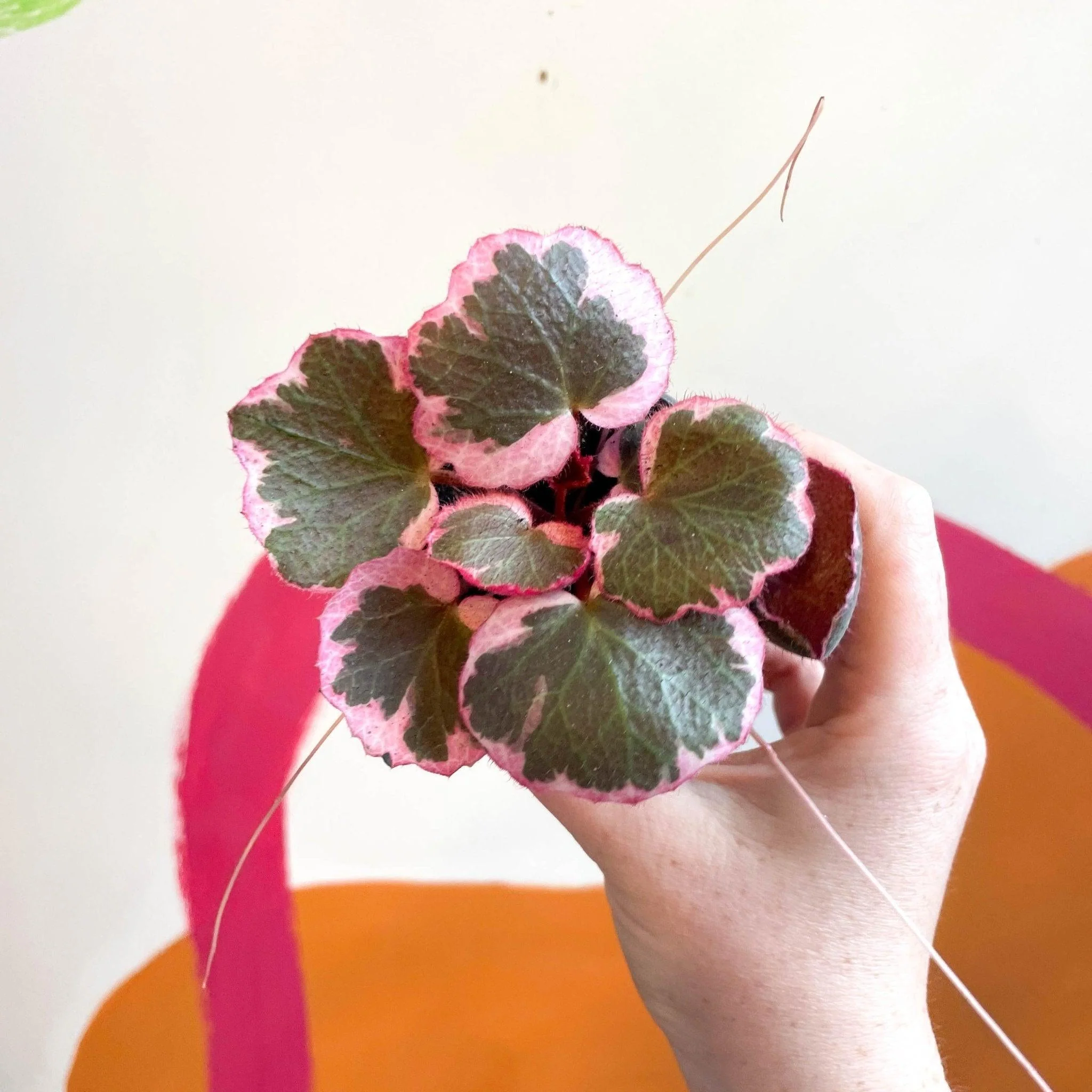
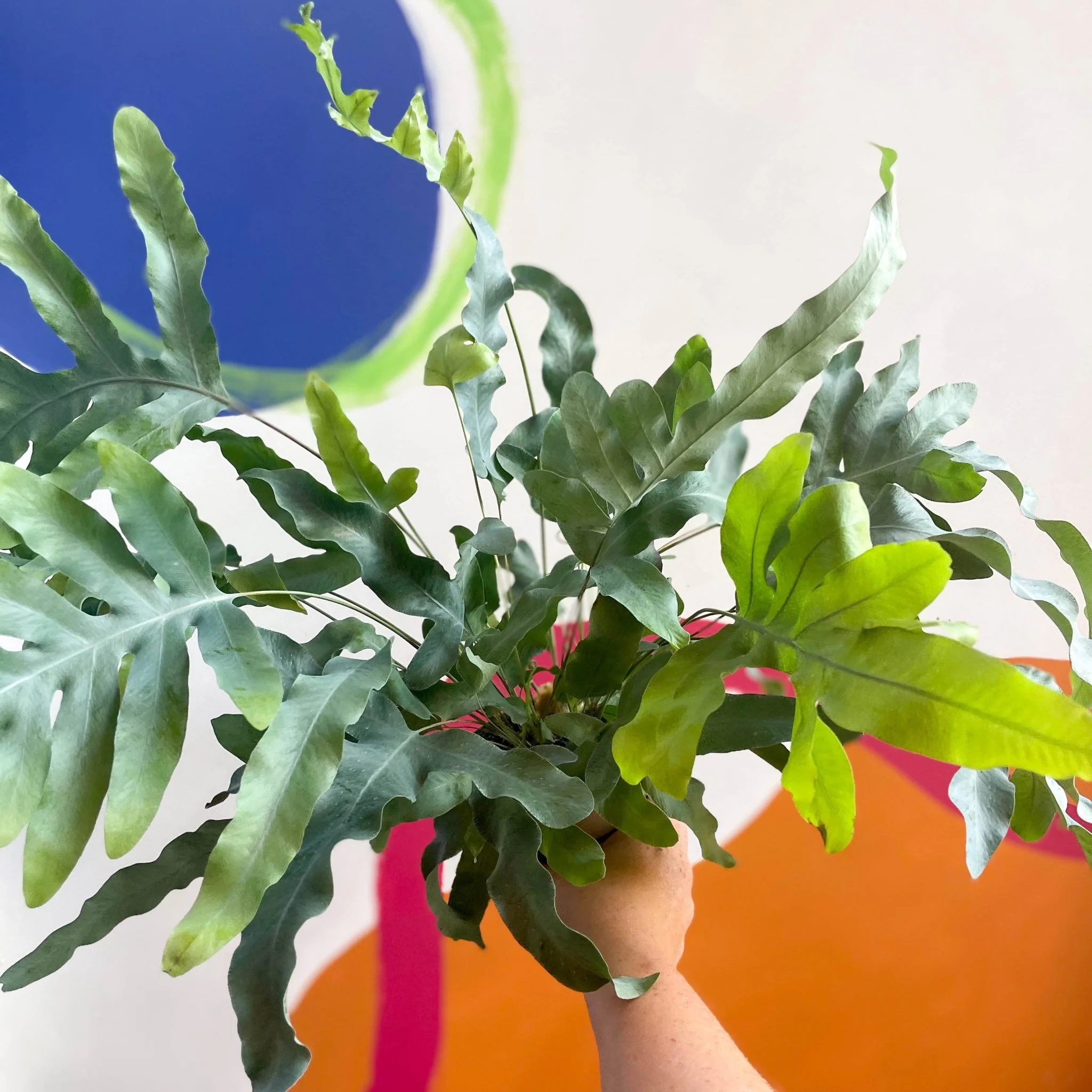
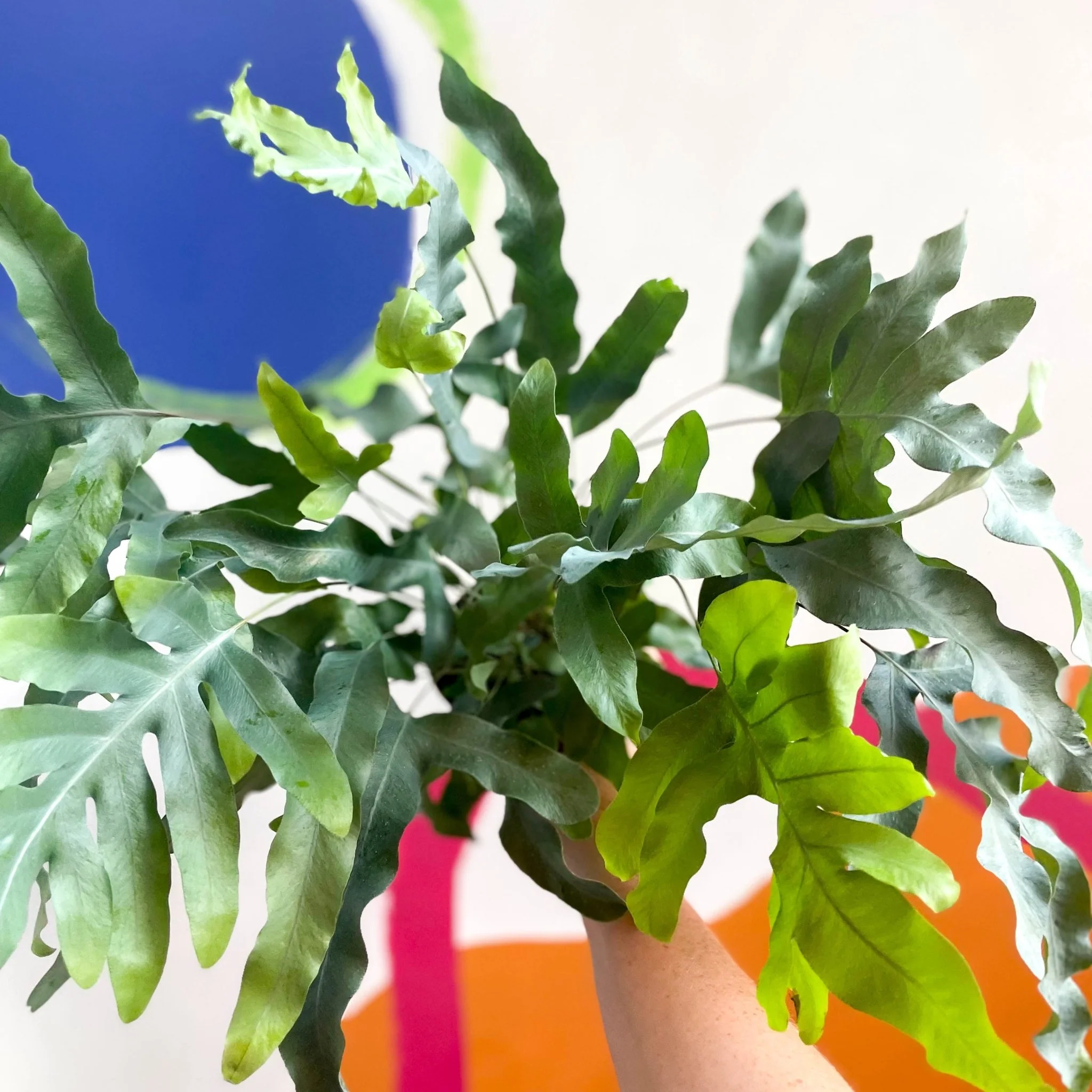
Low-growing and full of character, Cryptanthus zonatus is all about striking foliage. Its wavy, star-shaped rosette is patterned with silvery bands across deep green or bronze-toned leaves, giving it a slightly wild, almost reptile-like texture. Unlike many bromeliads, this one stays compact and terrestrial, making it perfect for terrariums, small pots, or adding interest to plant shelves.
Scientific Name
Cryptanthus zonatus (banded hidden flower)
Common Name
Earth Star
Origin
Native to eastern Brazil, typically found growing on the forest floor in warm, humid environments
Light
Prefers bright, indirect light to maintain its bold patterning. It can tolerate lower light, but colours may dull. Avoid direct sun, which can scorch the leaves
Water
Keep the soil lightly moist but never soggy. Allow the top layer of soil to dry slightly between waterings. Reduce watering in winter when growth slows
Humidity
Thrives in higher humidity, making it ideal for bathrooms or terrariums. In drier homes, mist regularly or place near a humidifier to prevent leaf edges from crisping
Soil
Use a free-draining mix with good moisture retention, such as houseplant compost with added bark or perlite. As a terrestrial bromeliad, it prefers soil rather than being mounted
Food
Feed lightly once a month during spring and summer with a diluted liquid fertiliser. Avoid overfeeding, as it is not a heavy feeder
Temperature
Prefers temperatures between 18–26°C. Avoid temperatures below 12°C and keep away from cold draughts
Pet-safe
Generally considered non-toxic, though it is best to keep out of reach of pets to avoid any irritation from chewing
Sprouts Top Tips
If the leaves start to lose their pattern or become washed out, it usually means the plant needs a brighter spot. Keep humidity up as well to maintain that lush, healthy look
Extras
After flowering, the main plant will slowly decline but produces offsets around the base, which can be separated and grown on
Did You Know?
The name Cryptanthus means “hidden flower,” as the plant’s small blooms sit low in the centre of the rosette and are often tucked away beneath the foliage
Product Information
Product Information
Shipping & Returns
Shipping & Returns
Description
Low-growing and full of character, Cryptanthus zonatus is all about striking foliage. Its wavy, star-shaped rosette is patterned with silvery bands across deep green or bronze-toned leaves, giving it a slightly wild, almost reptile-like texture. Unlike many bromeliads, this one stays compact and terrestrial, making it perfect for terrariums, small pots, or adding interest to plant shelves.
Scientific Name
Cryptanthus zonatus (banded hidden flower)
Common Name
Earth Star
Origin
Native to eastern Brazil, typically found growing on the forest floor in warm, humid environments
Light
Prefers bright, indirect light to maintain its bold patterning. It can tolerate lower light, but colours may dull. Avoid direct sun, which can scorch the leaves
Water
Keep the soil lightly moist but never soggy. Allow the top layer of soil to dry slightly between waterings. Reduce watering in winter when growth slows
Humidity
Thrives in higher humidity, making it ideal for bathrooms or terrariums. In drier homes, mist regularly or place near a humidifier to prevent leaf edges from crisping
Soil
Use a free-draining mix with good moisture retention, such as houseplant compost with added bark or perlite. As a terrestrial bromeliad, it prefers soil rather than being mounted
Food
Feed lightly once a month during spring and summer with a diluted liquid fertiliser. Avoid overfeeding, as it is not a heavy feeder
Temperature
Prefers temperatures between 18–26°C. Avoid temperatures below 12°C and keep away from cold draughts
Pet-safe
Generally considered non-toxic, though it is best to keep out of reach of pets to avoid any irritation from chewing
Sprouts Top Tips
If the leaves start to lose their pattern or become washed out, it usually means the plant needs a brighter spot. Keep humidity up as well to maintain that lush, healthy look
Extras
After flowering, the main plant will slowly decline but produces offsets around the base, which can be separated and grown on
Did You Know?
The name Cryptanthus means “hidden flower,” as the plant’s small blooms sit low in the centre of the rosette and are often tucked away beneath the foliage