Cryptanthus bivittatus ‘Elaine’ – Earth Star
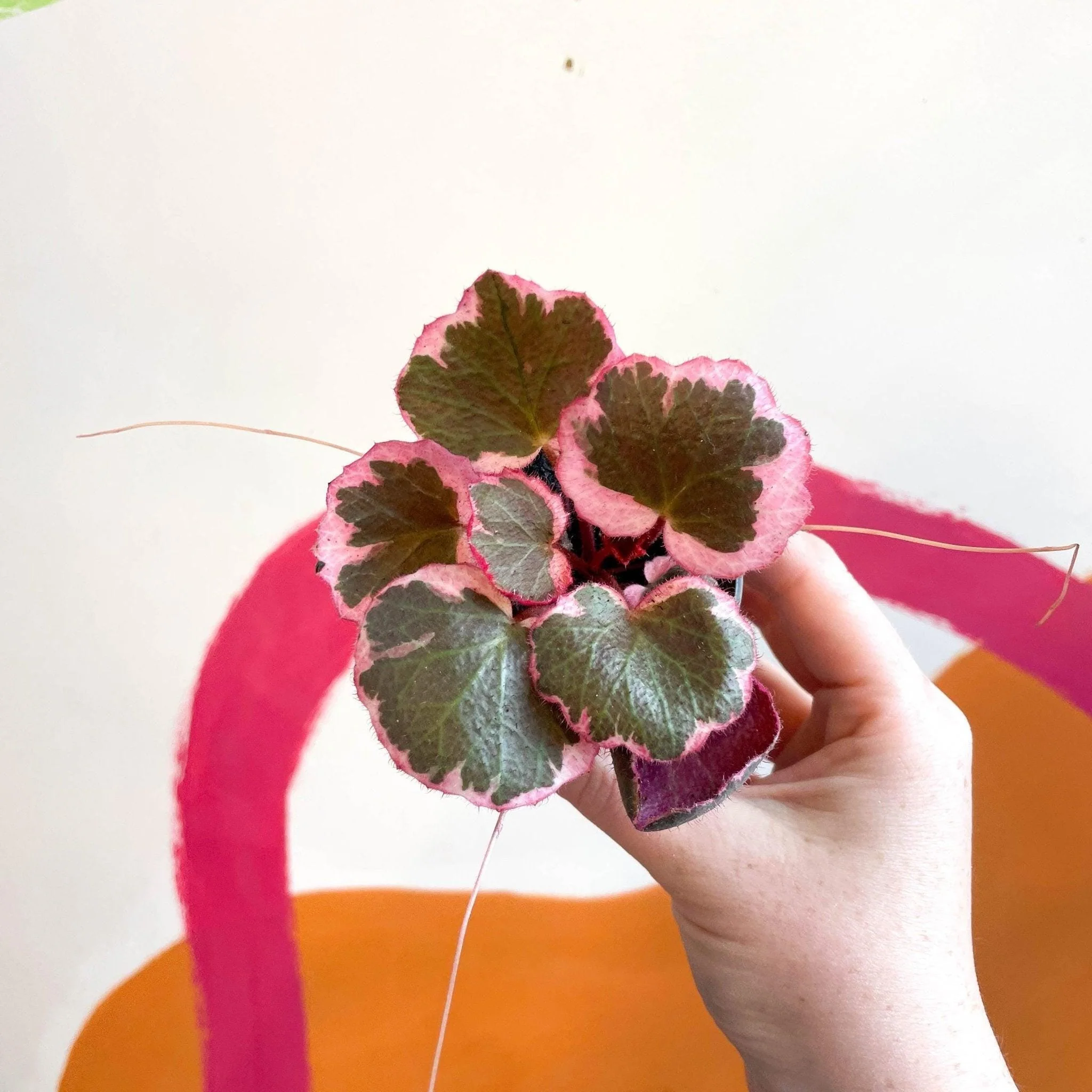
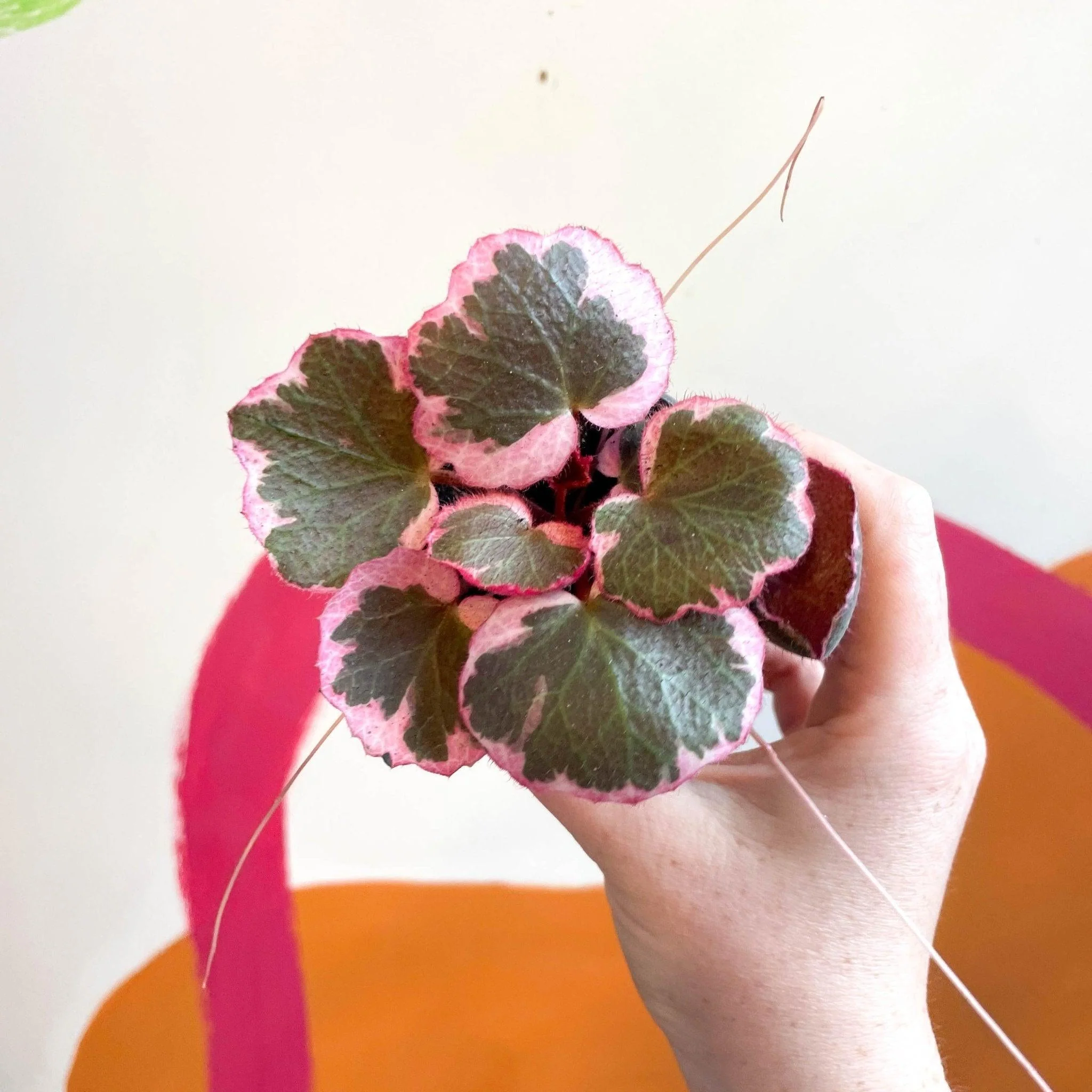
A vibrant, low-growing bromeliad that brings a punch of colour to any space, ‘Elaine’ forms a star-shaped rosette of rippling leaves flushed with stripes of rich pinks, reds, purple and green. Its compact size and bold colouring make it ideal for terrariums, small pots, or adding contrast to a plant display.
Scientific Name
Cryptanthus bivittatus ‘Elaine’ (two-striped hidden flower)
Common Name
Earth Star
Origin
Derived from Cryptanthus bivittatus, native to eastern Brazil, where it grows along the forest floor in warm, humid conditions
Light
Prefers bright, indirect light to maintain its vivid pink and red tones. In lower light, colours may fade. Avoid direct sun, which can scorch the leaves
Water
Keep the soil lightly moist but not waterlogged. Allow the top layer of soil to dry slightly between waterings. Reduce watering in winter when growth slows
Humidity
Thrives in higher humidity, making it well-suited to bathrooms or terrariums. In drier homes, mist regularly or place near a humidifier to prevent crisping leaf edges
Soil
Use a well-draining mix that still retains some moisture, such as houseplant compost with added bark or perlite. As a terrestrial bromeliad, it prefers to be grown in soil
Food
Feed lightly once a month during spring and summer with a diluted liquid fertiliser. Avoid overfeeding
Temperature
Prefers temperatures between 18–26°C. Avoid temperatures below 12°C and keep away from cold draughts
Pet-safe
Generally considered non-toxic, though best kept out of reach of pets to avoid any irritation from chewing
Sprouts Top Tips
To keep those rich strawberry tones, place it somewhere bright and keep humidity consistent. Faded colour is usually a sign it needs more light
Extras
After flowering, the main plant will gradually decline but produces offsets around the base, which can be separated and grown into new plants
Did You Know?
Unlike many bromeliads that grow on trees, Cryptanthus species are terrestrial, meaning they naturally grow in soil on the forest floor
Product Information
Product Information
Shipping & Returns
Shipping & Returns
Description
A vibrant, low-growing bromeliad that brings a punch of colour to any space, ‘Elaine’ forms a star-shaped rosette of rippling leaves flushed with stripes of rich pinks, reds, purple and green. Its compact size and bold colouring make it ideal for terrariums, small pots, or adding contrast to a plant display.
Scientific Name
Cryptanthus bivittatus ‘Elaine’ (two-striped hidden flower)
Common Name
Earth Star
Origin
Derived from Cryptanthus bivittatus, native to eastern Brazil, where it grows along the forest floor in warm, humid conditions
Light
Prefers bright, indirect light to maintain its vivid pink and red tones. In lower light, colours may fade. Avoid direct sun, which can scorch the leaves
Water
Keep the soil lightly moist but not waterlogged. Allow the top layer of soil to dry slightly between waterings. Reduce watering in winter when growth slows
Humidity
Thrives in higher humidity, making it well-suited to bathrooms or terrariums. In drier homes, mist regularly or place near a humidifier to prevent crisping leaf edges
Soil
Use a well-draining mix that still retains some moisture, such as houseplant compost with added bark or perlite. As a terrestrial bromeliad, it prefers to be grown in soil
Food
Feed lightly once a month during spring and summer with a diluted liquid fertiliser. Avoid overfeeding
Temperature
Prefers temperatures between 18–26°C. Avoid temperatures below 12°C and keep away from cold draughts
Pet-safe
Generally considered non-toxic, though best kept out of reach of pets to avoid any irritation from chewing
Sprouts Top Tips
To keep those rich strawberry tones, place it somewhere bright and keep humidity consistent. Faded colour is usually a sign it needs more light
Extras
After flowering, the main plant will gradually decline but produces offsets around the base, which can be separated and grown into new plants
Did You Know?
Unlike many bromeliads that grow on trees, Cryptanthus species are terrestrial, meaning they naturally grow in soil on the forest floor