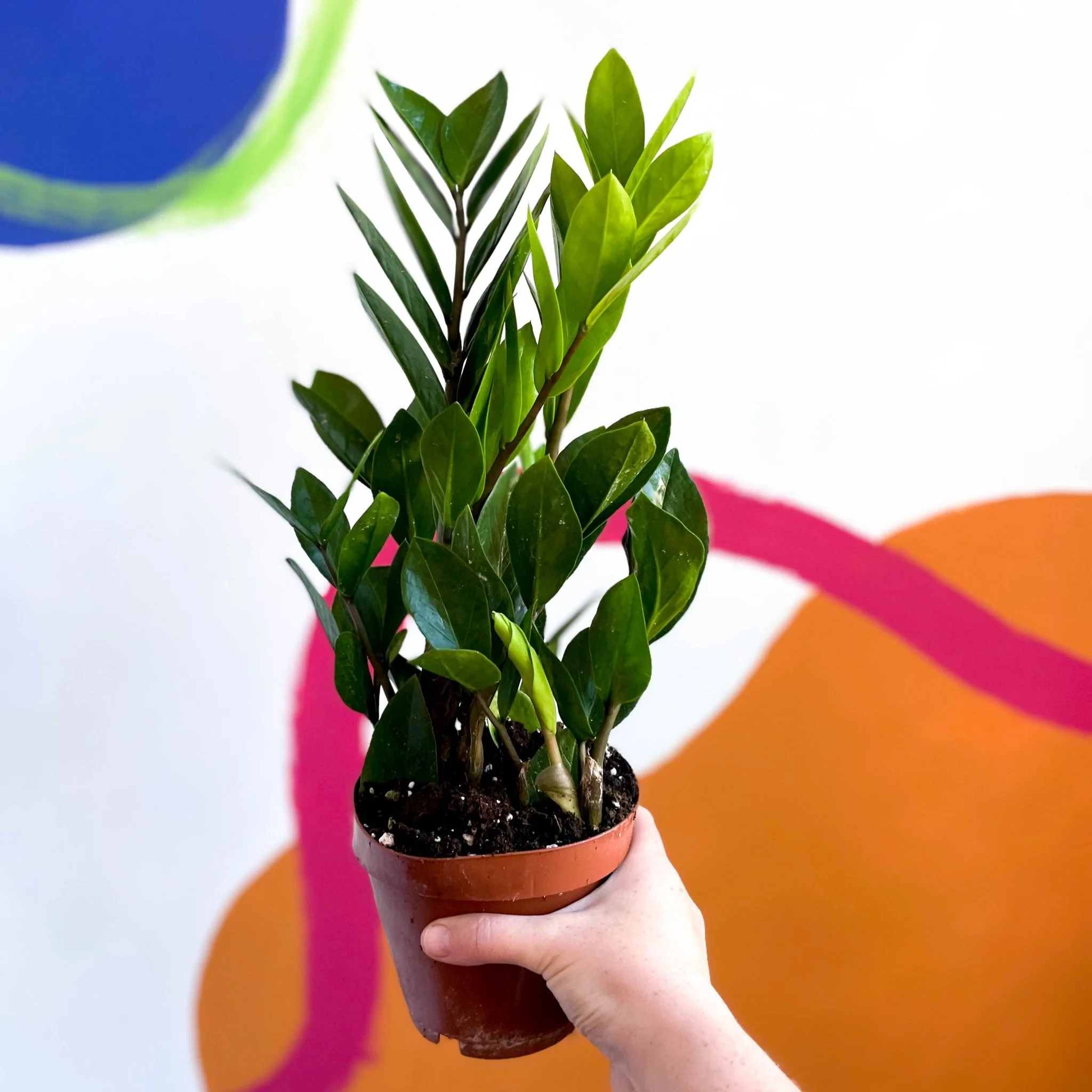
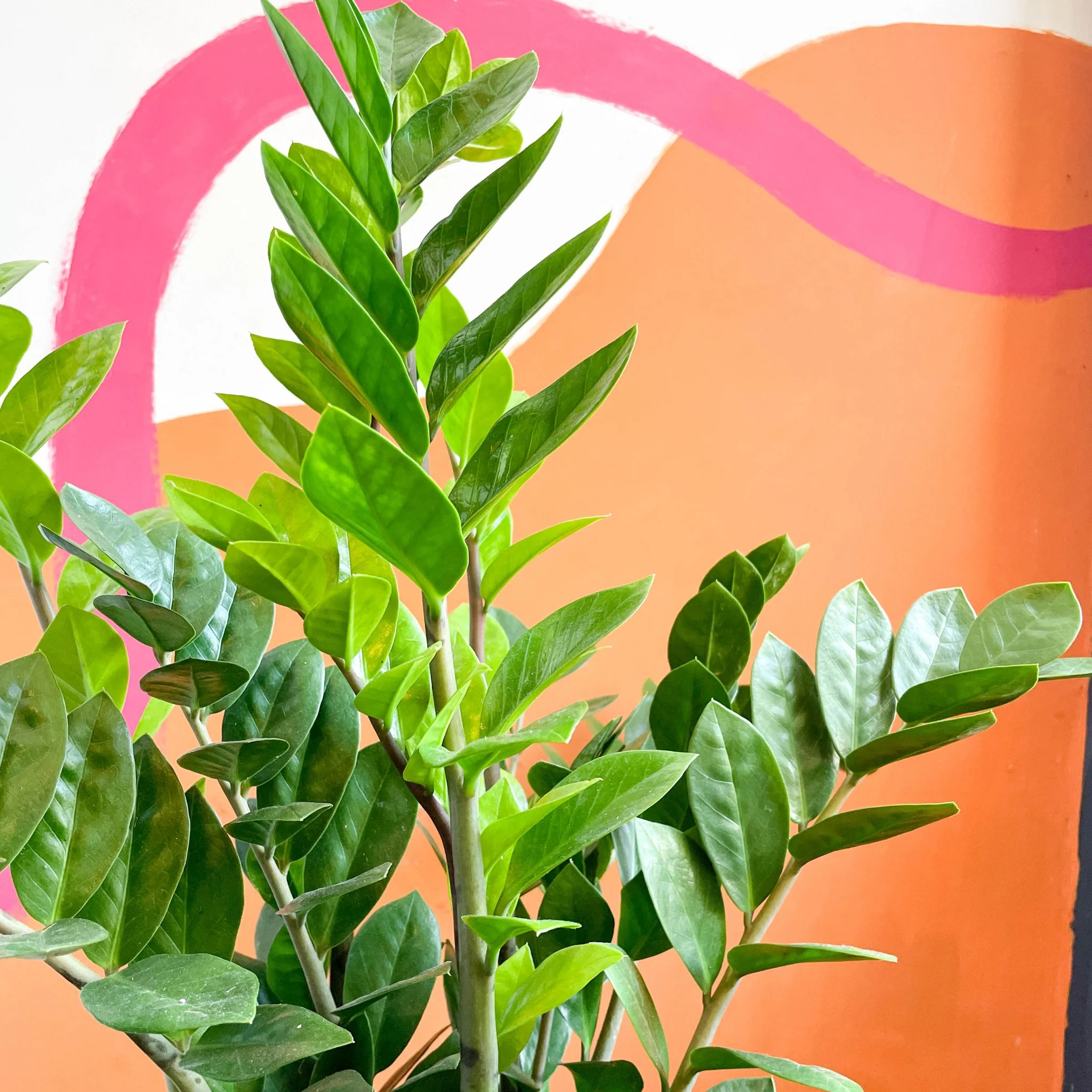
Carludovica palmata – Panama Hat Plant
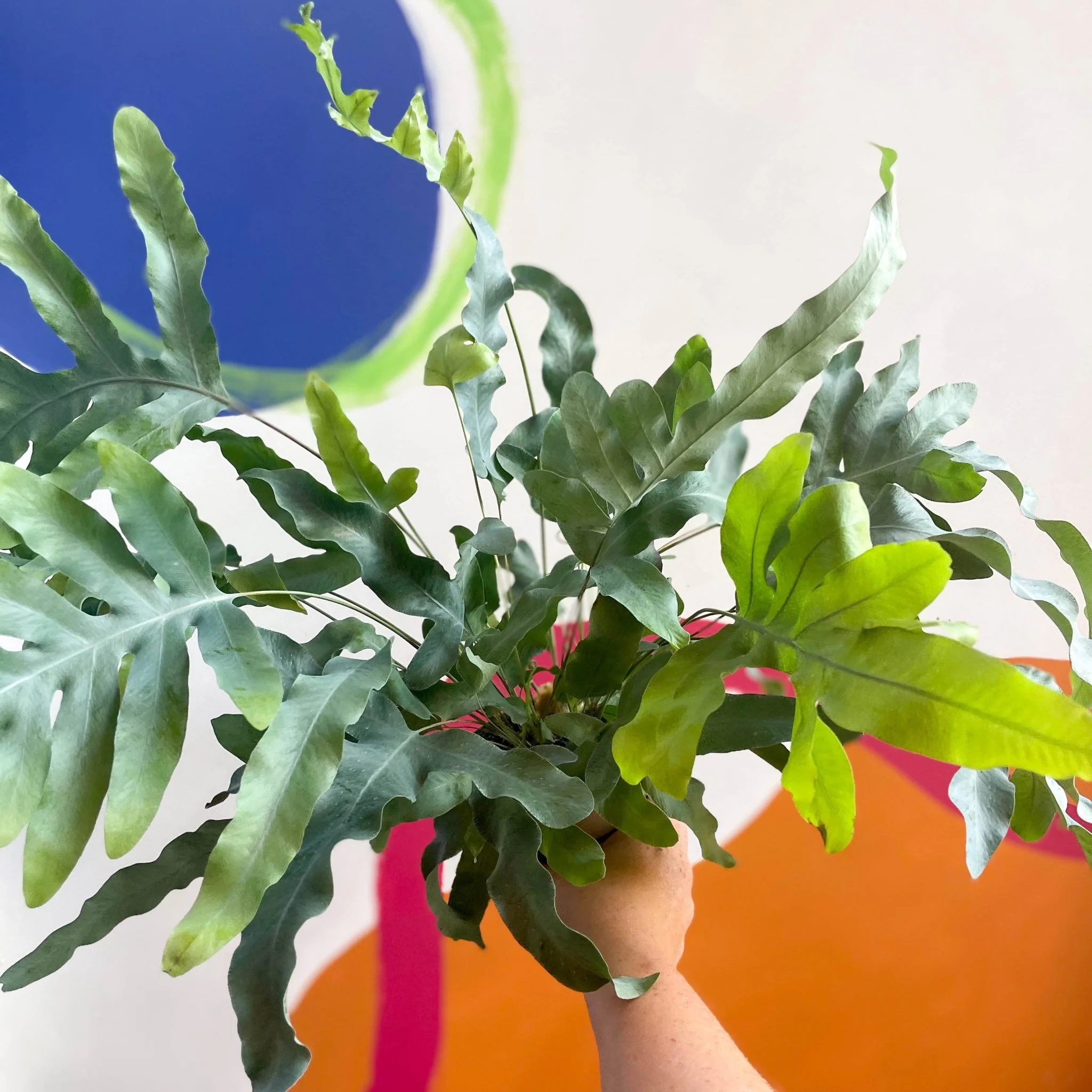
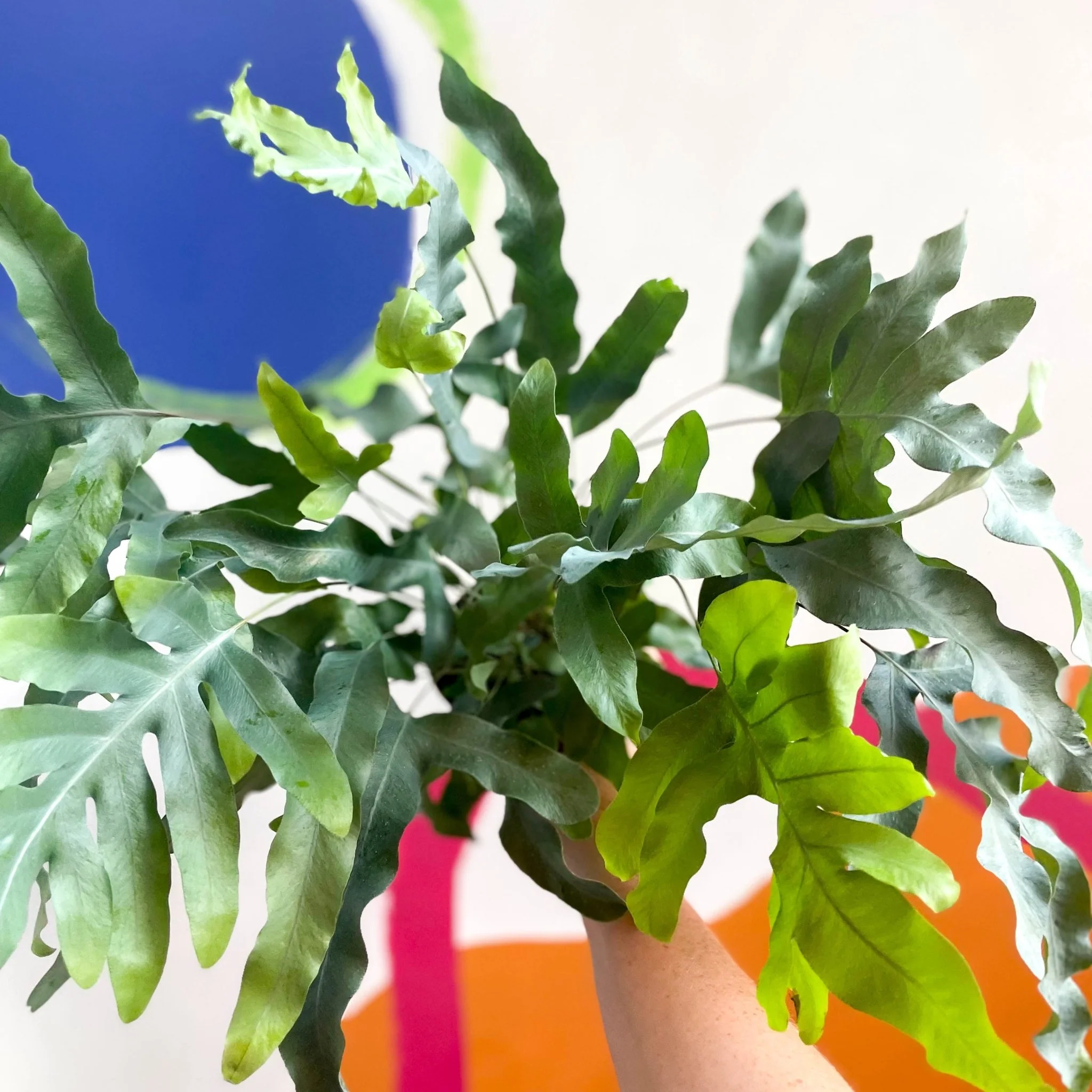
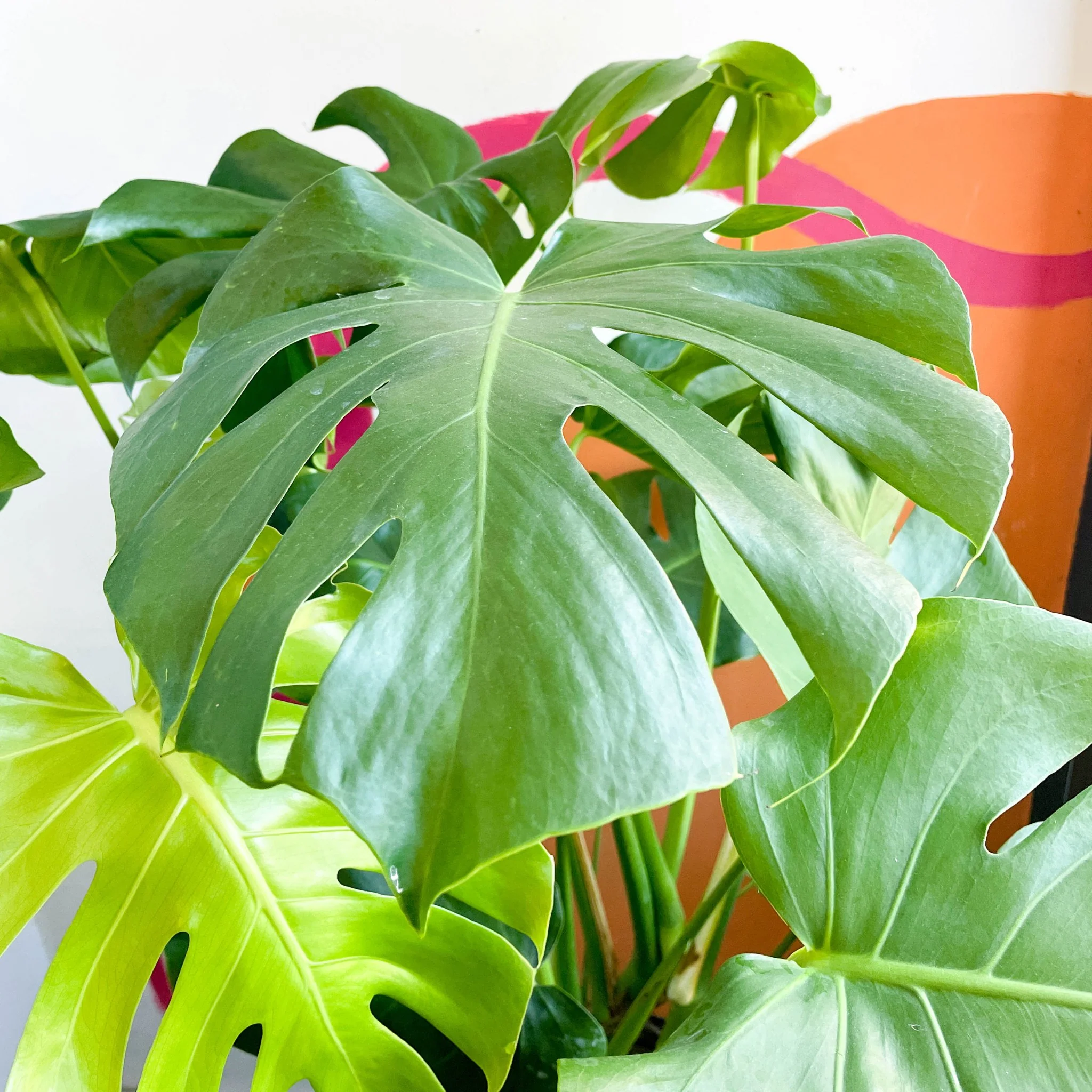
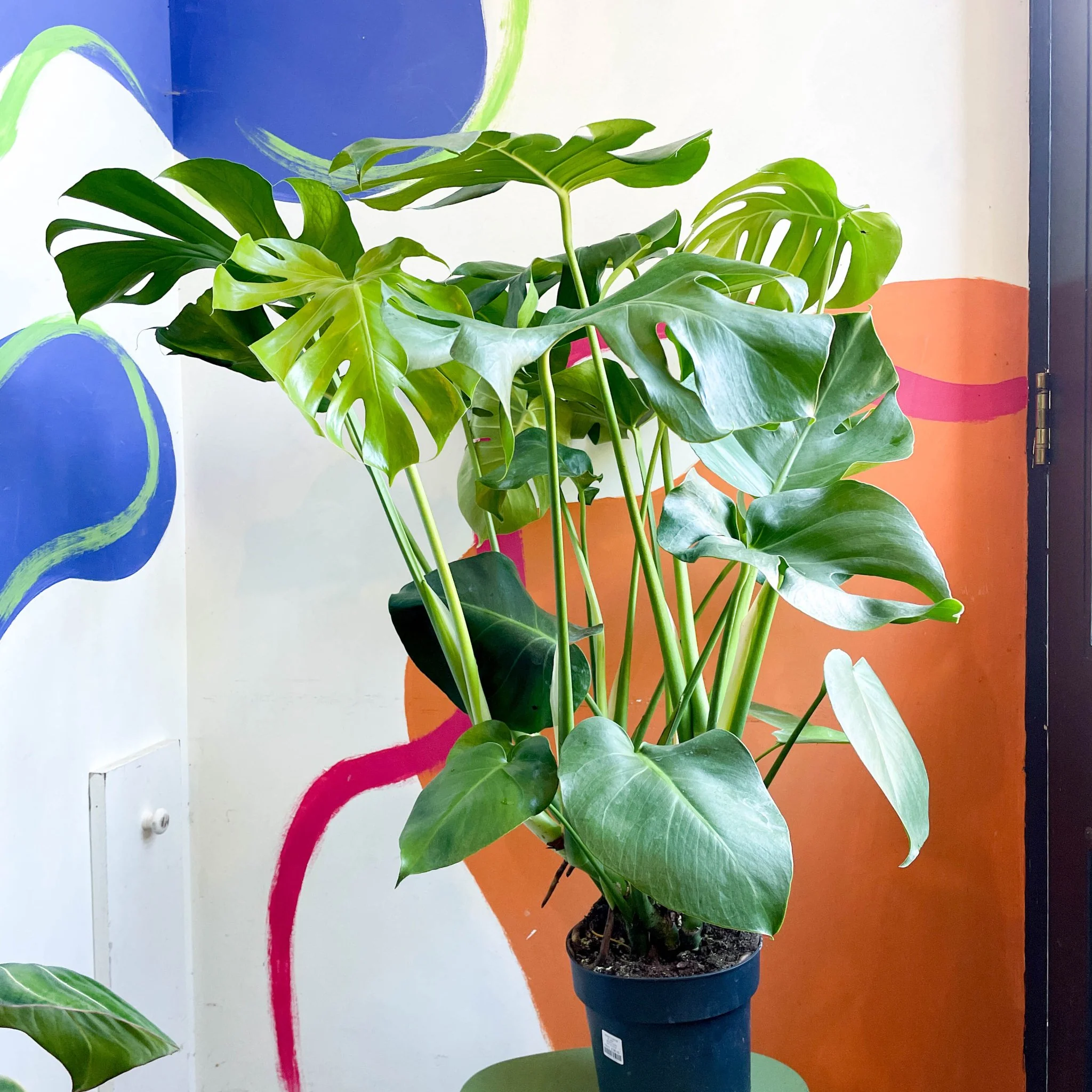
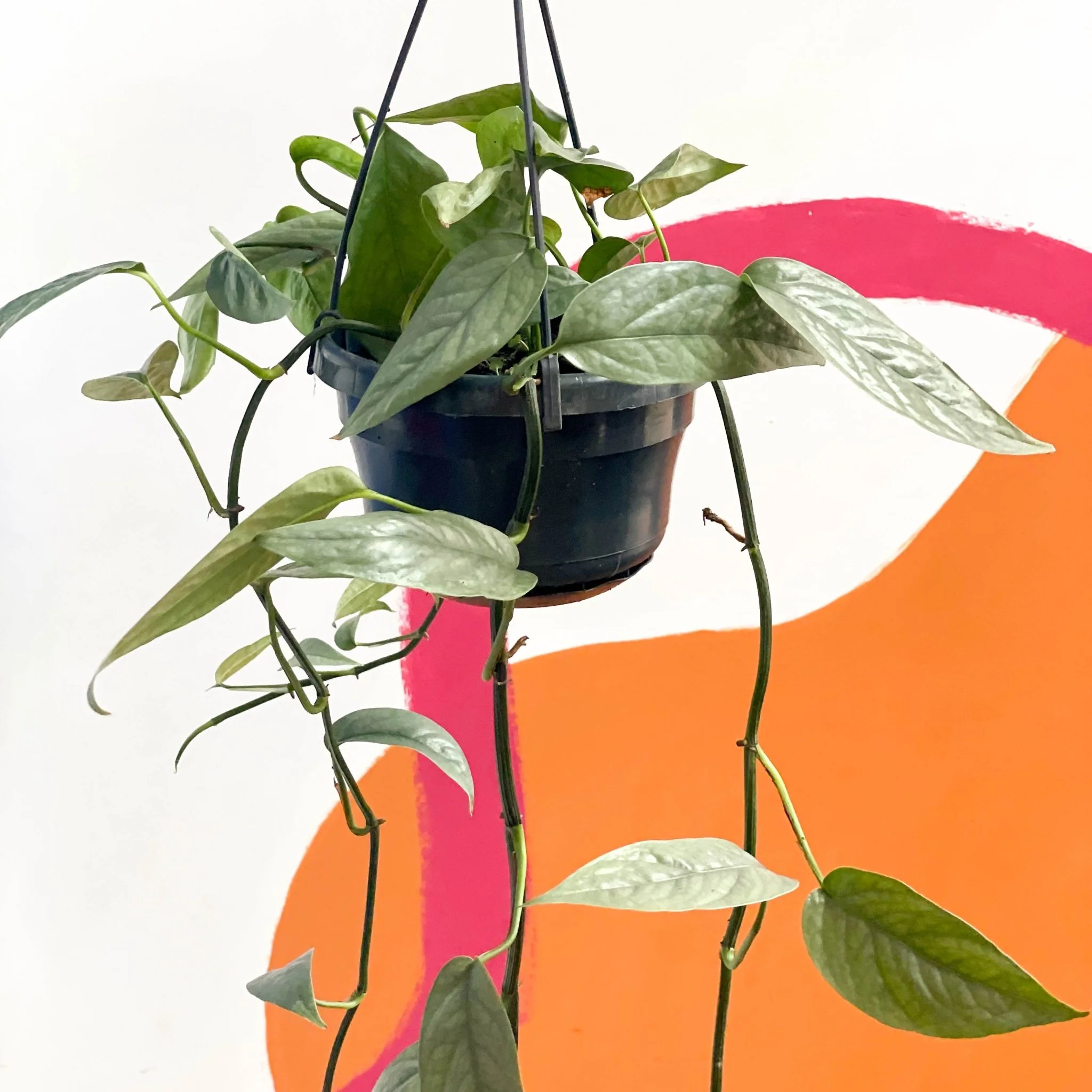
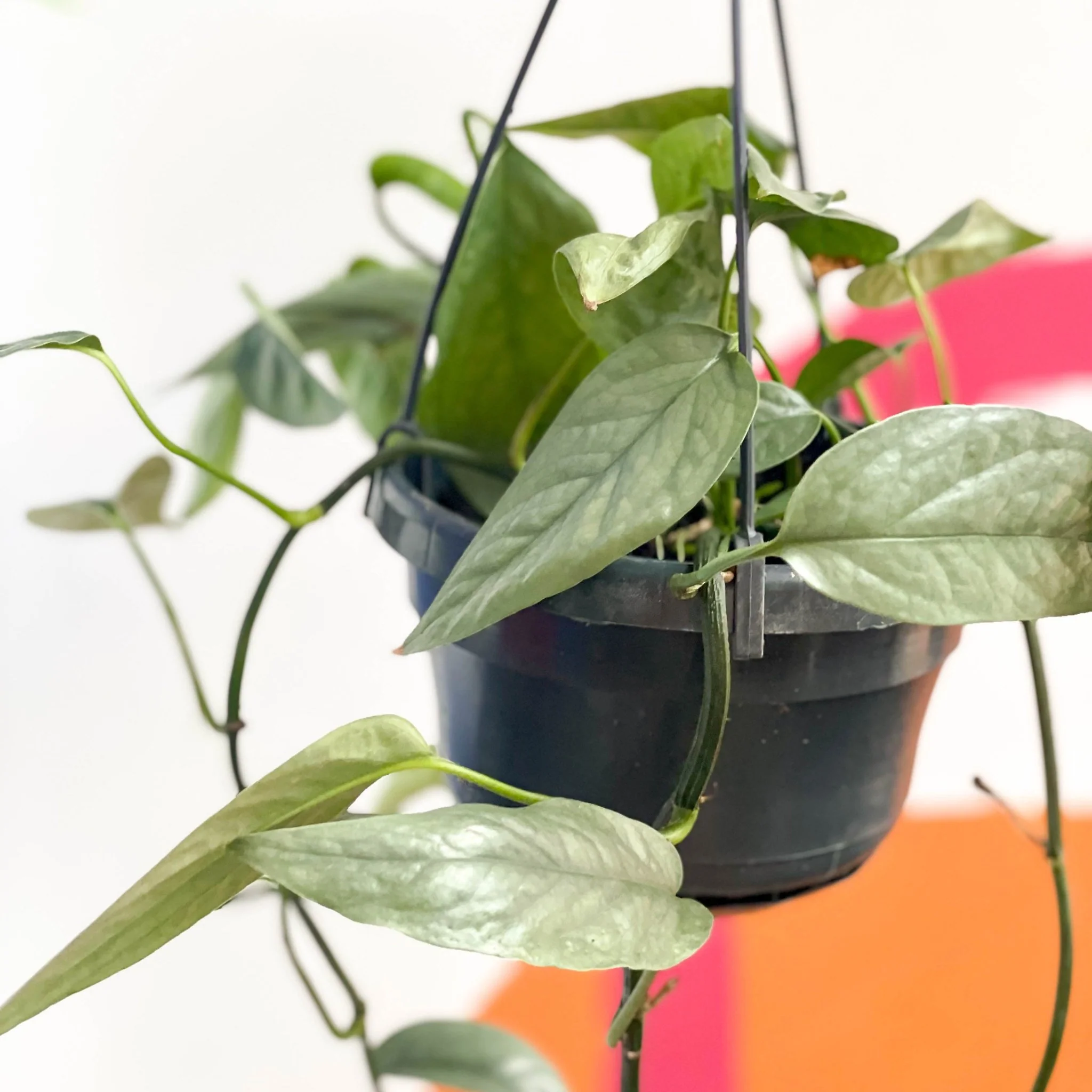
With lush, fan-like leaves that look almost palm-like, Carludovica palmata brings a soft, tropical feel to indoor spaces. Despite its appearance, it is not actually a true palm but a member of a different plant family altogether. Its elegant foliage and upright growth make it a beautiful, architectural addition to brighter rooms.
Scientific Name
Carludovica palmata (palm-like Carludovica)
Common Name
Panama Hat Plant, Toquilla Palm
Origin
Native to tropical regions of Central and South America, including Panama, Ecuador, and Colombia, where it grows in warm, humid forests
Light
Prefers bright, indirect light. It can tolerate some lower light, but growth may slow and leaves may become less full. Avoid strong direct sun, which can scorch the foliage
Water
Keep the soil consistently lightly moist, allowing the top layer to dry slightly between waterings. Do not let it sit in water, but avoid letting it dry out completely
Humidity
Thrives in higher humidity. Regular misting, a pebble tray, or placing near a humidifier will help keep the leaves looking lush and prevent browning edges
Soil
Use a rich, well-draining houseplant compost with added organic matter such as bark or coir to retain moisture while allowing excess water to drain
Food
Feed every 2 to 4 weeks during the growing season with a balanced liquid fertiliser. Reduce feeding in autumn and winter
Temperature
Prefers temperatures between 18–27°C. Avoid temperatures below 12°C and keep away from cold draughts
Pet-safe
Generally considered non-toxic, but best kept out of reach of pets as a precaution
Sprouts Top Tips
If the leaf edges start to brown or crisp, it is usually a sign of low humidity or inconsistent watering. Keep conditions steady and humid for best results
Extras
This plant is prized for its fibres, which are traditionally used to make Panama hats, particularly in Ecuador
Did You Know?
Despite the name, Panama hats are actually made in Ecuador using the fibres of Carludovica palmata, not in Panama and not from a true palm
Original: $150.22
-65%$150.22
$52.58Product Information
Product Information
Shipping & Returns
Shipping & Returns
Description
With lush, fan-like leaves that look almost palm-like, Carludovica palmata brings a soft, tropical feel to indoor spaces. Despite its appearance, it is not actually a true palm but a member of a different plant family altogether. Its elegant foliage and upright growth make it a beautiful, architectural addition to brighter rooms.
Scientific Name
Carludovica palmata (palm-like Carludovica)
Common Name
Panama Hat Plant, Toquilla Palm
Origin
Native to tropical regions of Central and South America, including Panama, Ecuador, and Colombia, where it grows in warm, humid forests
Light
Prefers bright, indirect light. It can tolerate some lower light, but growth may slow and leaves may become less full. Avoid strong direct sun, which can scorch the foliage
Water
Keep the soil consistently lightly moist, allowing the top layer to dry slightly between waterings. Do not let it sit in water, but avoid letting it dry out completely
Humidity
Thrives in higher humidity. Regular misting, a pebble tray, or placing near a humidifier will help keep the leaves looking lush and prevent browning edges
Soil
Use a rich, well-draining houseplant compost with added organic matter such as bark or coir to retain moisture while allowing excess water to drain
Food
Feed every 2 to 4 weeks during the growing season with a balanced liquid fertiliser. Reduce feeding in autumn and winter
Temperature
Prefers temperatures between 18–27°C. Avoid temperatures below 12°C and keep away from cold draughts
Pet-safe
Generally considered non-toxic, but best kept out of reach of pets as a precaution
Sprouts Top Tips
If the leaf edges start to brown or crisp, it is usually a sign of low humidity or inconsistent watering. Keep conditions steady and humid for best results
Extras
This plant is prized for its fibres, which are traditionally used to make Panama hats, particularly in Ecuador
Did You Know?
Despite the name, Panama hats are actually made in Ecuador using the fibres of Carludovica palmata, not in Panama and not from a true palm